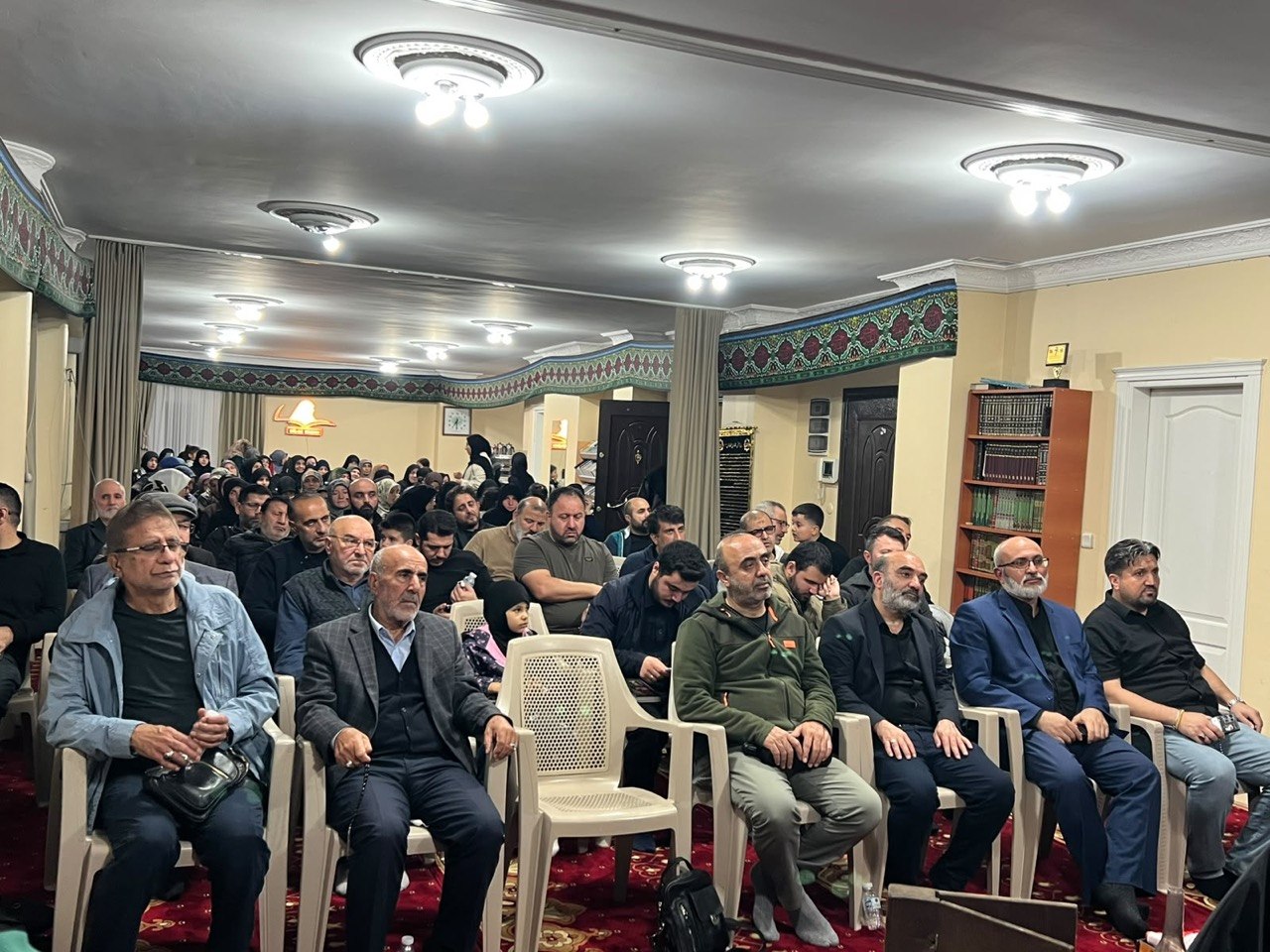
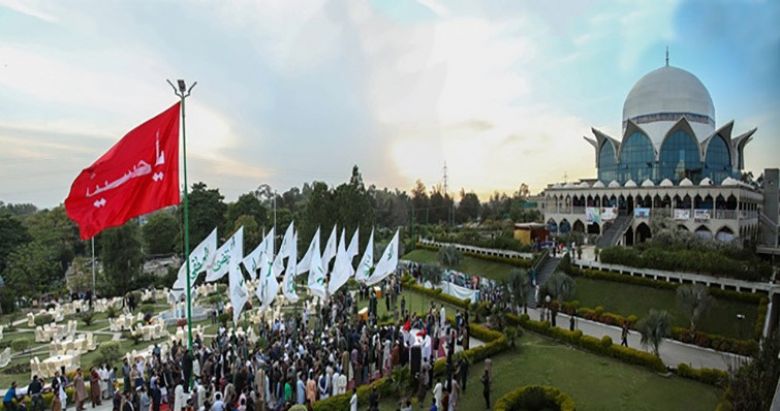
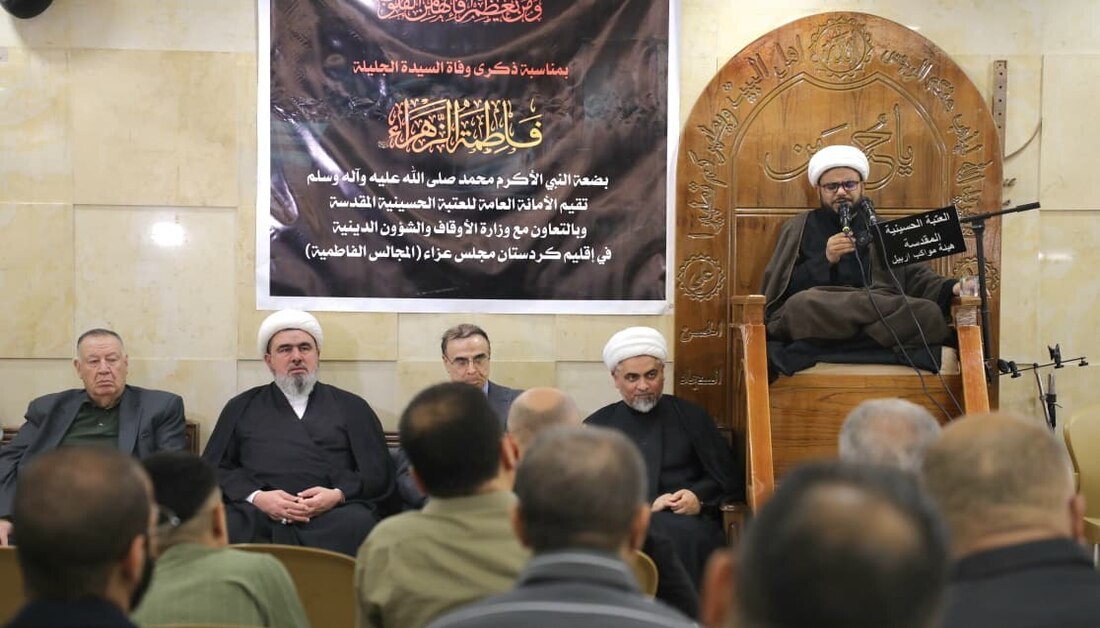
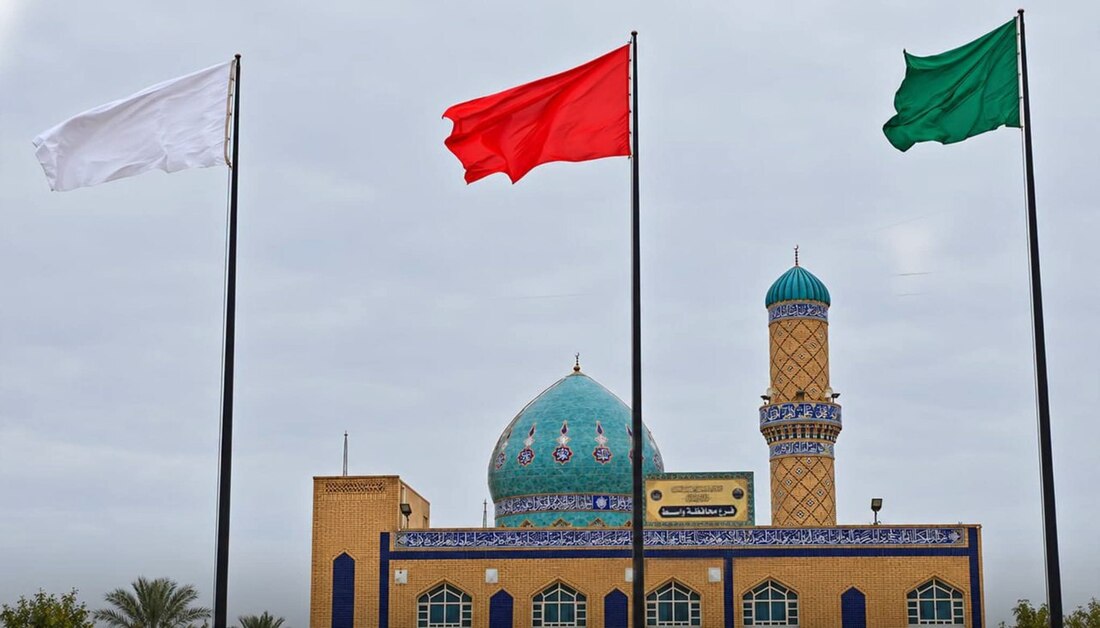
Fatimid Days commemorated in Istanbul, Türkiye
Makkah Museum showcases rare 17th- and 19th-century Quran manuscripts in expanding heritage exhibition
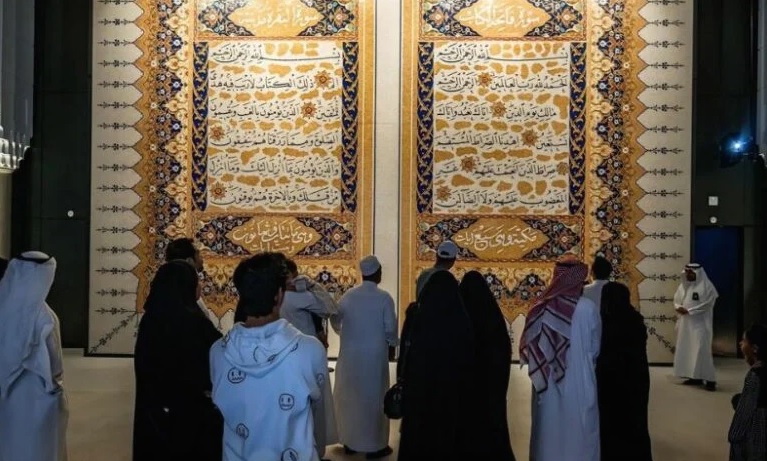
The Holy Quran Museum in Makkah’s Hira Cultural District is currently exhibiting rare historical manuscripts alongside large-scale artistic reproductions of the Quran, highlighting the evolution of Islamic calligraphy over the centuries.
Among the featured exhibits is a monumental mosaic panel spanning 76.67 square meters, inspired by a 1656 manuscript by Ottoman-era calligrapher Mustafa Dhul-Fiqar. The piece reproduces Surah Al-Fatiha in full, along with the opening verses of Surah Al-Baqarah, and is composed of more than one million porcelain mosaic pieces. The original manuscript is preserved at the King Abdulaziz Complex for Endowment Libraries in Madinah.
The museum also features a rare 19th-century Quran manuscript produced in India, distinguished by its octagonal design and compact, portable format. This work reflects a blend of artistic precision and functional design, illustrating regional diversity in Quranic manuscript traditions.
Officials noted that the exhibition aims to highlight the historical development of Quranic calligraphy and manuscript arts, while reinforcing the museum’s cultural and educational role within the Hira Cultural District.
The Quran Museum, which has recently expanded its collection of rare manuscripts and interactive displays, continues to establish itself as a prominent cultural and tourism destination in Makkah, showcasing the rich global heritage of Quranic writing and preservation.