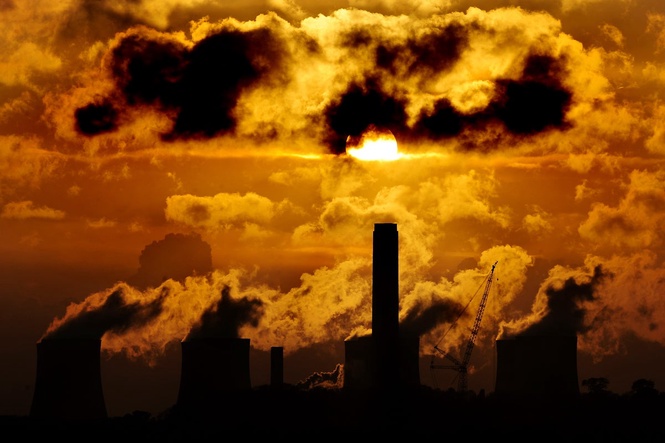
UN warns global temperatures could rise by 2.8°C by 2100
Iraqi Ministry of Environment stresses improving fuel quality to reduce emissions
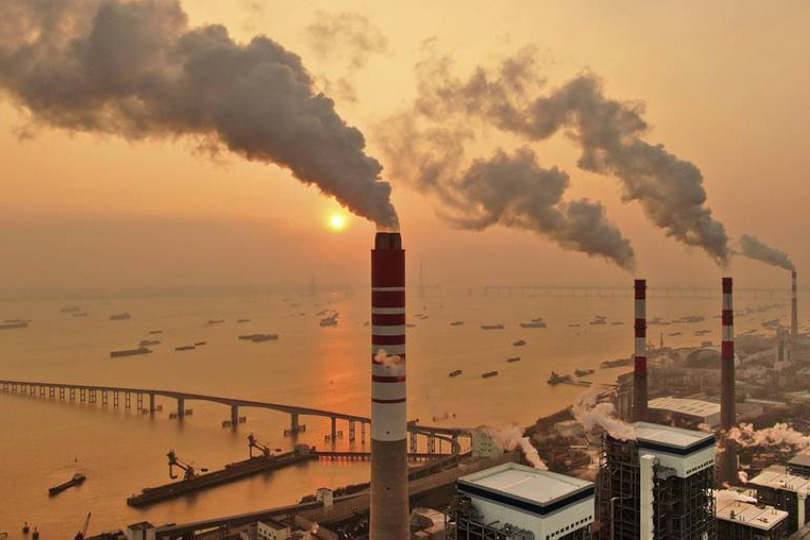
On Saturday, the Ministry of Environment underscored the importance of upgrading fuel quality and reducing reliance on heavy fuel oil in order to curb harmful emissions. The ministry clarified that while decisions regarding fuel enhancement and the use of additives or catalysts fall under the jurisdiction of the Ministry of Oil, its own role is to assess the environmental impacts of such measures.
Ministry spokesperson Luay Al-Mukhtar stated that improving fuel quality is an environmental necessity. He noted that heavy fuel oils are difficult to burn efficiently, require advanced combustion technologies, and generate low-quality byproducts with high sulfur content. Reducing dependence on these fuels, he said, would significantly mitigate pollution levels.
Al-Mukhtar explained that refinery byproducts can instead be processed into lighter petroleum derivatives such as gasoline and kerosene, which are more widely used and generally less harmful in terms of emissions.
He added that certain additives and catalysts may be introduced to enhance combustion efficiency in internal combustion engines, boilers, and industrial furnaces. However, he emphasized that each facility—particularly power plants and large-scale boilers—operates according to specific fuel standards and technical requirements.
While improvements in fuel specifications may be necessary to reduce environmental damage, Al-Mukhtar reiterated that technical decisions regarding fuel composition, usage ratios, and combustion efficiency are the responsibility of the Ministry of Oil. The Ministry of Environment’s role, he said, is to evaluate the environmental safety of any proposed additives and determine whether they pose ecological risks or require precautionary measures to mitigate potential harm.
Latest News