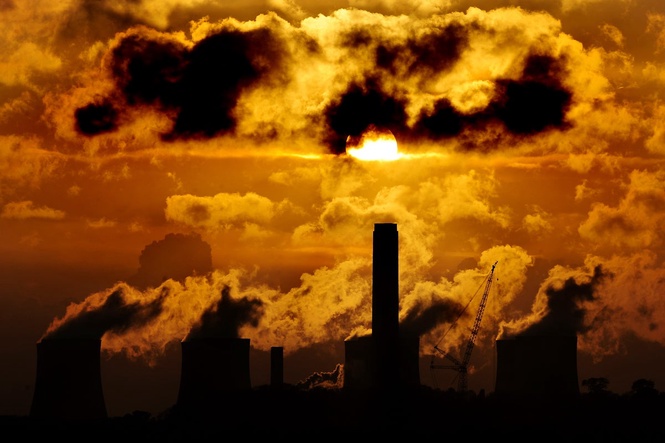
UN warns global temperatures could rise by 2.8°C by 2100
The Development Road: A strategic bet to reposition Iraq in the global economy and build a post-oil future
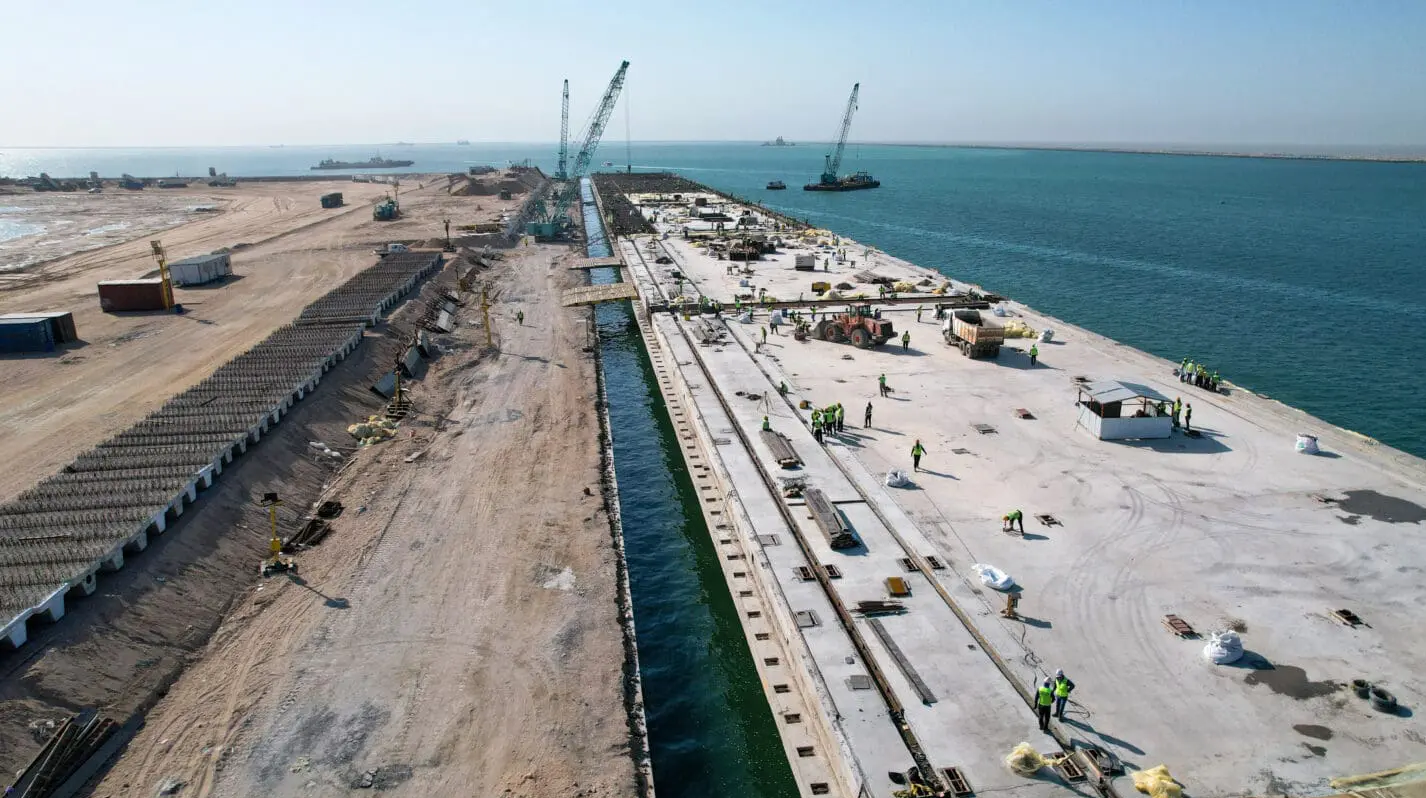
At a pivotal moment in its economic history, Iraq is preparing in 2026 to reap the first tangible results of one of its most ambitious contemporary strategic initiatives: the Development Road project. Linking the Grand Faw Port on the Arabian Gulf to the Turkish border and onward to Europe, the project is far more than a transport corridor or a rail line for goods. It represents a comprehensive reimagining of Iraq’s role in the regional and global economy, a serious effort to break the cycle of near-total dependence on oil exports, and a gateway toward a more diversified and sustainable economic model.
Amid rapid shifts in global supply chains and growing competition over alternative trade routes, Iraq is positioning itself through this project as a central player in economic geography—reclaiming its historic role as a bridge between East and West.
A Foundational Starting Point
The Grand Faw Port is the beating heart and principal starting point of the Development Road. It serves as the maritime gateway from which this transformation begins. With the first five berths scheduled to enter trial operations in 2026, the project is moving decisively from planning to implementation.
The port features exceptional engineering and logistical specifications that qualify it as a future regional hub. Its depth of approximately 19.8 meters allows it to receive the world’s largest container ships—an advantage unmatched by most ports in the region. It also includes the submerged Silk Tunnel beneath the Khor Al-Zubair waterway, a sophisticated engineering achievement that enables the seamless movement of trucks and goods between the port and the mainland without disrupting maritime traffic. In addition, the port is protected by the world’s longest breakwater, ensuring operational continuity under diverse weather conditions.
From Al-Faw, the Development Road extends roughly 1,200 kilometers across eleven Iraqi governorates to the Turkish border, forming what is known as the “Dry Canal.” This corridor relies on an integrated transport system consisting of two main components. The first is a double-track railway network built to modern standards, designed to accommodate freight trains traveling at speeds of up to 120 kilometers per hour and high-speed passenger trains reaching 300 kilometers per hour. According to the latest available data, more than 85 percent of the engineering and interactive design work has already been completed.
The second component is an international highway running parallel to the railway, dedicated to heavy trucks and equipped with smart traffic-management technologies and digital monitoring systems to ensure safe and efficient cargo movement. The project’s most compelling competitive advantage lies in its ability to cut shipping times between Asia and Europe by approximately 15 to 20 days compared with the Suez Canal route—offering global shipping companies substantial savings in both time and cost and potentially reshaping global trade patterns.
Real Economic Value
While investments in the Development Road exceed $17 billion, its true value lies in the sustainable returns it promises for the Iraqi economy. Estimates suggest the project could generate more than $4 billion annually in direct revenues from transit fees, logistics services, and port operations, effectively creating a “new oil” stream less vulnerable to global price volatility.
The project is also expected to boost non-oil GDP by 15 to 18 percent over the next decade, according to projections by international financial and development institutions. More importantly, it serves as a cornerstone of economic diversification by stimulating the establishment of up to ten economic cities, industrial zones, and free-trade areas along its route. In doing so, Iraq would shift from being merely a transit country to becoming a regional hub for manufacturing, warehousing, and re-export.
A Strategic Social Opportunity
On the social level, the Development Road offers a strategic opportunity to address one of Iraq’s most pressing challenges: youth unemployment. In its initial phases, the project is expected to create more than 100,000 direct jobs in engineering, transportation, port operations, and communications, in addition to thousands of indirect employment opportunities.
Its reliance on automation, digitalization, and intelligent transport systems opens new pathways for young Iraqi professionals in fields such as programming, data analysis, and artificial intelligence. At the same time, the domestic private sector is likely to experience significant growth through the emergence of thousands of small and medium-sized enterprises along the corridor, spanning services such as hospitality, maintenance, transportation, and logistics-related tourism.
Conclusion
The success of the Development Road in 2026 and beyond will depend on several key factors, foremost among them security stability, sustained political commitment, and the formation of balanced international partnerships based on mutual interests. What remains clear, however, according to international and development organizations, is that the project has the potential to restore Iraq’s historic role as a crossroads of civilizations and a central node in global trade.
Ultimately, the Development Road is not simply an infrastructure project. It is a national vision—one that seeks to transform geography from a political burden into an economic opportunity, and to turn a history shaped by crises into a future written along railway lines and international trade maps.
Latest News