الأنبار تعلن الاستنفار لمواجهة موجة المياه القادمة من سوريا
Tourism Authority: Tourist facilities of all types witness continuous development
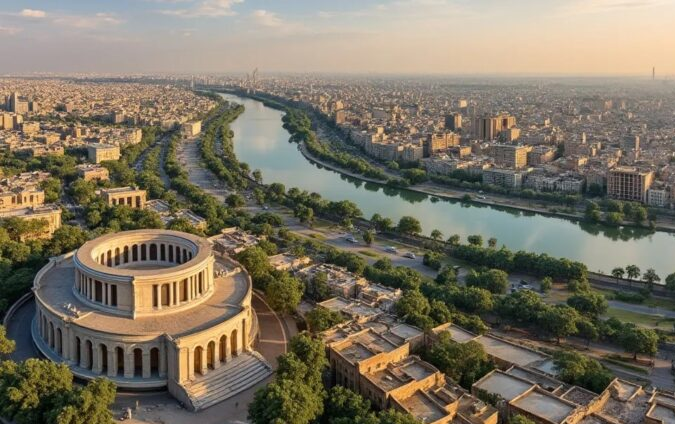
Ali Yassin Abdul Ridha, Director of Relations and Media and spokesperson for the Tourism Authority, announced on Sunday that the Authority has begun, in cooperation with a German organization, developing a national tourism strategy through 2035 aimed at attracting 10 million visitors to Iraq's archaeological and heritage sites.
He noted that the Council of Ministers has approved the sector's development vision, which will serve as a roadmap for advancing tourism in the coming years.
According to Abdul Ridha, the strategy is based on the principles of inclusivity and integration, recognizing tourism as a national project that requires coordinated efforts to develop infrastructure, rehabilitate tourist destinations, and strengthen human resource capacities. The strategy also seeks to increase tourism's contribution to the Gross Domestic Product (GDP), preserve Iraq's cultural and historical heritage, and reinforce national identity.
He added that the Authority plans to hold workshops across all governorates, including those in the Kurdistan Region, to present and discuss the strategy with stakeholders and specialists following its publication in both Arabic and English.
Abdul Ridha emphasized that tourism represents an important economic alternative amid regional conflicts and instability, highlighting Iraq's diverse tourism assets, which include religious, cultural, historical, and natural attractions.
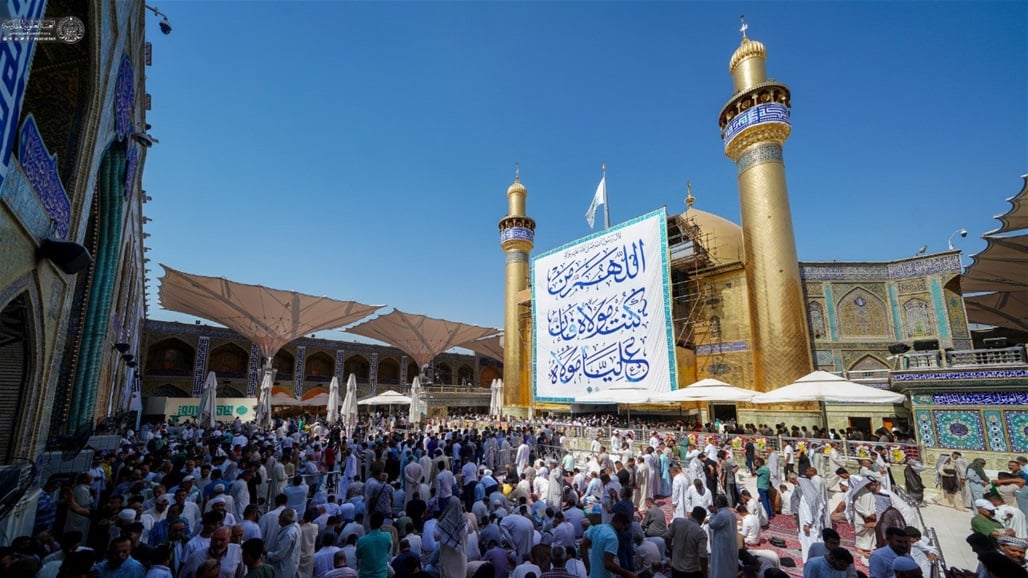
He noted that higher temperatures have prompted increased travel to the Kurdistan Region's governorates of Erbil, Sulaymaniyah, and Duhok, while Najaf also experienced a significant influx of visitors. In Baghdad, tourist destinations such as Baghdad Tourist Island, resorts, and recreational facilities recorded strong attendance during the holiday period.
He added that hotel occupancy rates in both the Kurdistan Region and Najaf were strong and reached notably high levels, with final statistics currently being compiled.
Abdul Ridha stated that Crisis Cell committees in Baghdad and the governorates reported no major obstacles affecting tourism activity or the festive atmosphere during Eid celebrations.
He further noted that tourism facilities across the country continue to undergo steady development. The growing number of restaurants in Baghdad, he said, has created a competitive environment that encourages higher service quality and reasonable pricing. At the same time, several investors are moving forward with plans to develop new hotels that meet international standards, supporting the continued growth of Iraq's tourism sector.