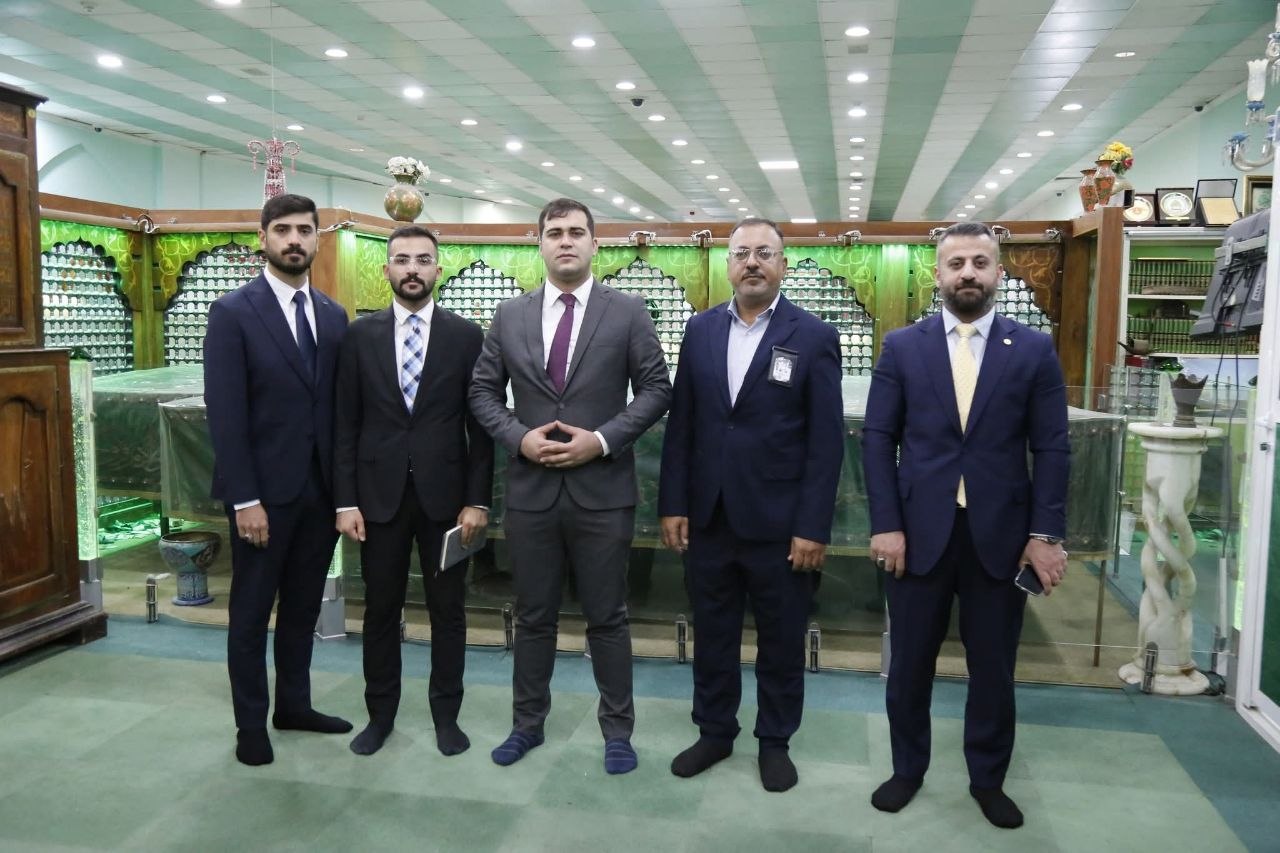
Turkish Chargé d’Affaires visits Imam Hussain Museum
Kufa: A capital of thought and a cradle of civilization
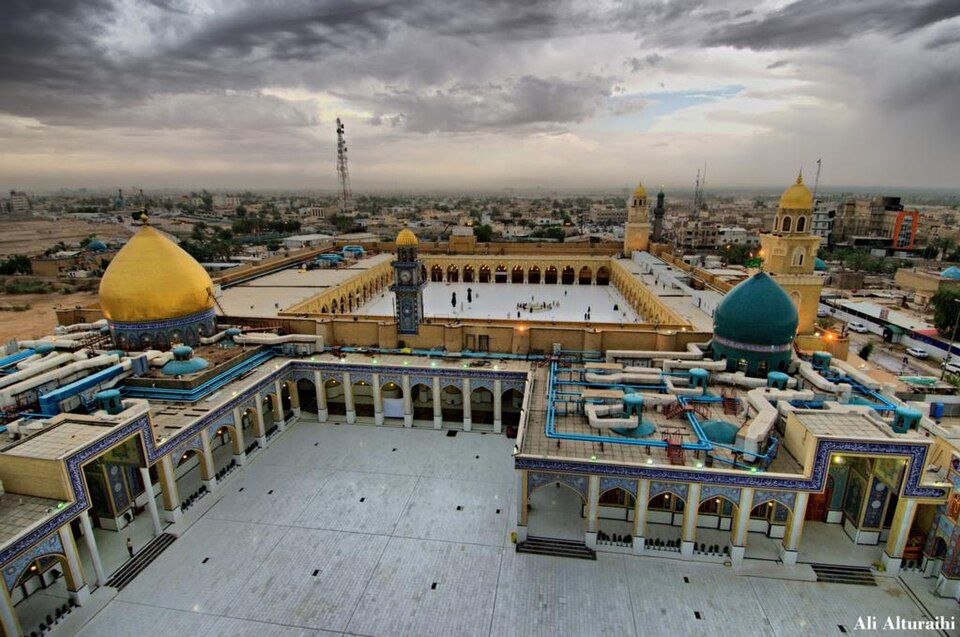
On the banks of the Euphrates, Kufa stands as a witness to pivotal moments in Islamic history. Founded in 17 AH, it quickly developed from a military settlement into a major center of political and intellectual life. In 36 AH, Imam Ali ibn Abi Talib (peace be upon him) made Kufa the capital of the Islamic Caliphate.
Architecture Steeped in History
Kufa is home to some of Iraq’s most significant Islamic and archaeological landmarks. The Great Mosque of Kufa, one of the oldest mosques in the Islamic world, is known for its vast grounds, imposing walls, and important religious and historical sites. Nearby stands Dar Al-Imara (Governor’s Palace), regarded as the oldest surviving Islamic government building in Iraq. The House of Imam Ali (peace be upon him), also located near the mosque, reflects the simplicity of the period’s architecture. The Shrine of Muslim ibn Aqil, Imam Hussain’s (peace be upon him) envoy, is another prominent spiritual and historical landmark in the city.
A Center of Knowledge and Language
Kufa’s legacy extends beyond politics and architecture. It became a major center of scholarship and the home of the Kufan school of Arabic grammar. The city also gave its name to Kufic script, one of the earliest forms of Arabic calligraphy, widely used in Quranic manuscripts, mosques, and Islamic art.
Today, Kufa remains a living testament to Iraq’s rich intellectual, religious, and cultural heritage, with historic landmarks that continue to reflect the city’s enduring legacy.
Abbas Al-Taee