UN warns global temperatures could rise by 2.8°C by 2100
WHO Director: Hantavirus is not “another COVID,” risk remains low
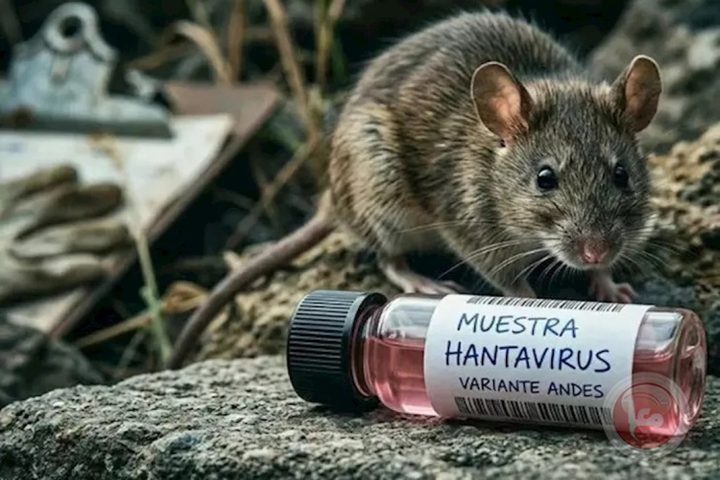
World Health Organization (WHO) Director-General Dr. Tedros Adhanom Ghebreyesus has reassured residents of the Canary Islands and passengers aboard the cruise ship MV Hondius that the hantavirus outbreak poses a low risk.
Speaking ahead of the ship’s scheduled evacuation on Sunday, Dr. Tedros stressed that the situation should not be compared to the COVID-19 pandemic. “This disease is not COVID,” he said, noting that while public concern is understandable given the recent pandemic experience, the current situation is far more contained.
He explained that the risk remains low globally and for residents of the Canary Islands because of both the nature of the disease and the preventive measures taken by Spanish authorities.
Health experts believe the outbreak is linked to the Andes virus, the only known hantavirus strain capable of limited human-to-human transmission. However, such transmission is considered rare and usually requires prolonged close contact in confined settings.
Infectious disease specialist Dr. Lucille Blumberg stated: “This is not COVID, nor even influenza. It is an unusual event involving person-to-person transmission, likely facilitated by the confined conditions aboard the ship.”
The MV Hondius was expected to arrive in Tenerife, where around 150 passengers were set to be evacuated under strict health measures designed to avoid contact with the local population.
Officials noted that the virus has an incubation period of one to eight weeks, complicating contact tracing efforts. So far, three deaths have been reported aboard the ship, while one British passenger remains in critical condition in South Africa.
Although certain hantavirus strains can cause severe illness, human infections remain relatively rare worldwide. There is currently no approved vaccine or specific antiviral treatment, with care focused mainly on supportive treatment and symptom management.
Latest News