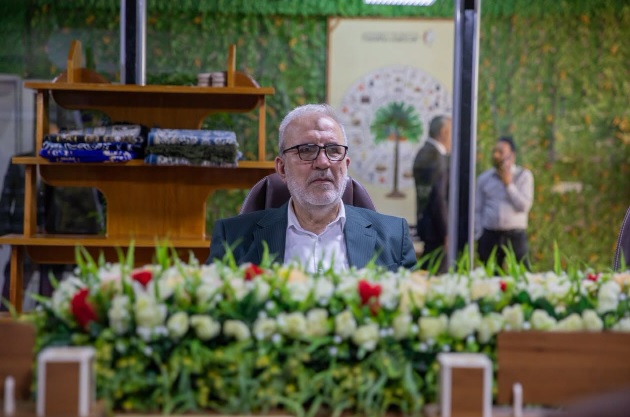
Secretary-General of the Imam Hussain Holy Shrine: Forum of Holy Shrine Secretaries-General serves as a beacon for reform and community service
Imam Hussain Holy Shrine debuts at Tunis International Book Fair
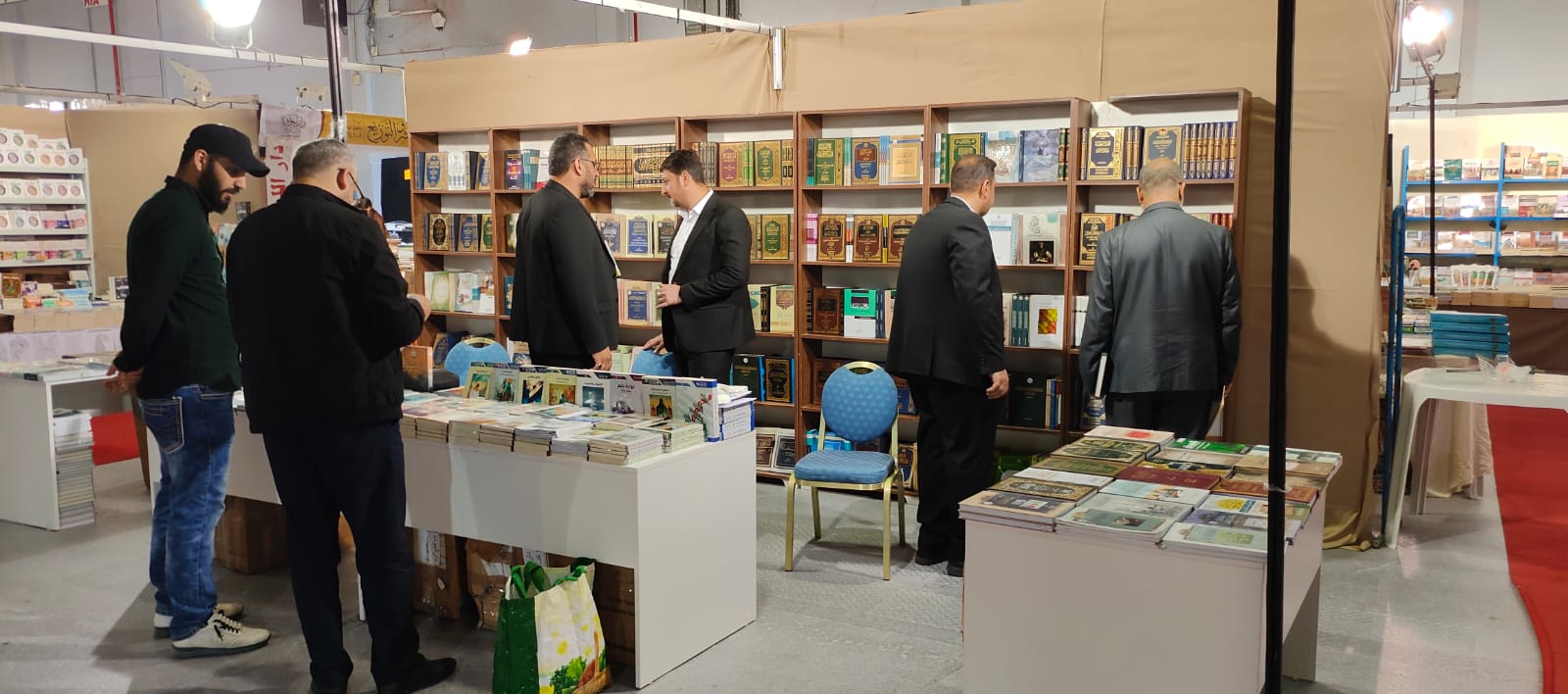
In a significant step in its cultural and intellectual outreach, the Holy Shrine of Imam Hussain is participating for the first time in the 40th edition of the Tunis International Book Fair. The Shrine’s presence highlights a comprehensive intellectual project that reflects the richness of Iraqi cultural experience and promotes the message of Imam Hussain (peace be upon him) in advancing knowledge and human values.
This participation aligns with the Shrine’s broader strategy to strengthen its presence in Arab and international cultural arenas, engage with diverse intellectual perspectives, and build connections with cultural figures, publishers, and academic institutions—fostering dialogue and the exchange of expertise.
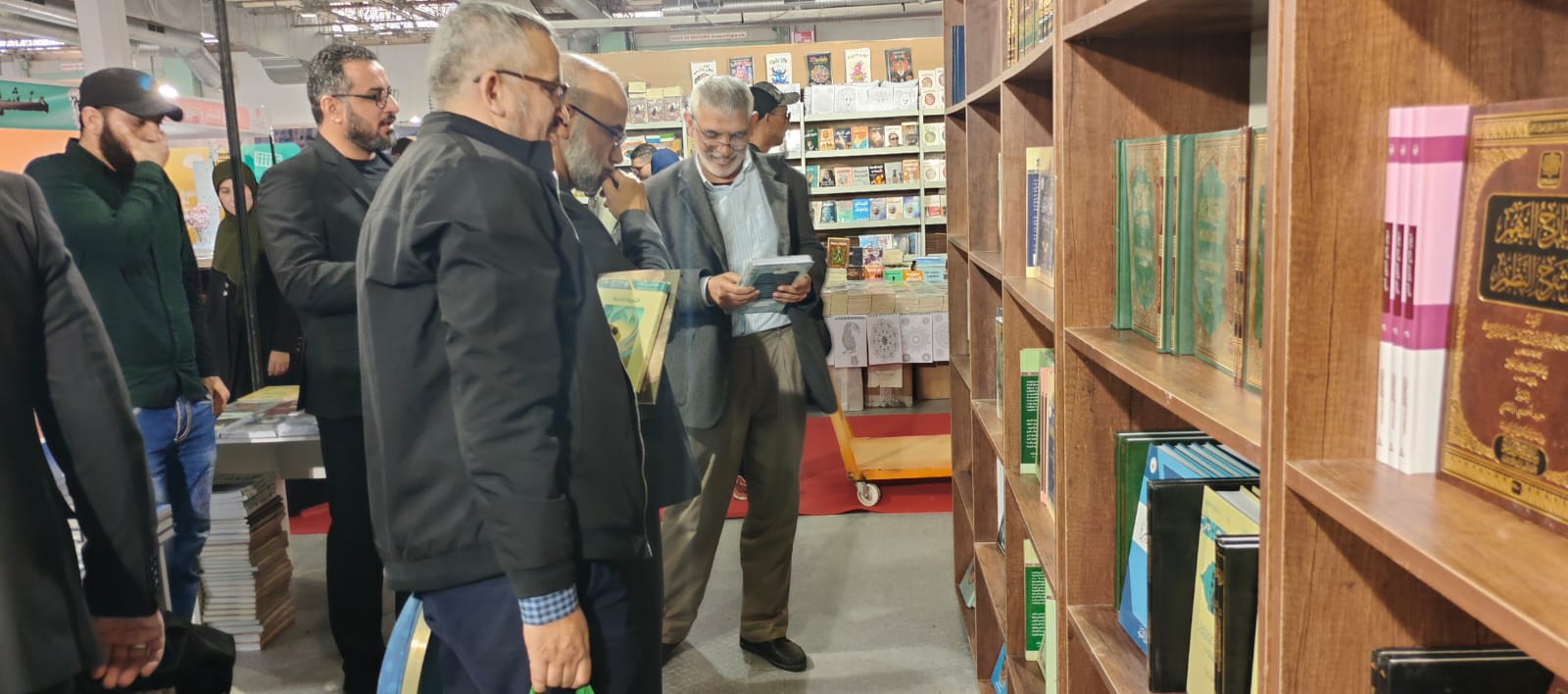
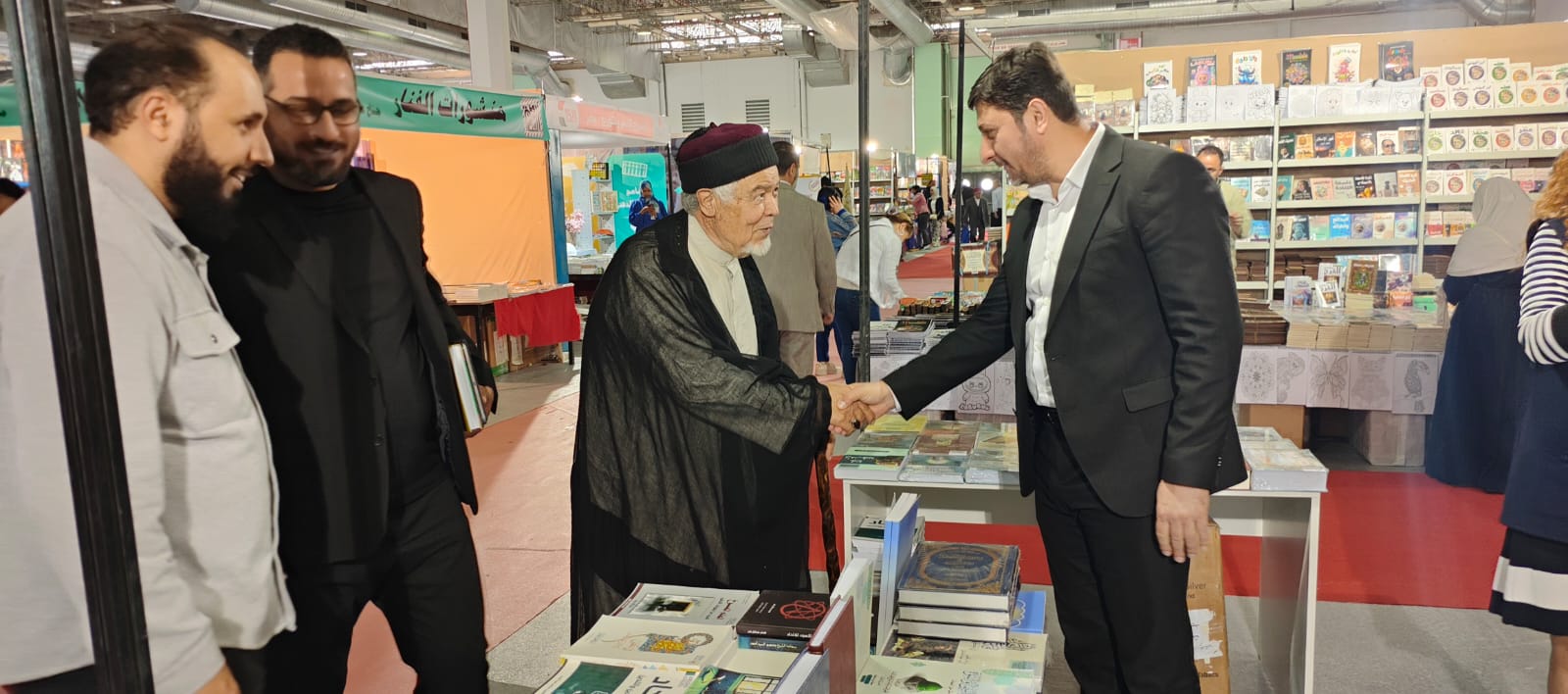
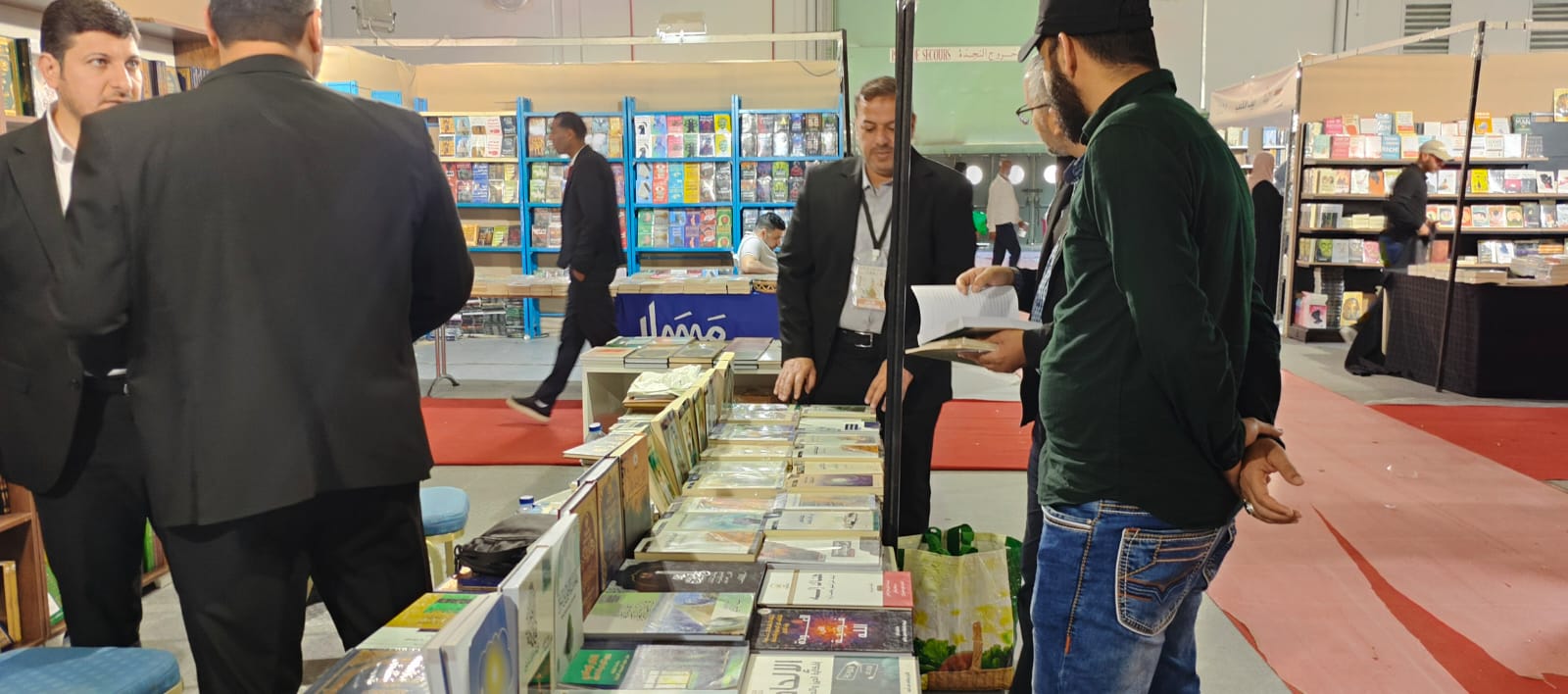
The Shrine’s pavilion stands out as a key destination for visitors, featuring a diverse collection of publications in Islamic thought, the humanities, and cultural heritage. It also presents the scholarly contributions of its research centers and affiliated institutions, reflecting ongoing efforts to promote knowledge, preserve heritage, and raise cultural awareness.
In addition, the participation includes active media coverage and a series of cultural and intellectual events that highlight the Shrine’s role in promoting moderation, balance, and values rooted in dialogue, openness, and peaceful coexistence.
Ali Mamitha, head of the Shrine’s pavilion, stated: “Our participation in the Tunis International Book Fair marks an important step in expanding our presence on the international cultural stage. Through this platform, we aim to convey our intellectual and humanitarian message to a wider audience, present our publications in a way that resonates with Arab readers, and open new avenues for collaboration with cultural and academic institutions.”
He added: “This first participation goes beyond mere presence at an international event; it represents a civilizational message affirming that the Holy Shrine of Imam Hussain is steadily moving toward a global role—carrying a rich cultural and spiritual legacy that fosters dialogue among nations, promotes knowledge, and upholds universal human values.”
Emad Bao
Attachments