Vatican Ambassador to Iraq meets with representative of the Supreme Religious Authority in Karbala
Imam Hussain Holy Shrine explores agricultural cooperation with Dutch companies
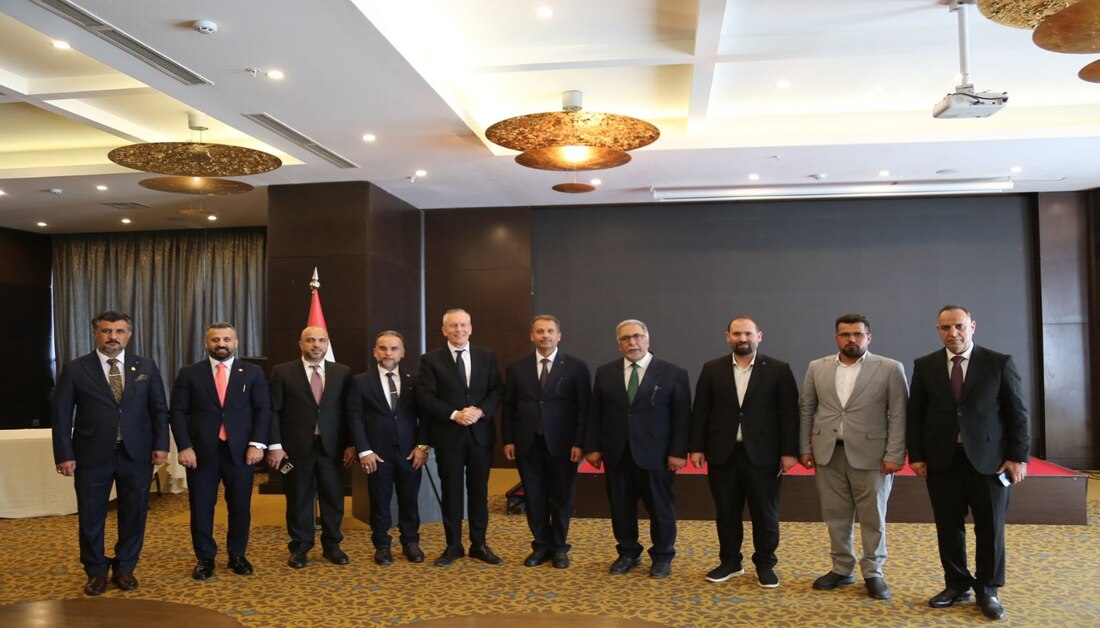
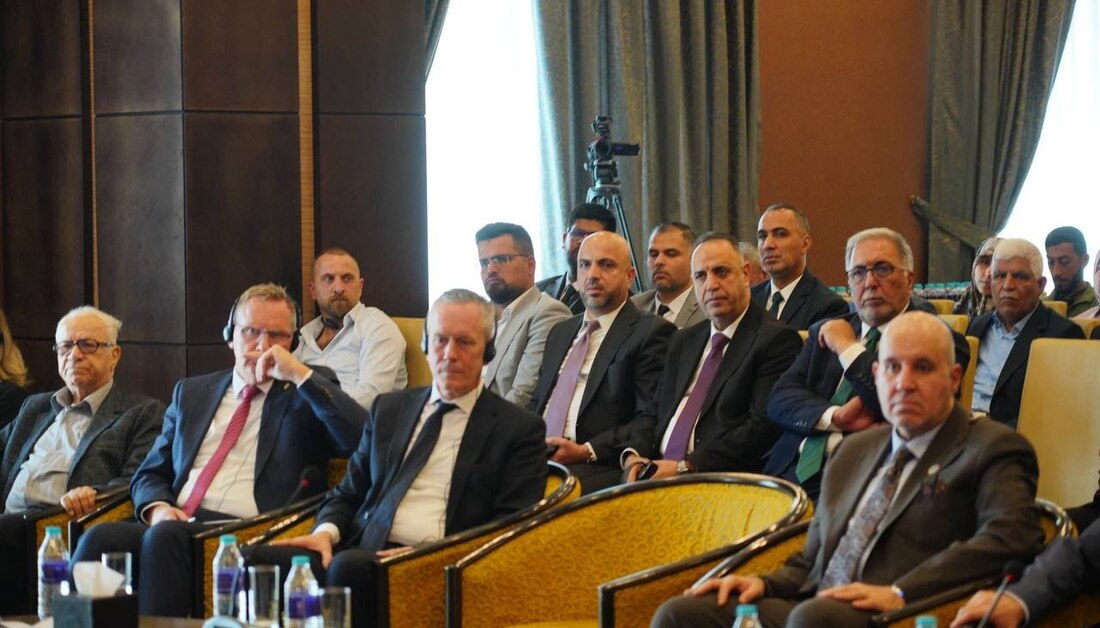
The Imam Hussain Holy Shrine has explored opportunities for cooperation with Dutch companies specializing in agriculture, with the aim of exchanging expertise, developing agricultural projects, increasing production, and strengthening food security in Iraq. The discussions took place during a conference organized by the Dutch Embassy, bringing together companies operating in the agricultural sector.
The Holy Shrine was represented by a delegation comprising Razzaq Al-Ta’i, member of the Board of Directors and Head of the Agricultural Authority; Qahtan Awz, Head of the Agricultural Development Department; Fayez Abu Al-Ma’ali, Director of Fadak Farm; Wahab Abu Al-Har, Head of the Ornamental Plants and Afforestation Department; and Ghaith Al-Hasani, an official from the International Relations Division of the Public Relations Department.
Razzaq Al-Ta’i explained that the delegation’s participation aimed to showcase the Shrine’s agricultural projects and explore partnerships with specialized Dutch companies. He noted that such cooperation could help advance the agricultural sector, expand investment opportunities, and facilitate the transfer of modern technologies and technical expertise.
He added that the delegation presented several initiatives, including greenhouse projects, vegetable cultivation, and Fadak Farm, which specializes in growing various date palm varieties. The delegation also highlighted the Northern Green Belt project, a major initiative to combat desertification through the cultivation of trees such as date palms, olives, and eucalyptus. The project also supports complementary activities, including beekeeping, honey production, and olive cultivation.
Al-Ta’i noted that efforts are underway to develop the Northern Green Belt into a tourist destination attracting visitors from Karbala and other Iraqi provinces.
He further stated that the Shrine presented its flower, cut-flower, and seedling production projects, which attracted the interest of participating companies. Potential areas of cooperation include the production of flowers, vegetables, and seeds, as well as strategic projects focused on wheat and grain cultivation.
Al-Ta’i emphasized that the Holy Shrine’s agricultural initiatives support government efforts to strengthen food security. These include wheat cultivation across approximately 1250 hectares in Ayn al-Tamur District, with plans to expand the cultivated area in the future.
He concluded by affirming the Shrine’s commitment to developing and expanding its agricultural projects. He added that the Dutch Embassy and participating companies had expressed their willingness to maintain communication, organize further meetings and conferences, and arrange visits by Dutch delegations to Iraq to explore new opportunities for cooperation and investment in the agricultural sector.
Attachments
Latest News