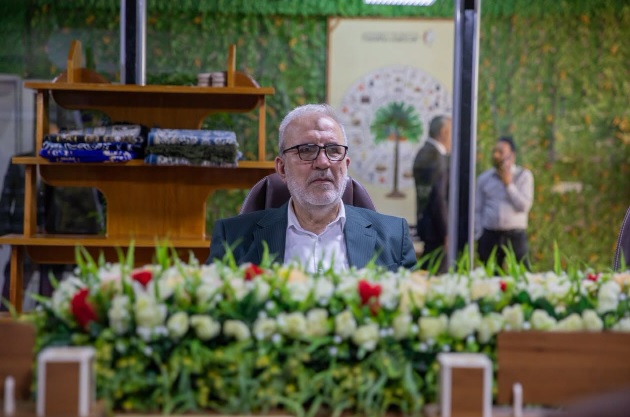
Secretary-General of the Imam Hussain Holy Shrine: Forum of Holy Shrine Secretaries-General serves as a beacon for reform and community service
Success in promising trial for treating Type 1 Diabetes
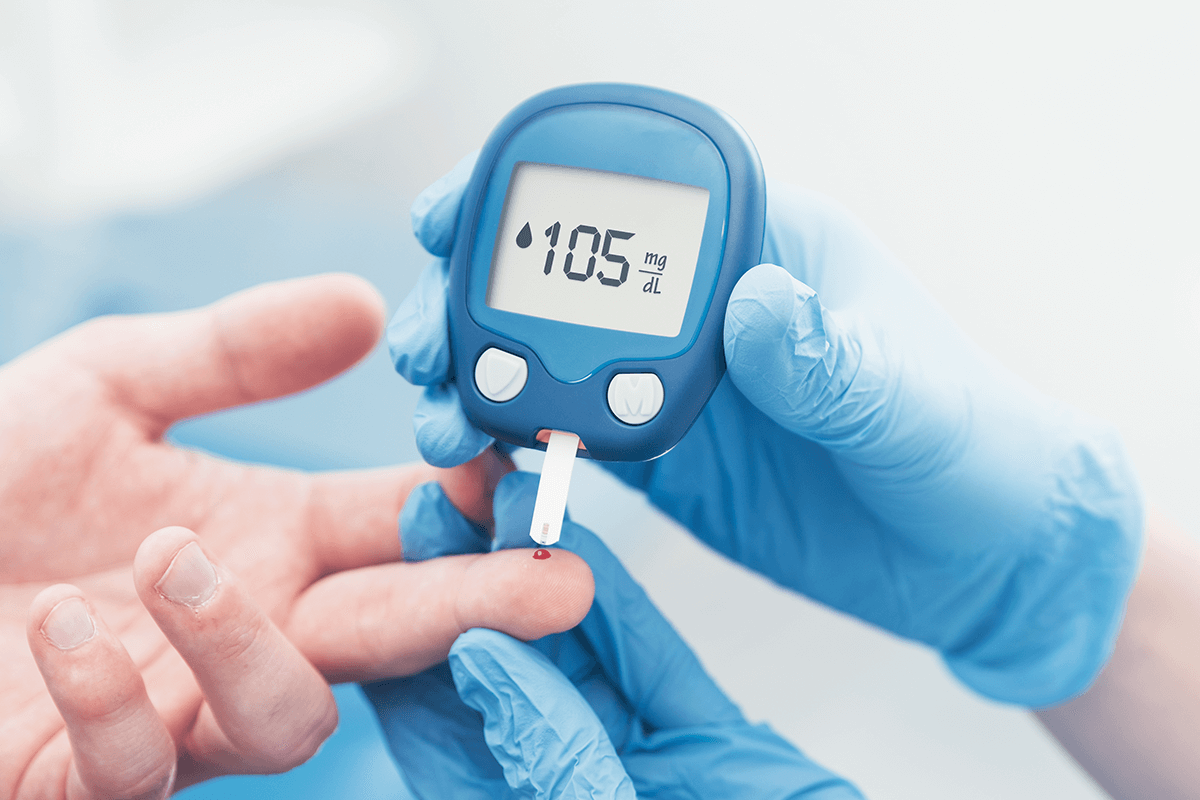
Scientists have made encouraging progress in the treatment of Type 1 Diabetes, raising hopes for a future breakthrough in managing the condition.
In a recent study, researchers successfully treated the disease in mice using a new approach that avoids long-term immune suppression—one of the main challenges in transplanting insulin-producing cells.
Type 1 diabetes occurs when the immune system attacks pancreatic cells responsible for insulin production, forcing patients to rely on lifelong insulin therapy. While cell transplantation has long been considered a potential solution, the body often rejects these cells, requiring continuous use of strong immunosuppressive drugs.
The new method introduces a “hybrid” immune system combining elements of both donor and recipient, allowing the body to accept transplanted cells. Using antibodies, low-dose radiation, and a common arthritis medication, scientists were able to retrain the immune system without fully destroying it.
The treated mice continued producing insulin over an extended period with no signs of rejection—an encouraging result.
However, researchers caution that further studies are needed before this approach can be applied to humans. If successful, it could mark a major step toward a long-term treatment—or even a cure—for Type 1 diabetes.