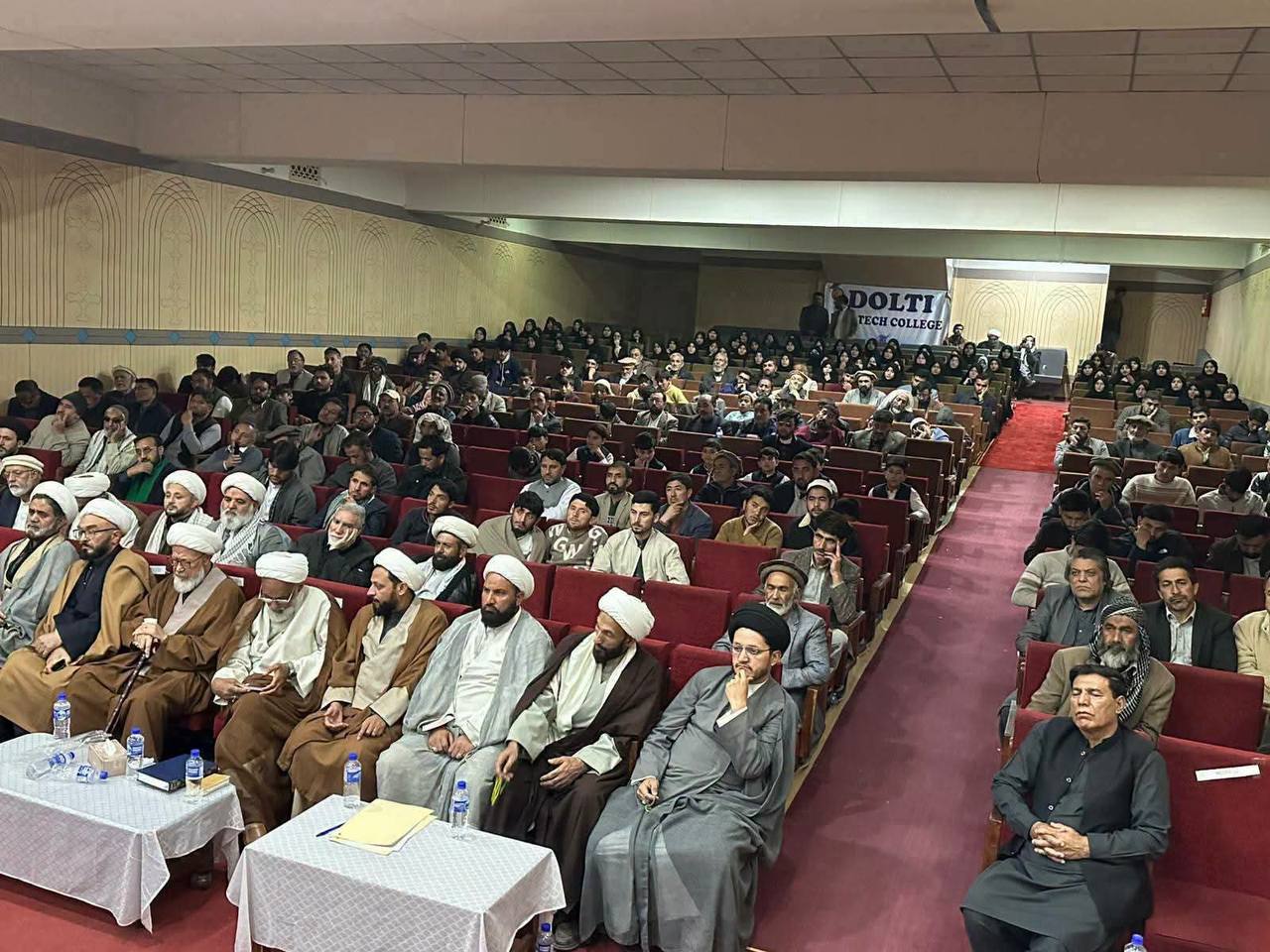
Pakistan: First Nahj Al-Balagha Conference held in Baltistan
The death penalty law in the Zionist entity: A threat to human values and international justice
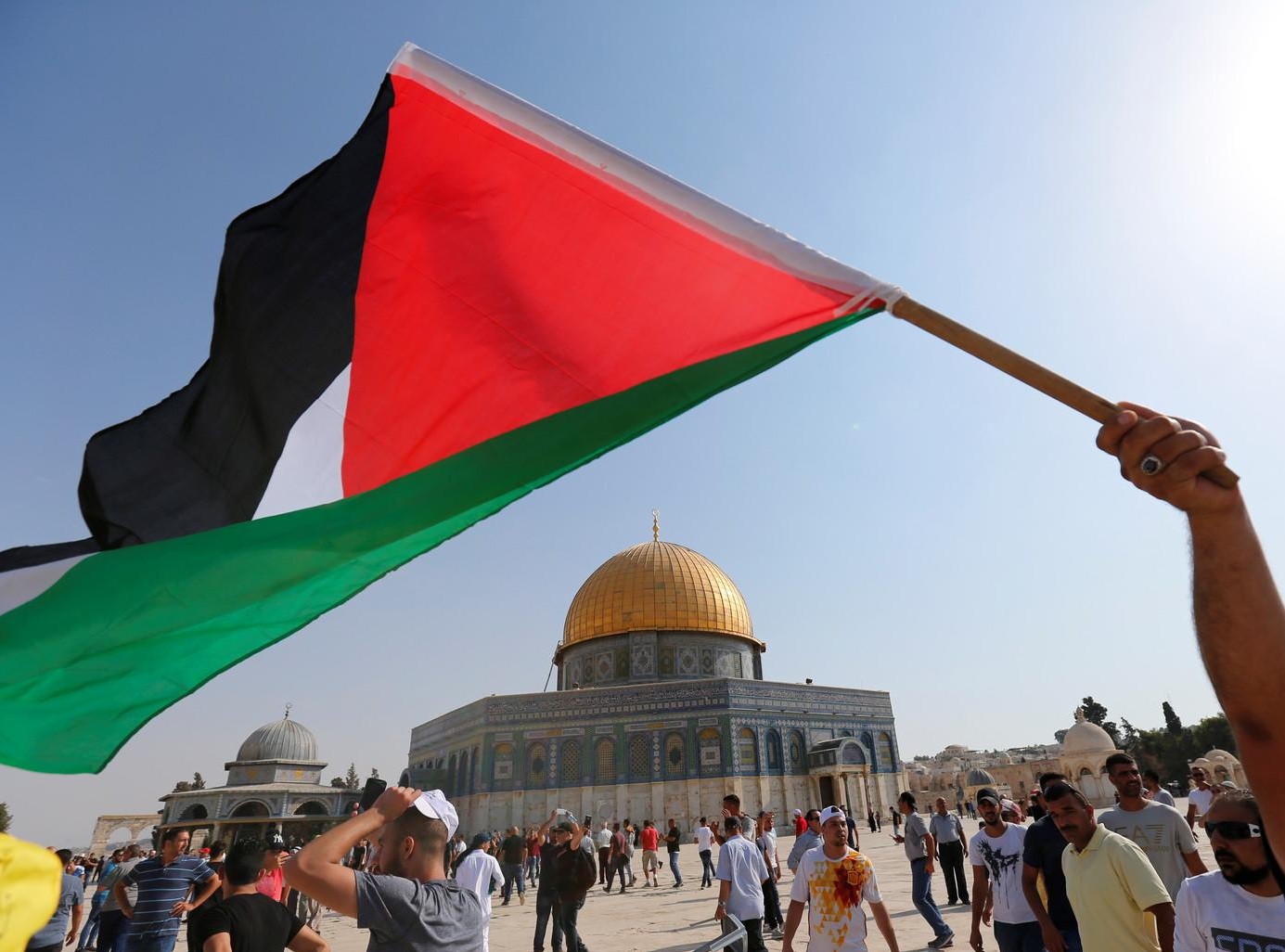
The Knesset’s passage of a law permitting the execution of Palestinian prisoners marks a deeply concerning development—not only politically, but also in terms of human rights and international humanitarian law. The legislation raises serious fears of violations of the fundamental right to life and reinforces punitive measures that fall outside globally recognized legal standards.
Violation of the Right to Life
The right to life is among the most fundamental rights enshrined in international charters, particularly the Universal Declaration of Human Rights. Imposing the death penalty in a context of military occupation heightens concerns that it may be used as a political instrument rather than a fair judicial measure.
Lack of Fair Trial Guarantees
Given the conditions of occupation, serious doubts persist regarding judicial impartiality and the availability of fair trial standards—especially in light of past practices such as administrative detention and the use of military courts.
Entrenchment of Discrimination
There are growing concerns that the law may be applied selectively against Palestinians, reinforcing systemic discrimination and undermining the principles of equality before the law.
Conflict with International Humanitarian Law
The Geneva Conventions emphasize the protection of detainees and prohibit cruel or inhumane punishment. This legislation appears to stand in direct contradiction to those obligations.
Key Questions
What role will international human rights organizations play in addressing this development?
Will bodies such as the United Nations and the United Nations Human Rights Council take action?
Can humanitarian institutions exert meaningful pressure to ensure legal protections for prisoners?
The Required Arab Response
This issue calls for a unified Arab stance, led by the League of Arab States, through coordinated diplomatic and legal efforts. Such actions may include filing cases in international courts, applying political and media pressure, and advocating for prisoners’ rights in global forums.
Addressing this law is not solely a Palestinian responsibility—it is a broader test of international justice and global conscience.