السيد السيستاني يعزي بوفاة المرجع الشيخ الفياض
El Niño: United Nations warns of an approaching climate crisis
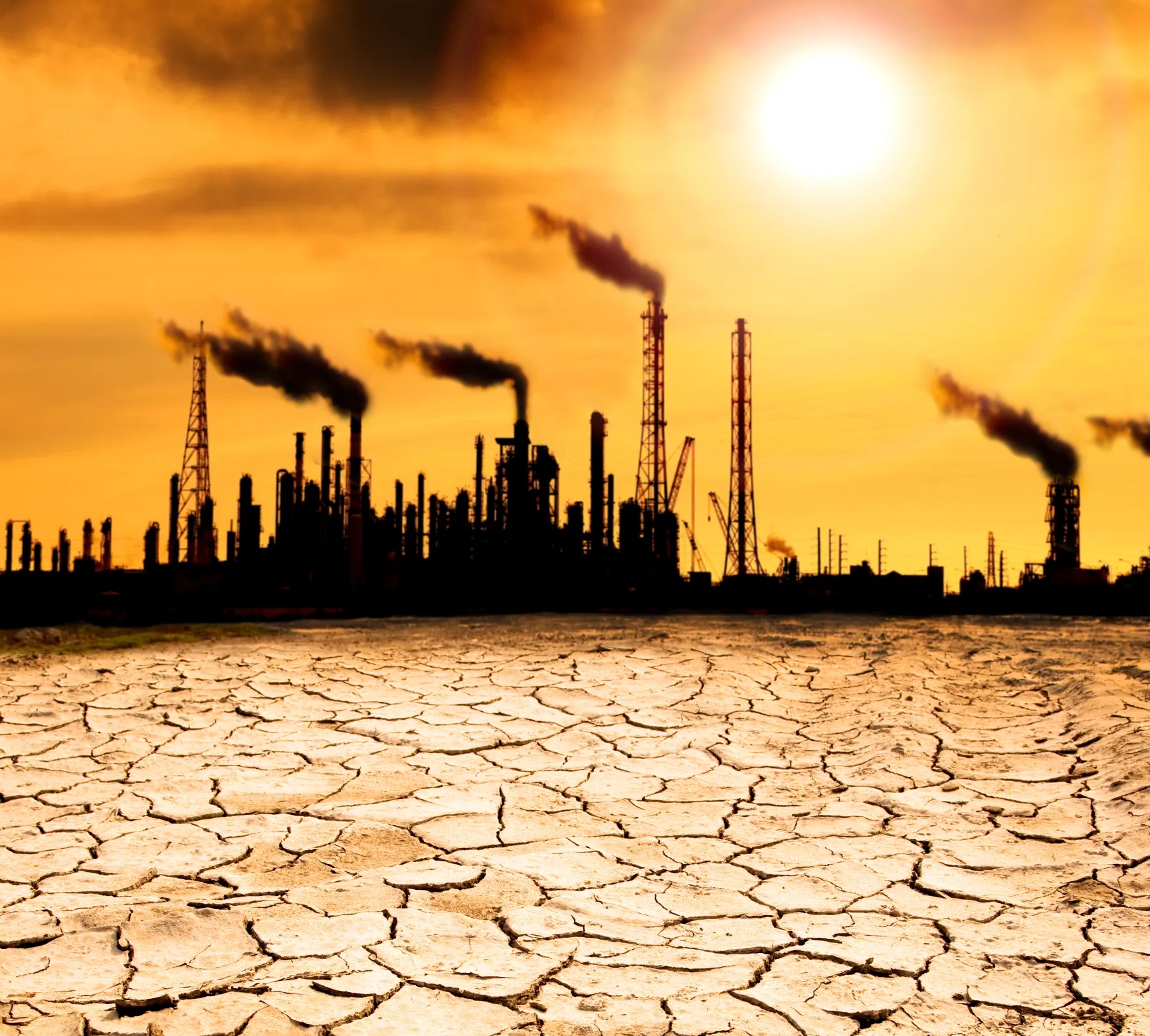
El Niño is a naturally occurring climate phenomenon characterized by unusually warm sea surface temperatures in the central and eastern tropical Pacific Ocean. It develops every two to seven years and typically lasts between nine and twelve months. El Niño represents the warm phase of the broader El Niño–Southern Oscillation (ENSO) cycle, while its counterpart, La Niña, constitutes the cold phase.
An Urgent UN Warning
United Nations agencies, particularly the World Meteorological Organization (WMO), together with UN Secretary-General António Guterres, have warned that the world may be approaching a powerful El Niño event with potentially severe global consequences.
According to climate forecasts, there is an 80 percent probability that El Niño conditions will develop by August 2026 and a 90 percent chance that they will persist through October of the same year.
Describing the phenomenon as an “urgent climate alarm,” Guterres stressed the need for immediate preparedness, warning that El Niño could intensify the effects of a planet already experiencing record levels of warming.
“El Niño conditions will add fuel to a world already facing rising temperatures,” he said. “Its impacts will be far-reaching, crossing borders with unprecedented speed and severity.”
Potential Global Consequences
El Niño disrupts global atmospheric circulation, affecting wind patterns, rainfall distribution, and temperatures worldwide. These changes can trigger a range of extreme weather events and environmental challenges.
Drought and Wildfires
Regions including Australia, Indonesia, Central America, parts of South Asia, and the Indian subcontinent are particularly vulnerable to drought during El Niño periods.
A weaker monsoon season in India could threaten agricultural production and lead to prolonged drought conditions. At the same time, hotter and drier weather increases the risk of large-scale wildfires, especially in Europe and North America.
Floods and Severe Storms
While some regions face drought, others may experience excessive rainfall and flooding. Southern parts of South America and the United States, along with portions of the Horn of Africa and Central Asia, are expected to face heightened flood risks.
El Niño can also contribute to increased tropical cyclone activity across parts of the Pacific Ocean, amplifying the threat of severe storms and associated damage.
Humanitarian and Economic Risks
Beyond its meteorological impacts, El Niño poses significant humanitarian and economic challenges.
Food Security and Rising Prices
Reduced rainfall and adverse weather conditions can severely affect agricultural productivity, leading to lower crop yields, food shortages, and rising food prices in vulnerable regions.
Disease Outbreaks
Heatwaves and flooding create favorable conditions for the spread of vector-borne diseases such as malaria and dengue fever, as mosquito populations expand into new geographic areas.
Pressure on Water and Energy Resources
Extended droughts can deplete reservoirs and strain water supplies, while extreme temperatures increase demand for energy, placing additional pressure on already stressed infrastructure systems.
Economic Disruption
The combined effects of extreme weather, agricultural losses, and infrastructure damage can disrupt global supply chains, threaten livelihoods, and contribute to broader economic instability.
The United Nations' Message
The United Nations emphasizes that preparedness is essential. Waiting until disaster strikes could result in significant human and economic losses. Governments, institutions, and communities are urged to take proactive measures, including:
Accelerating the transition to renewable energy sources.
Reducing dependence on fossil fuels, the primary driver of greenhouse gas emissions.
Expanding early warning systems to ensure communities receive timely information and can prepare for climate-related disasters.
The UN stresses that the window for action is narrowing and that decisive measures taken today can help save lives, protect economies, and strengthen resilience against future climate shocks.
Haidar Al-Mangooshi