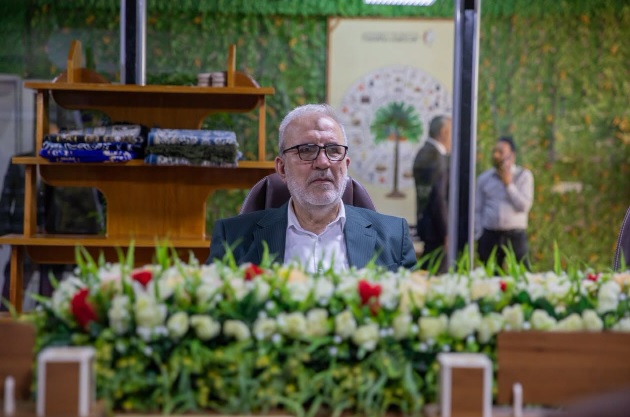
Secretary-General of the Imam Hussain Holy Shrine: Forum of Holy Shrine Secretaries-General serves as a beacon for reform and community service
Discovery of over 43,000 pottery fragments sheds light on daily life in ancient Egypt
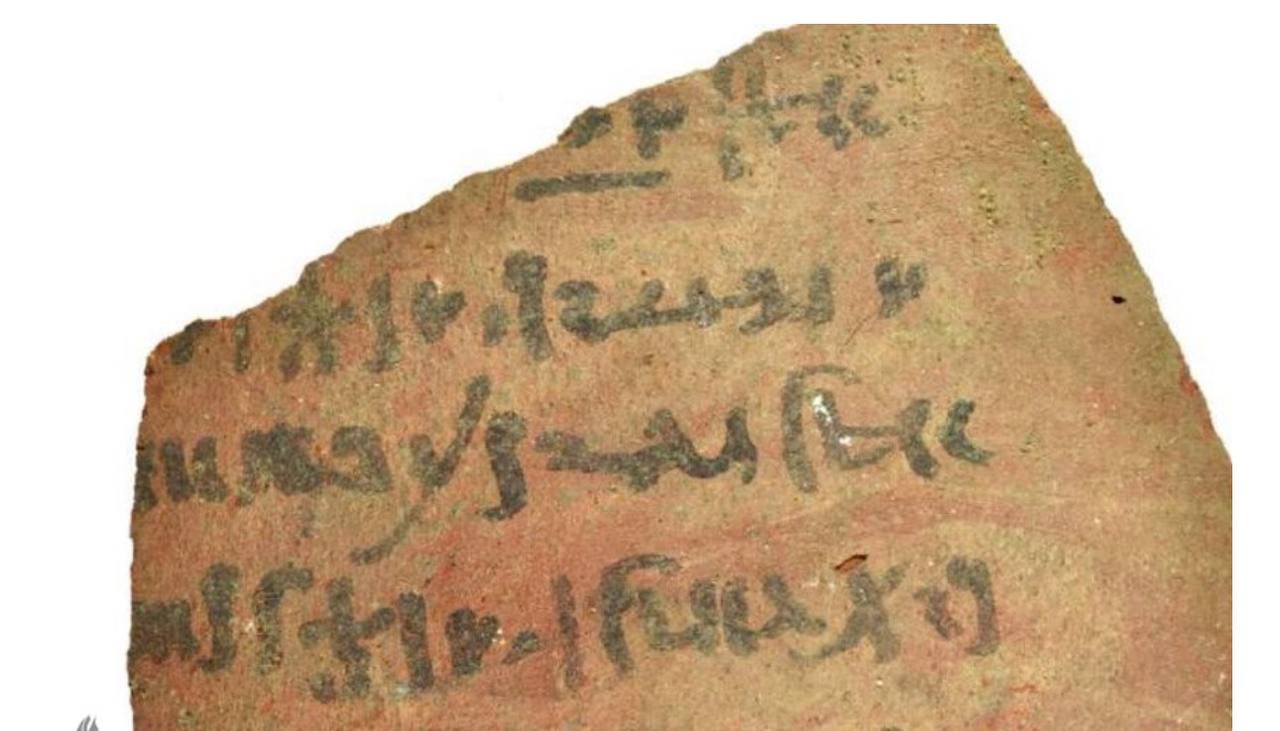
A joint archaeological mission conducted by the Egyptian Ministry of Tourism and Antiquities and the University of Tübingen in Germany has uncovered more than 43,000 pottery fragments inscribed with details of everyday life in ancient Egypt.
The fragments—known scientifically as ostraca—were discovered during excavation work carried out between 2005 and 2026 at the Athribis archaeological site, located about 10 kilometers west of the Nile River.
According to Egyptologist Christian Leitz of the University of Tübingen, the inscriptions reveal a wide range of daily activities and social practices. These include tax records, receipts, personal notes, school exercises, religious texts, and priestly certifications related to sacrificial animals.
This remarkable collection offers a rare and direct glimpse into the lives of ordinary people, making it a valuable historical source for understanding social and cultural life in ancient Egypt over 2,000 years ago.