UK Parliament launches inquiry into shortcomings in mosque security protection program
Migrating wings: Iraq’s marshes, a vital stop on a global journey for survival
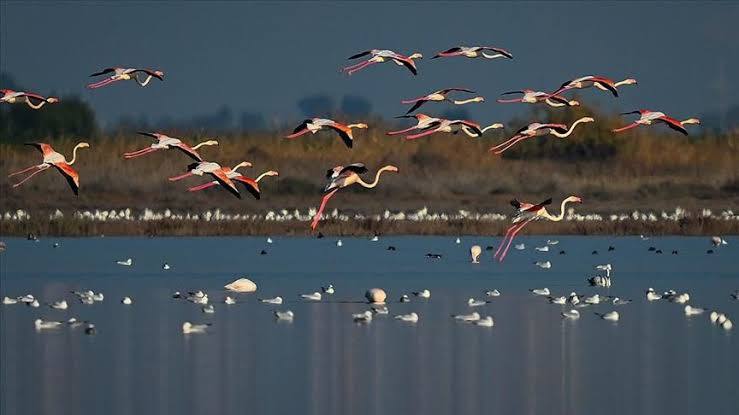
Each year, as icy winds sweep down from the Arctic and the Siberian steppes, Iraq’s skies host one of the planet’s most remarkable natural spectacles. Millions of birds representing hundreds of species embark on epic journeys spanning thousands of kilometers, descending upon Iraq’s rivers, marshes, and lakes. For these travelers, the country becomes a vast natural “international airport,” where borders vanish and only the instinct for survival prevails.
Iraq’s geographic position places it at the heart of the West Asia–Africa migration corridor. Birds fleeing the harsh Eurasian winter toward Africa’s warmth depend on Iraqi wetlands as indispensable resting and refueling grounds. For flocks crossing the Caucasus Mountains and the deserts of Central Asia, the marshes of Al-Jubayish, Hawizeh, Al-Razzaza, and the Faw coastline serve as ecological sanctuaries rich in food and relative safety.
Environmental specialists describe these wetlands not merely as bodies of water, but as strategic energy reserves. Migratory birds can lose up to 40 percent of their body weight during flight and must replenish their strength with small fish, crustaceans, and aquatic vegetation before continuing southward or settling in Iraq for the winter.
Guests of Honor
Among the most striking seasonal visitors is the greater flamingo, whose vast flocks paint Iraqi lakes in brilliant shades of pink. The great white pelican glides across the waters, while numerous duck species and songbirds fill the marshes with life and sound.
Of particular scientific importance is the Basra reed warbler, a small bird found breeding only in the marshes of southern Iraq. Its global survival is directly tied to the health of these wetlands, making it a national ecological emblem. Birds of prey such as the Eastern Imperial Eagle also traverse Iraqi skies during their annual migrations, underscoring the country’s role as a critical ecological corridor.
A Relationship Rooted in History
The bond between Iraqis and migratory birds stretches back thousands of years. Waterfowl appear in Sumerian carvings and cylinder seals, reflecting their presence in the daily life and imagination of ancient Mesopotamia. Today, residents of the marshes retain deep knowledge of migration seasons, assigning local names to birds whose arrival signals the onset of winter and the promise of abundance.
This extraordinary biodiversity contributed to the inscription of the Marshes of Southern Iraq on the UNESCO World Heritage List in 2016. The marshes were recognized not only for their cultural and historical value, but also as a vital ecosystem supporting species that could face extinction if these wetlands were to disappear.
A cry against drought and overhunting
Despite their beauty and importance, Iraq’s migration routes face serious threats. Climate change and water scarcity are the most pressing challenges. Declining water levels in the Tigris and Euphrates rivers have led to the drying of vast marshland areas, shrinking the natural habitats that birds rely upon. When exhausted flocks arrive to find depleted wetlands, many are forced to continue their journey without rest, often with fatal consequences.
Overhunting presents another danger. In certain areas, migratory birds fall victim to illegal large-scale netting or poisoning and are sold in local markets. Although laws prohibit hunting rare species, weak enforcement and limited environmental monitoring leave many birds vulnerable.
Birdwatching tourism: An untapped opportunity
Iraq’s wetlands also represent a largely unrealized economic opportunity. Globally, birdwatching tourism generates billions of dollars each year as enthusiasts travel to observe rare species in their natural habitats. With more than 400 recorded bird species—around 200 of them migratory—Iraq possesses the biodiversity to become a regional hub for ecotourism.
Such development could provide alternative livelihoods for marsh communities, transforming residents into environmental stewards and trained guides rather than relying solely on fishing. Encouragingly, youth initiatives in Basra and Nasiriyah have begun documenting migratory birds through photography and social media, reshaping perceptions of Iraq as a land not only of history, but also of vibrant natural beauty.
Wings that connect the planet
Ultimately, bird migration offers a powerful reminder of global interconnectedness. A bird soaring above Moscow today may rest tomorrow in Al-Jubayish and sing a week later in Africa’s forests. Protecting these species is therefore both a national responsibility and an international obligation.
Restoring water flow to the marshes and safeguarding their ecosystems are essential steps toward preserving this shared natural heritage. The continued arrival of migratory birds stands as a living indicator of environmental health in Mesopotamia. As long as their wings grace Iraqi skies, life endures in the heart of the land between the rivers.
Quick facts
More than 400 bird species have been recorded in Iraq, including approximately 200 migratory species.
Key locations include the Hawizeh Marshes, Al-Jubayish, Lake Habbaniyah, Mosul Dam, and the Shatt al-Arab.
Peak migration season typically extends from November through the end of February.