Secretary-General of the Imam Hussain Holy Shrine: Forum of Holy Shrine Secretaries-General serves as a beacon for reform and community service
Freedom Under Threat and Rising Pressure: Who Protects Journalists?
By: Yousef Hameed
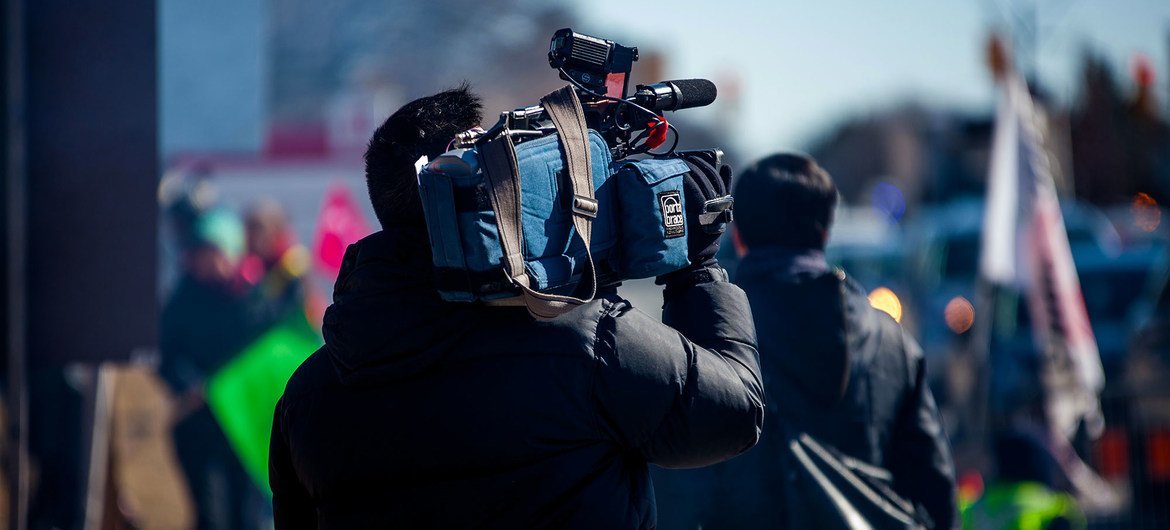
Amid rapidly unfolding events and mounting global challenges, journalism has become one of the professions most exposed to psychological strain and security risks—both worldwide and in Iraq. Torn between the duty to report the truth and the dangers inherent in the field, journalists face daily burnout and direct threats. This reality raises a pressing question: Who protects those who safeguard the public’s right to know?
Burnout in the Line of Duty
International reports show that more than 60 percent of journalists in Europe experience professional burnout driven by intense workloads, job insecurity, and the relentless pace of digital publishing. The impact extends beyond professional performance, affecting the mental and physical well-being of media workers.
Data from the Committee to Protect Journalists confirms that journalism—particularly in conflict zones—remains among the most dangerous professions. The risks range from direct targeting to the psychological toll of covering violence, war, and humanitarian crises.
Alarming Figures
According to Reporters Without Borders, 124 journalists were killed in 18 countries during 2024, making it one of the deadliest years for media workers in decades. These figures reflect not only the physical dangers of the profession but also a troubling decline in legal protections and accountability in many parts of the world.
Mental health specialists warn that constant exposure to scenes of destruction and conflict can lead to post-traumatic stress disorder, chronic anxiety, and depression, particularly in the absence of institutional psychological support programs within media organizations.
In Iraq, professional challenges intersect with a legacy of armed conflict and terrorism. Media researchers note that Iraqi journalists operate in an environment marked by job insecurity, administrative pressures, and persistent security risks, increasing the likelihood of both psychological exhaustion and physical harm.
Repercussions for Society
The consequences of this crisis extend beyond journalists themselves. When coverage quality declines or reporters withdraw from the field due to fear and fatigue, public oversight weakens. Investigative journalism suffers, transparency diminishes, and democratic accountability erodes. Ultimately, society bears the cost through reduced access to reliable information and a weakened culture of civic engagement.
Proposed Solutions
Experts and human rights organizations are calling for comprehensive action. This includes enacting legislation that guarantees both the physical and psychological protection of journalists and criminalizes attacks against them, establishing specialized national units to respond rapidly to threats, and obligating media institutions to provide safe working environments and structured psychological support. They also stress the importance of including journalists in social security and health insurance systems, as well as expanding training programs in safe reporting practices and trauma management.
Between Duty and Danger
Journalists continue to carry out their mission of conveying the truth despite mounting risks. However, ignoring the growing psychological and security pressures may lead to a professional hemorrhage that is difficult to reverse.
Protecting journalists is not a narrow professional demand but a societal necessity. Safeguarding those who inform the public strengthens democracy and preserves the fundamental right to access accurate and independent information. The pressing question remains whether decisive action will be taken before exhaustion and danger become permanent obstacles to press freedom.