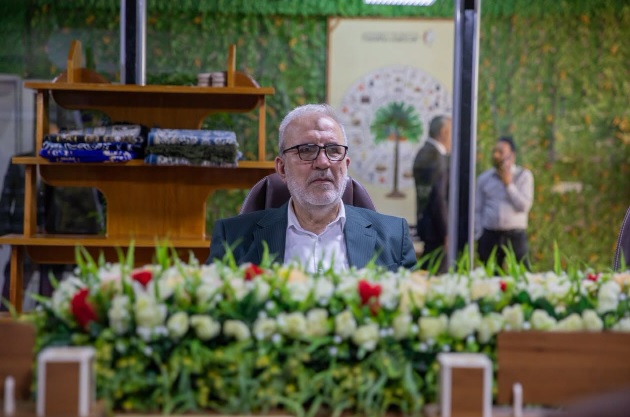
Secretary-General of the Imam Hussain Holy Shrine: Forum of Holy Shrine Secretaries-General serves as a beacon for reform and community service
The Old Neighborhoods of Baghdad: Forgotten Architectural Aesthetics and the Fading Charm of the Shanashil
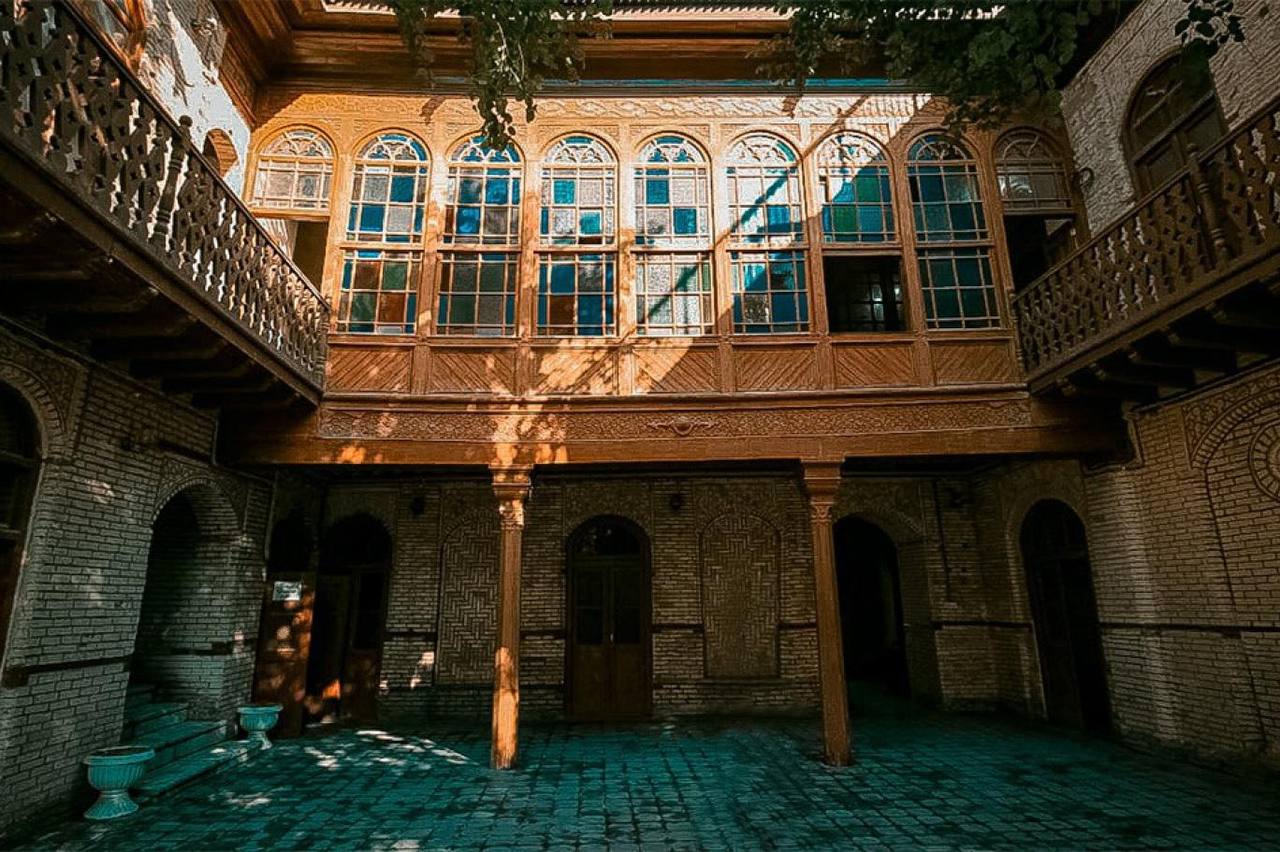
The old alleys of Baghdad resemble an open-air museum, narrating the story of a rich human and social civilization shaped over centuries. At the heart of this legacy stand the “Shanashil”—traditional wooden balconies that once formed the visual and spiritual identity of the City of Peace. Today, as these architectural treasures face extinction due to neglect and the passage of time, an urgent need emerges to revisit their philosophy and aesthetic value, which once made the Baghdadi home a unique work of art.
Privacy Rooted in Environmental Intelligence
The shanashil represent the lifeblood of traditional Baghdadi architecture, reflecting the ingenuity of Iraqi builders in harmonizing environmental adaptation with social values. Constructed primarily from teak and mahogany, these projecting balconies functioned as the “lungs” of the house. Their finely carved wooden lattices allowed cool air to circulate while absorbing excess moisture, creating a natural cooling system long before the advent of modern air conditioning.
Beyond their environmental function, shanashil embodied a deeply rooted social philosophy. They enabled residents—especially women—to observe street life discreetly, preserving household privacy while maintaining a visual connection with the outside world. In this way, the shanashil became an architectural expression of social customs, balancing openness with modesty.
A Social Fabric Behind the Walls
The shanashil cannot be separated from their surrounding environment, particularly the “Darbouna”—Baghdad’s narrow, winding alleys. These passageways served not only as thoroughfares but also as shared social spaces. In historic neighborhoods such as Al-Bataween, Bab Al-Sheikh, and Al-Karimat, shanashil often extended so closely toward one another that they nearly met above the alley, forming a wooden canopy that shaded pedestrians below.
This physical closeness mirrored strong social bonds. Neighbors exchanged greetings, conversations, and even food from balcony to balcony, reinforcing a sense of collective life and transforming the neighborhood into an extended family bound by daily interaction and mutual care.
The Allure of Ornamentation
Viewed through an artistic lens, the shanashil resemble intricate abstract compositions. Their geometric carvings follow precise mathematical proportions inspired by Islamic art, while small pieces of colored glass—blue, green, and red—are embedded within the wood. As sunlight filters through, these fragments scatter colorful reflections across interior spaces, creating a constantly shifting play of light throughout the day.
The protruding balconies also cast elongated shadows across building façades, reducing heat absorption by brick walls. Inside, the wooden latticework offers visual depth and a sense of calm, shielding residents from street noise and fostering an atmosphere of dignity and serenity.
Centers of Cultural Revival
Despite the threats posed by uncontrolled urban expansion and the deterioration of heritage buildings, signs of renewal have emerged in recent years, driven largely by Iraqi youth. Rather than waiting for official intervention, volunteer groups, artists, and intellectuals have taken the initiative to preserve what remains. Along Al-Rashid Street and in areas such as Al-Qishla, abandoned heritage houses have been transformed into art galleries and literary cafés, including Beit Tarkib and the Baghdad Heritage House.
These initiatives have breathed new life into historic structures, attracting younger generations who never experienced the golden era of the shanashil. Meanwhile, young engineers are digitally documenting ornamental details to safeguard them from oblivion, and small carpentry workshops are reproducing traditional carvings to restore damaged balconies. Their efforts underscore a shared belief that architectural identity is the final line of defense for a city’s memory.
A Collective Responsibility
The loss of the shanashil represents a profound erosion of Iraq’s collective memory. Preserving Baghdad’s old neighborhoods requires a concerted effort that unites grassroots youth initiatives with institutional support and legal protection to prevent further demolition and commercial exploitation. The shanashil stand as enduring witnesses to an era in which beauty, functionality, and privacy coexisted in harmony. Today, they await a renewed commitment to restore the faded splendor of areas such as the Christian Quarter and Al-Qishla—an act of loyalty to Baghdad’s soul and history.