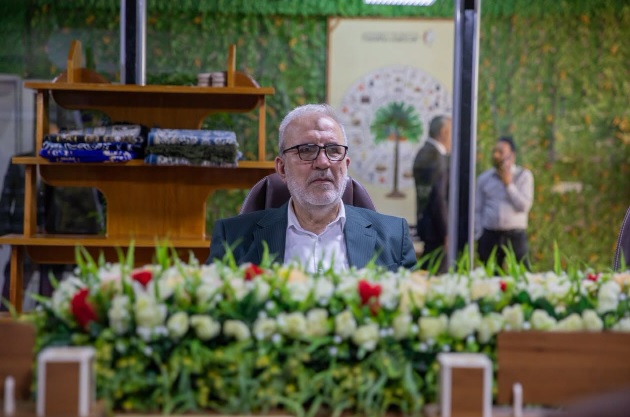
Secretary-General of the Imam Hussain Holy Shrine: Forum of Holy Shrine Secretaries-General serves as a beacon for reform and community service
Seoul restaurants adapt to rising Muslim tourism with halal-friendly menus
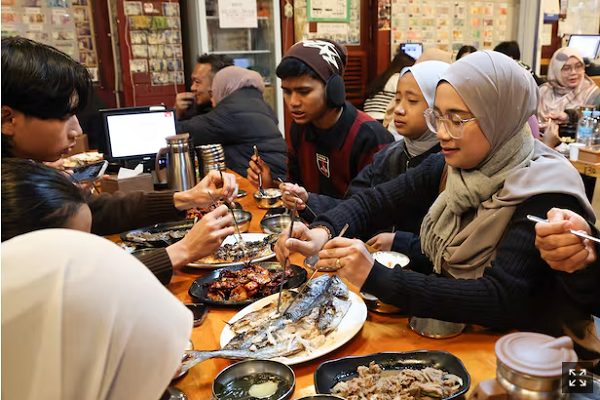
Restaurants across Seoul are increasingly adapting their menus and services to accommodate a growing number of Muslim tourists, reflecting a shift in the city’s culinary landscape driven by rising international travel.
On the evening of December 26, a grilled fish restaurant near Sinchon Station in Seoul’s Seodaemun District was fully occupied, with most diners identified as Muslim tourists. Customers selected popular seafood dishes, expressing approval as the food was served. Once popular mainly among university students, the restaurant has since gained recognition among Muslim visitors as a halal-friendly establishment, with foreign customers now accounting for nearly 70 percent of its revenue.
As Muslim tourism to South Korea continues to grow, dining patterns among visitors are also changing. While earlier visits were often centered on areas such as Itaewon, known for Middle Eastern cuisine, many tourists are now seeking traditional Korean restaurants that comply with halal requirements, including the exclusion of pork and alcohol.
According to the Korea Tourism Organization, the number of Muslim tourists increased from 360,000 in 2022 to 800,000 in 2023. In 2024, arrivals reached 1.03 million, and by October 2025, nearly one million Muslim tourists had already visited the country, indicating that annual arrivals are likely to exceed one million for the second consecutive year.
Despite this growth, only about 15 restaurants nationwide hold official halal certification from the Korea Islamic Federation (KMF) Halal Committee. As a result, Muslim tourists often rely on social media platforms and travel applications to identify halal-friendly restaurants. Establishments that focus on seafood, vegetables, or meat alternatives are frequently recommended and reviewed online.
Professor Jeong Ran-su of Hanyang University’s Department of Tourism explained that Muslim tourists’ consumption behavior is evolving. “Their dining preferences are shifting from passively seeking familiar foreign food to actively exploring Korean cuisine that aligns with their religious requirements,” he said.