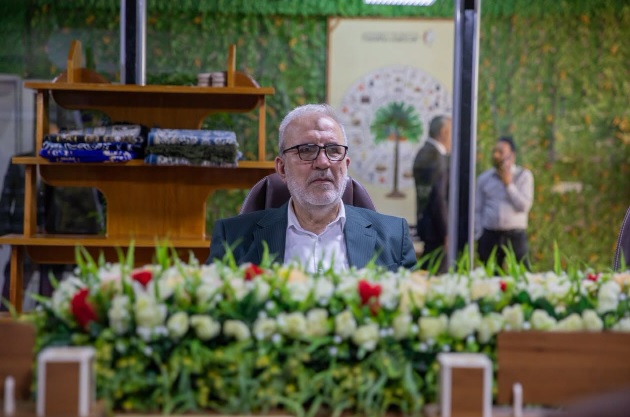
Secretary-General of the Imam Hussain Holy Shrine: Forum of Holy Shrine Secretaries-General serves as a beacon for reform and community service
Babylonian ruins and archaeological remains confirm the deep civilizational history of Karbala
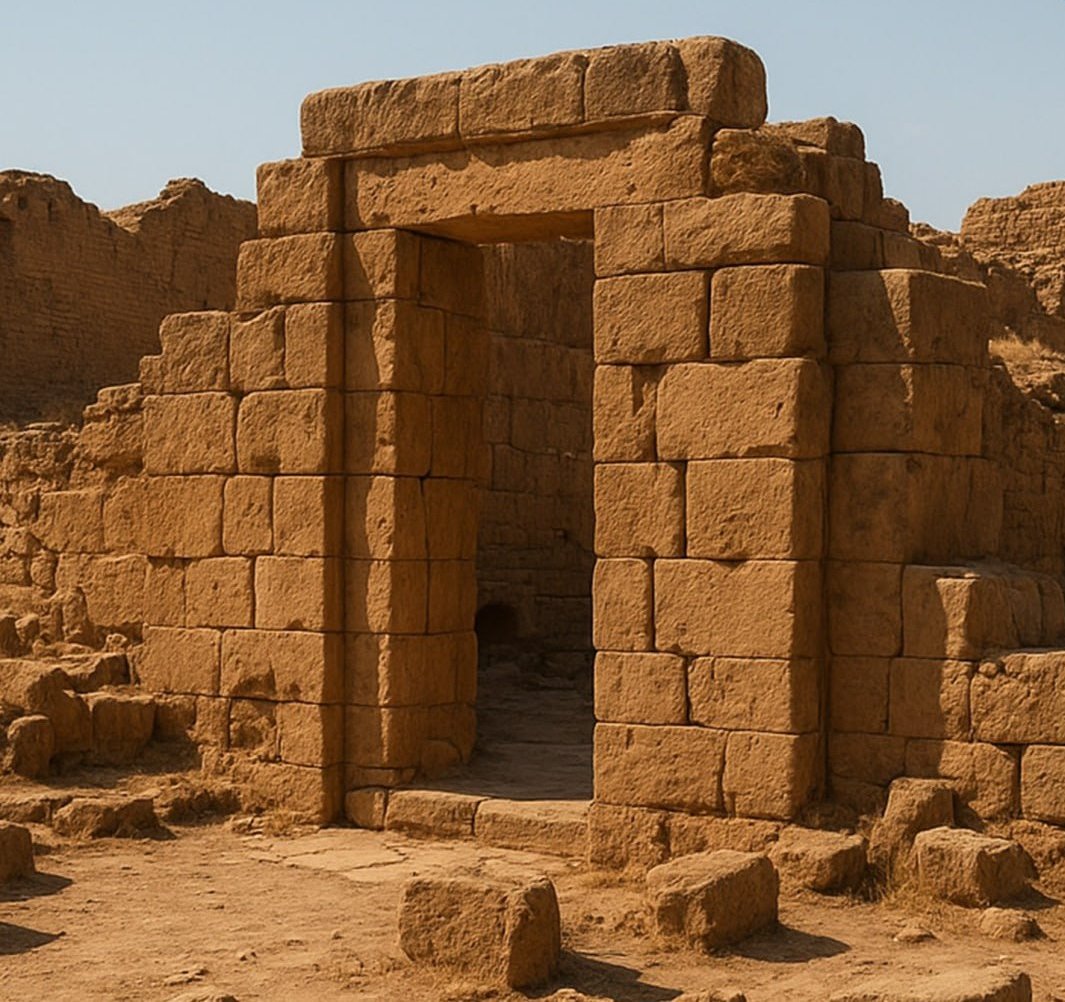
Holy Karbala, in its majestic tranquility, reveals historical layers that continue to pulse beneath its sands and hills. The archaeological evidence scattered throughout its surroundings represents living links in a long chain of civilizations that have flourished on this sacred land for thousands of years.
According to studies published in the Karbala Cultural Encyclopedia, issued by the Karbala Center for Studies and Research, numerous ancient caves and grottoes have been discovered, most notably the Al-Tar caves, along with the Al-Akwar hills, plateaus, and ruins that are currently under excavation. These landmarks point to early human settlements dating back to ancient times. The region’s location along the course of the ancient Euphrates River— which once flowed southward toward the Sea of Najaf—played a crucial role in the emergence of early agricultural villages. Over time, these villages developed into stable and enduring human settlements.
The encyclopedia cites historians who identify several significant ancient villages, including Ghadirat Bani Asad, Al-Aqar, and Southern Nineveh, the latter believed to have inherited its name from the era of civilizational prosperity in Northern Nineveh. In addition, the village of Shafiya, situated near present-day Karbala, is noted as an active settlement of its time. Together, these villages attest to sustained human activity across the region.
These discoveries are further reinforced by Karbala’s geographical proximity to the Ayn Al-Tamur area, which contains a wealth of archaeological remains and architectural vestiges. This proximity underscores Karbala’s longstanding role as an important human and cultural center since ancient times. The outskirts of the city—particularly the region surrounding Lake Razaza—are rich in significant historical landmarks, including Khan Al-Atshan (a caravanserai dating to the Persian occupation of Iraq), the Mujida Minaret, and Al-Uqaysir Church, one of the oldest Christian places of worship in the region.
In addition, remains of monasteries, churches, and other religious structures are scattered throughout the area, revealing a remarkable religious diversity that has existed since antiquity. Sources also indicate the presence of several unexcavated sites west of Karbala, believed to contain archaeological evidence capable of shedding further light on the region’s deep and multifaceted cultural heritage.