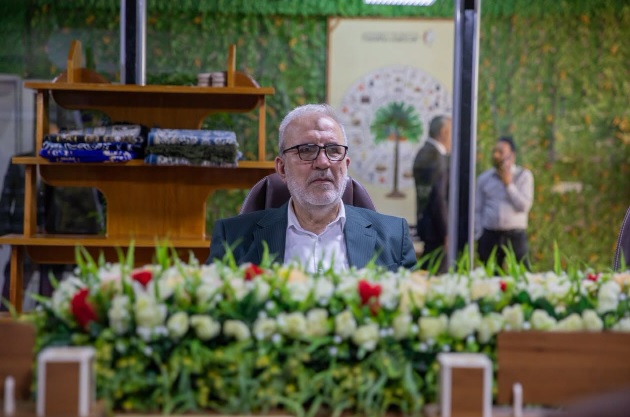
Secretary-General of the Imam Hussain Holy Shrine: Forum of Holy Shrine Secretaries-General serves as a beacon for reform and community service
Imam Hussain: A Beacon of Justice and Sacrifice
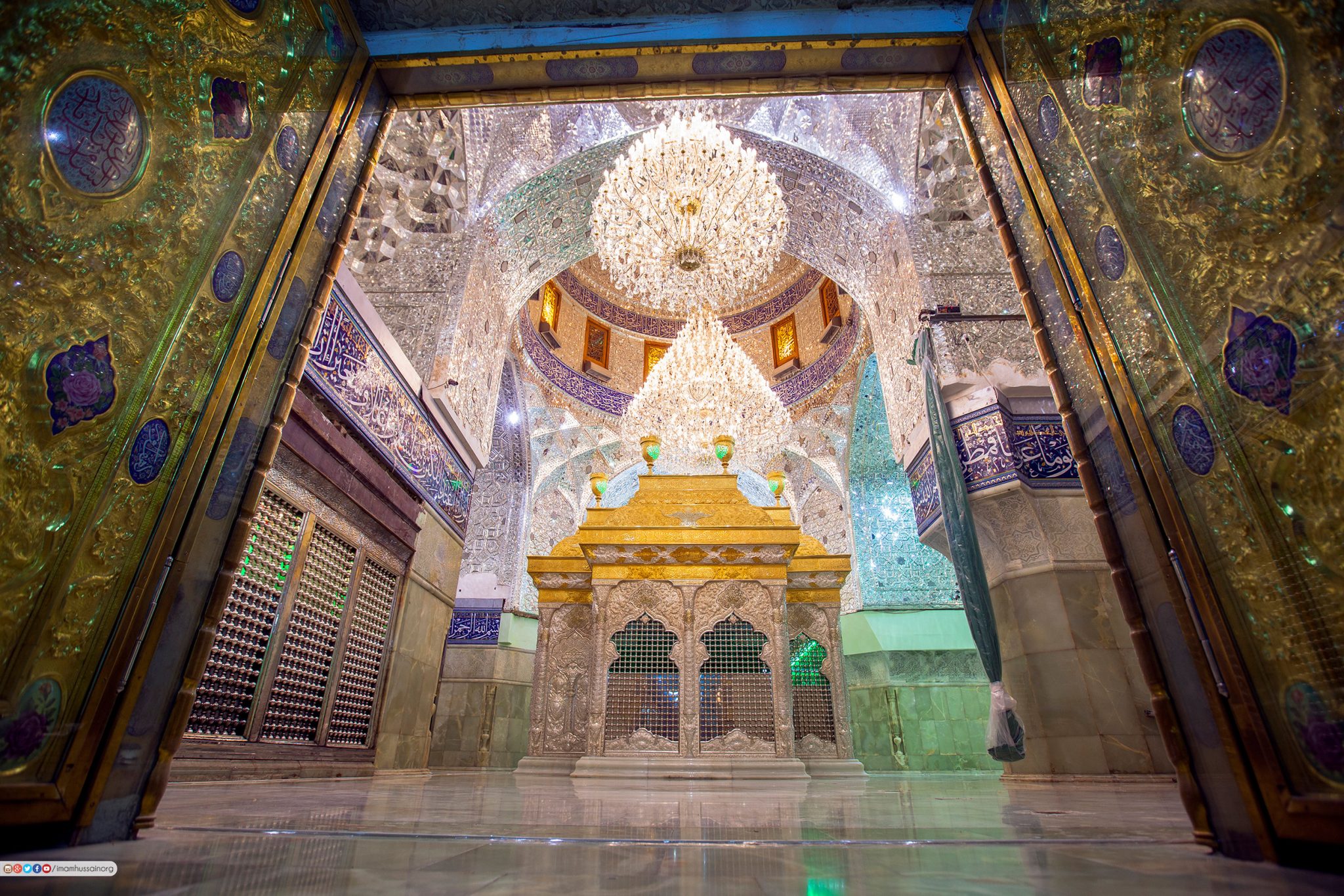
Imam Hussain ibn Ali (peace be upon him), the grandson of Prophet Muhammad (peace be upon him and his family), is one of the most revered and influential figures in Islamic history. His steadfast stand against oppression and his martyrdom at the Battle of Karbala in 680 CE continue to inspire millions around the world. His legacy extends far beyond Shia communities—leaders, scholars, and reformers from many cultures have drawn strength from his courage. His story is not solely one of tragedy, but of the triumph of truth over tyranny, making him an enduring symbol of justice, sacrifice, and resistance.
The Early Life of Imam Hussain
Born in Medina in January 626 CE to Imam Ali and Lady Fatima, the daughter of Prophet Muhammad, Imam Hussain was raised in an atmosphere of faith, devotion, and moral excellence. From his earliest years, he was known for his wisdom and commitment to Islamic values.
Alongside his elder brother, Imam Hasan, he was nurtured under the direct care of the Prophet, who expressed deep love for his grandsons. The Prophet’s famous saying, “Hussain is from me, and I am from Hussain,” reflects both their spiritual closeness and Imam Hussain’s future role in preserving the message of Islam.
After the martyrdom of his father, Imam Ali, and later the poisoning of Imam Hasan by the Umayyads, Imam Hussain became the leader of the Ahlulbayt—the Prophet’s family. He lived under the rule of Muawiya, who had seized leadership after a peace treaty with Imam Hasan meant to prevent further bloodshed. But upon Muawiya’s death in 680 CE, his son Yazid sought to secure his rule by demanding allegiance from Imam Hussain.
The Stand Against Tyranny
Imam Hussain refused Yazid’s demand, recognizing him as an unjust and immoral ruler whose leadership threatened the integrity of Islam. This marked the beginning of Hussain’s monumental stand.
He departed Medina with his family and a small group of supporters, heading toward Kufa, whose people had invited him to lead them. However, Yazid’s forces intercepted him and forced him to halt on the plains of Karbala.
On the 10th of Muharram—Ashura—Imam Hussain and his 72 loyal companions faced an army of more than 30,000 soldiers. Despite being cut off from water for three days and vastly outnumbered, they fought with unmatched courage and steadfast conviction. Imam Hussain was martyred along with his companions, while the surviving members of his family, including his son Imam Zain al-Abideen and the women of the Prophet’s household, were taken captive and paraded to Yazid’s court in Damascus.
The Global Impact of Imam Hussain’s Sacrifice
The martyrdom of Imam Hussain is not merely a historical moment—it is a universal lesson in standing against injustice, regardless of the cost. His sacrifice has inspired countless movements for justice across the world.
Mahatma Gandhi, who admired Imam Hussain’s moral courage, famously said, “I learned from Hussain how to achieve victory while being oppressed.” Even during his Salt March, Gandhi symbolically chose 72 companions, mirroring the 72 martyrs of Karbala.
Imam Hussain’s Relevance Today
Imam Hussain’s message remains deeply relevant in today’s global struggles for justice, human dignity, and freedom from tyranny. Every year, millions of Muslims commemorate Ashura through mourning rituals, charity, gatherings, and reflections on his values.
Within Sunni Islam as well, the tragedy of Karbala is recognized as a profound injustice, and many Sunni scholars regard Imam Hussain as a righteous leader and martyr.
Imam Hussain’s mission transcends time, geography, and sectarian boundaries. His stand at Karbala was not for personal power or for the sake of his own followers—it was for the preservation of Islam’s core principles: justice, righteousness, and unwavering faith.
In a world still confronting oppression and moral challenges, Imam Hussain’s legacy endures as a powerful beacon of hope, courage, and inspiration.
Source: Taghrib