Karbala hosts fifth Al-Aqsa Call International Conference
Iraq marks the 12th anniversary of the Speicher Massacre: Justice efforts and post-conflict challenges
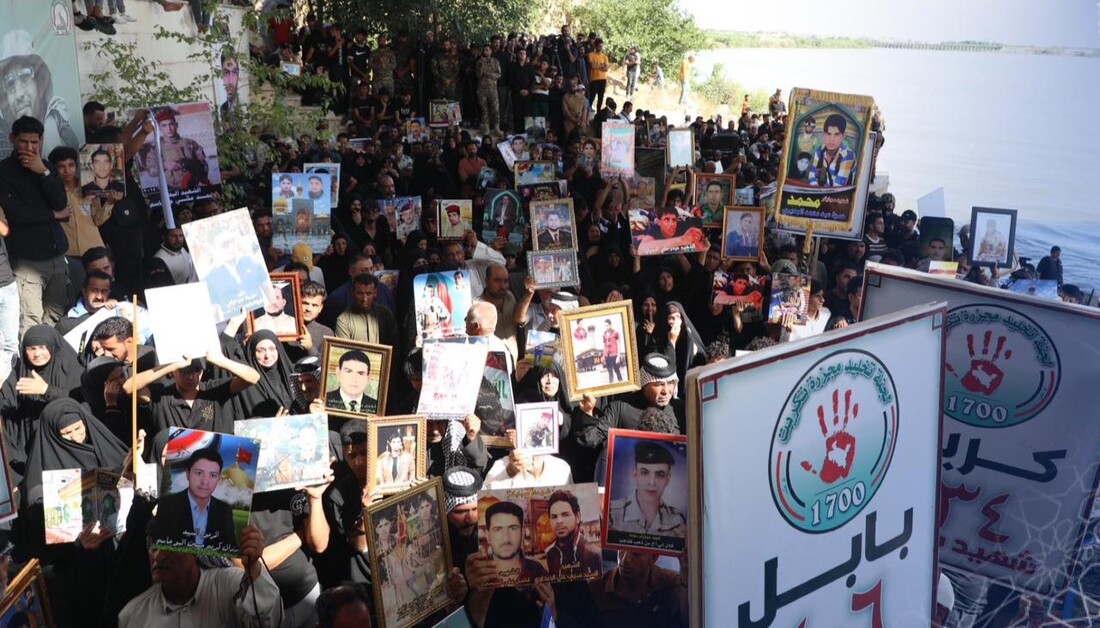
This month, Iraq commemorates the 12th anniversary of the Camp Speicher massacre, one of the deadliest atrocities committed during the 2014 conflict with ISIS.
As official institutions, civil society organizations, and victims' families observe the occasion, the pursuit of accountability and the continued identification of victims remain key components of Iraq’s transitional justice process.
Background
In June 2014, amid ISIS’s rapid territorial expansion across northern and western Iraq, Camp Speicher—a military installation near Tikrit, the capital of Salah Al-Din Governorate—became the site of a mass abduction and execution campaign targeting Iraqi military cadets.
According to official estimates and human rights organizations, approximately 1,700 cadets were killed. The massacre has since been recognized by both Iraqi and international bodies as a crime against humanity and remains one of the most significant war crimes committed during the conflict.
The Pursuit of Justice
Over the past twelve years, Iraqi authorities have undertaken a series of judicial and security measures aimed at holding those responsible accountable.
Judicial Proceedings
Iraqi courts have issued numerous death sentences and prison terms against individuals convicted of participating in the planning, execution, or incitement of the massacre. Authorities continue to pursue additional suspects linked to the crime.
International Cooperation
Iraqi security institutions have also worked with Interpol and international partners to track and apprehend suspects who fled the country, reflecting ongoing efforts to prevent perpetrators from evading justice.
The Mass Graves and Identification Process
The search for victims remains an active and complex undertaking. Specialized teams, working in coordination with the Martyrs Foundation and the Ministry of Health, continue excavation efforts at mass grave sites discovered near the former presidential palaces in Tikrit.
The identification of remains through DNA analysis remains a significant technical and logistical challenge. Authorities continue to work toward matching recovered remains with missing persons records, enabling families to receive official confirmation and proper burial of their loved ones.
National Significance
Beyond its legal dimensions, the Speicher massacre occupies a central place in Iraq’s collective memory. Many observers regard the tragedy as a defining moment in the country’s modern history, particularly because it targeted members of the Iraqi armed forces during a period of profound national crisis.
Despite the political and sectarian divisions that characterized the era, the pursuit of justice for the victims has largely enjoyed broad national support. Analysts argue that accountability in the Speicher case is essential not only for honoring the victims but also for strengthening public trust in state institutions and reinforcing long-term social cohesion.
They further emphasize the importance of preserving historical records and documenting the facts of the massacre as safeguards against future atrocities.
Looking Ahead
The twelfth anniversary serves as a reminder that the pursuit of justice remains unfinished. Families of the victims, human rights advocates, and public officials continue to call for the completion of investigations, the identification of all missing victims, and comprehensive support for affected families.
As Iraq continues its post-conflict recovery, the Speicher massacre remains both a symbol of the country's suffering and a test of its commitment to accountability, reconciliation, and the rule of law.