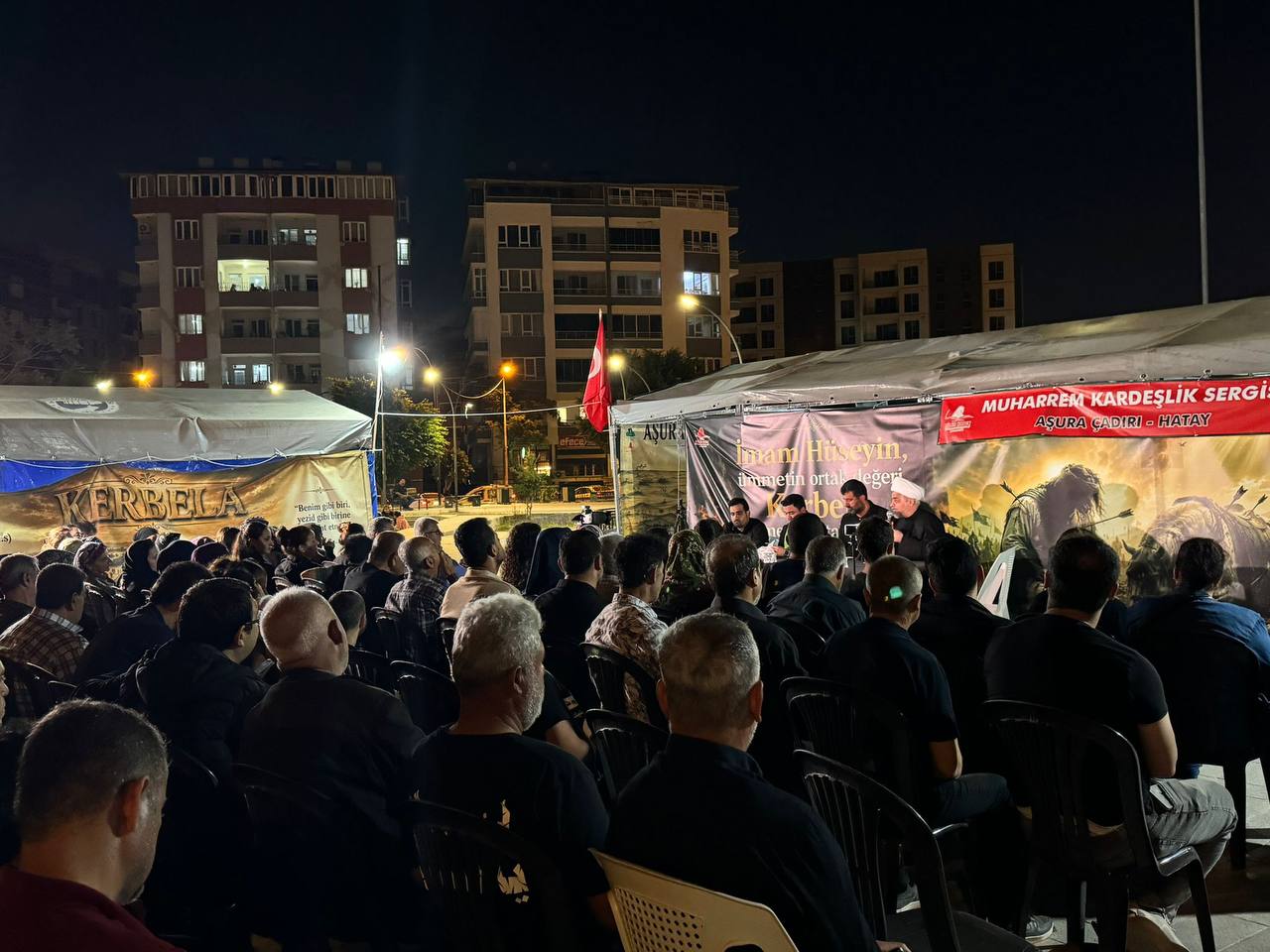
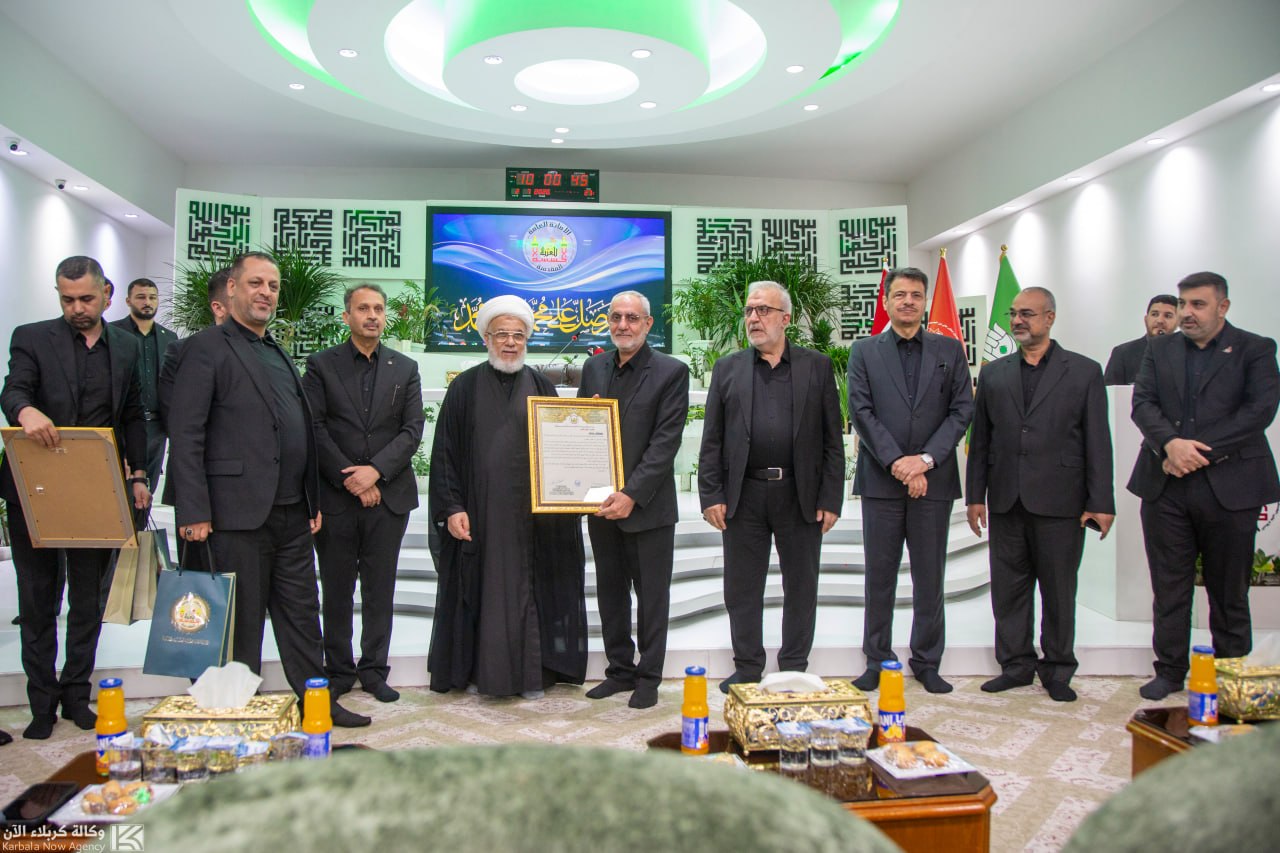
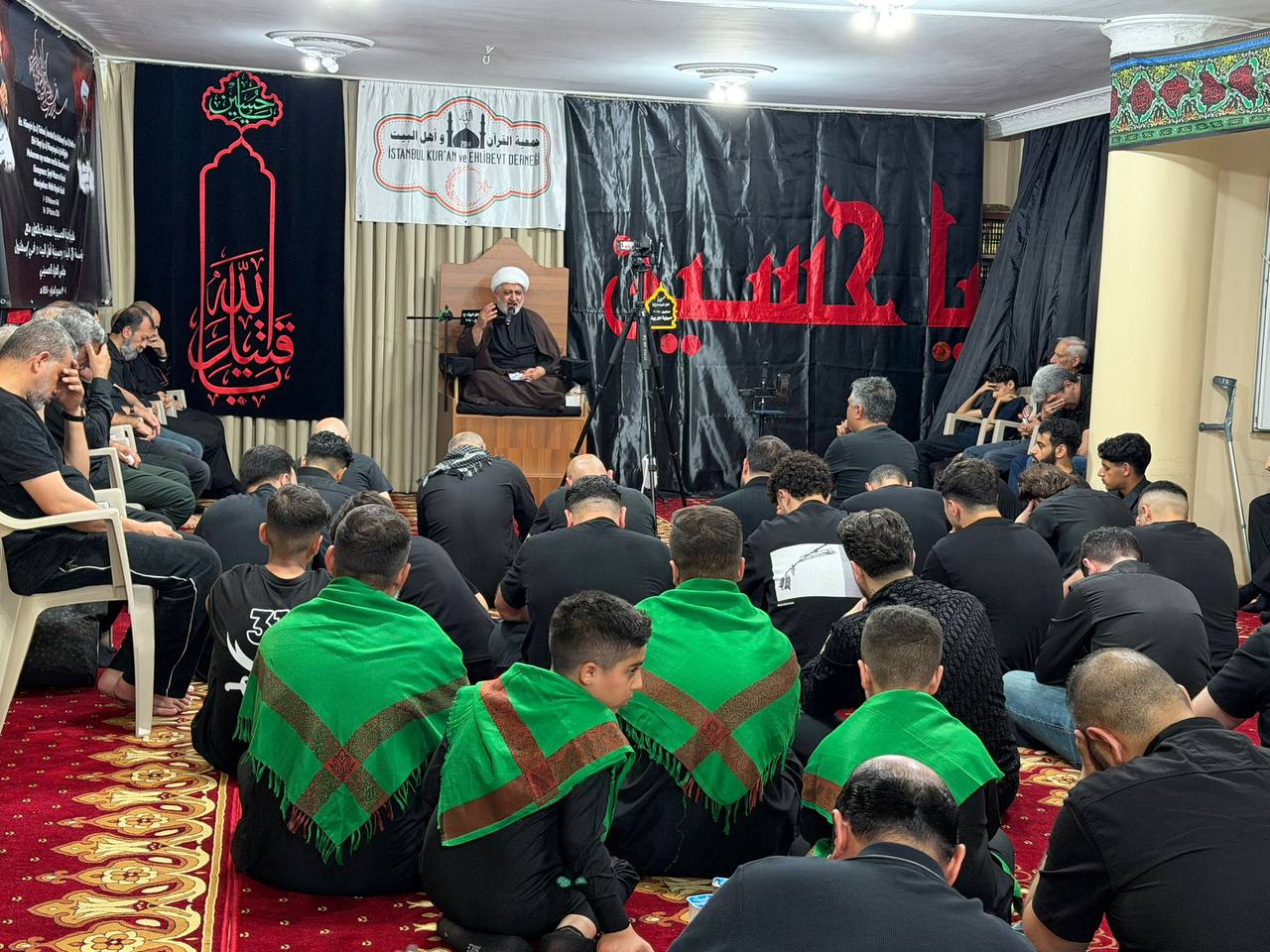
العتبة الحسينية توسّع حضورها في تركيا.. وهاتاي المنكوبة بالزلزال تشهد الملتقى الحسيني السنوي كتظاهرة دينية لأول مرة في تاريخها
From home libraries to the Imam Hussain Shrine Library: The enduring journey of the book in Iraq
Editorial Team
In an era where smartphones and tablets serve as rapid gateways to millions of books and reference materials, many Iraqis remain committed to the habit of acquiring print books. They view the book not merely as a means for knowledge, but as an integral part of personal, familial, and cultural memory. Amidst the shelves of home libraries and the bustling book markets that continue to draw thousands of visitors, the print book maintains its presence despite the rapid pace of digital transformation.
Across cities like Baghdad, Najaf, Karbala, Basra, and Mosul, few homes are without a small library or a dedicated reading corner. Some house dozens of volumes, while others contain thousands of titles amassed over many years—standing as testaments to their owners' intellectual journeys and their scholarly or literary interests.
An Identity Passed Down Through Generations
A book collector in Baghdad remarks: "The print book offers a completely different experience; the scent of the paper, the turning of pages, and the notes I jot down in the margins—all of this makes reading feel deeply personal. That is why I keep every book I acquire, even after I have finished reading it."
Cultural observers note that the home library in Iraq has evolved beyond a mere storage space for books; it has become a component of the family’s identity. Many parents make a concerted effort to pass their libraries on to their children, transforming the books into a cultural legacy that reflects the family's history and intellectual interests.
The significance of home libraries extends beyond the act of reading itself; they play a vital role in preserving the family's cultural memory. Many private libraries house old editions, manuscripts, and owner-annotated margins—items that, over time, evolve into documents chronicling an intellectual journey spanning decades.
The Iraqi House of Books and Documents emphasizes the importance of preserving personal libraries due to their scholarly and heritage value, noting that some contain rare books and documents unavailable in many public libraries.
The Heart of Iraqi Culture
Despite the proliferation of digital reading platforms, Al-Mutanabbi Street in Baghdad retains its status as the cultural heart of Iraq. Every Friday, thousands of visitors flock there to purchase new and used books and to attend seminars and intellectual events that transform the street into an open space for dialogue and culture.
A Scholarly Institution Serving Researchers
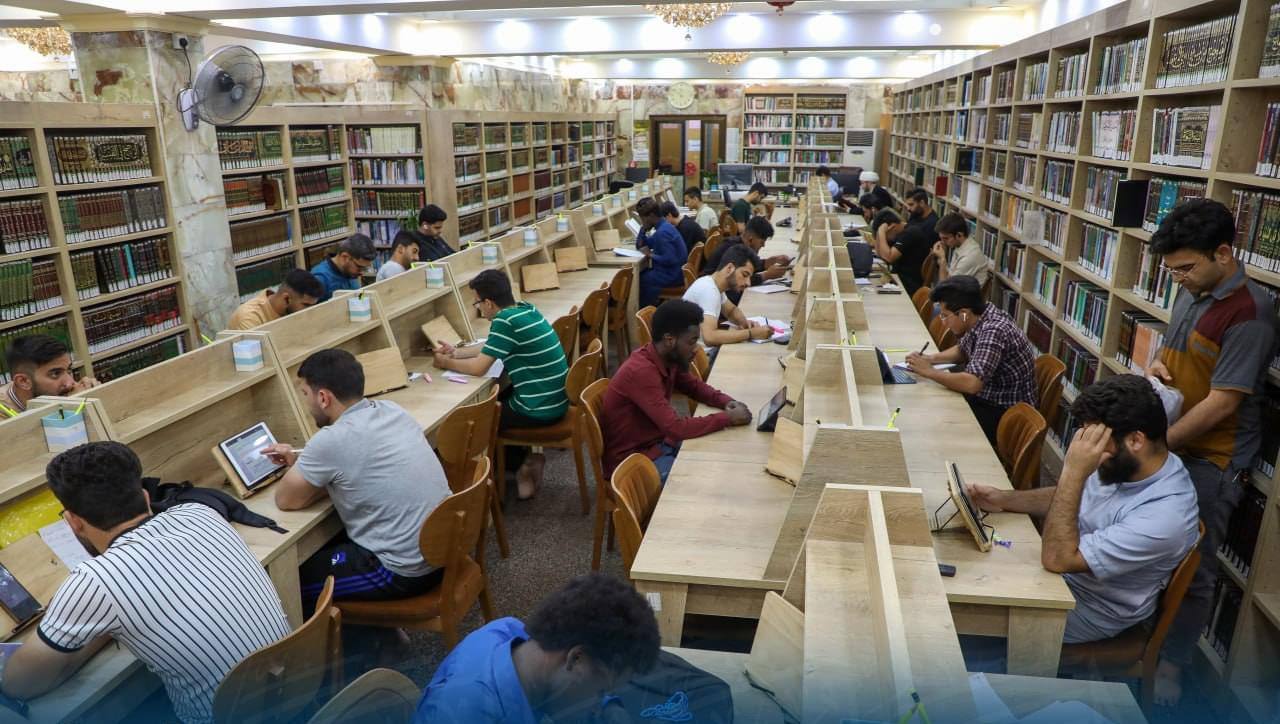
The presence of the printed book is not limited to the home; it also extends to cultural and scientific institutions that continue to enhance their services for researchers and students—foremost among them being the Library of the Holy Shrine of Imam Al-Hussein in Karbala. Data from the Imam Hussain Holy Shrine indicates that the library, in its modern form, was established in 2004, though its roots trace back to a historic library that later evolved into a specialized center for preserving books and manuscripts.
Today, the library houses approximately 60,000 titles across various disciplines—including Islamic studies, Quranic sciences, jurisprudence, Hadith, and Arabic language—alongside thousands of academic works in medicine, engineering, the humanities, and administration. This diverse collection has established it as one of Iraq's premier research libraries.
The library also offers a range of services, including well-equipped reading rooms, lending and photocopying facilities, an electronic library, and internet access for research purposes, all within a quiet, scholarly environment.
To enrich its holdings, the library administration actively participates in Arab and international book fairs—such as those in Sharjah, Cairo, Beirut, and Tehran—aiming to acquire the latest scholarly and academic publications required by researchers and Iraqi universities.
Specialists view these efforts as a testament to the continued investment in print-based knowledge, noting that Iraqi libraries do more than merely preserve books; they contribute to supporting scientific research, disseminating culture, and serving the community.
Technology: Competitor or Partner?
Although accessing books via the internet has never been easier, many Iraqi readers still prefer to own physical copies—even after downloading digital versions. They feel that owning a physical book fosters a unique connection and ensures the book remains in their possession, independent of the volatility of digital platforms.
Social media has also played a role in encouraging reading; the proliferation of book clubs and cultural reviews has motivated many young people to purchase books after discovering them online.
In recent years, the home library has evolved into an element... It has become a staple of Iraqi home design; no longer merely a cabinet tucked away in a closed-off room, it is now often integrated into the living room or home office, reflecting the homeowners' appreciation for culture and knowledge.
Sociologists emphasize that the presence of books in the home has a positive impact on children, encouraging a love of reading while providing a space for tranquility and reflection—an antidote to the excessive use of electronic devices.
Despite the digital revolution that has transformed how we access information, the printed book retains a firm place in Iraqi society. From home library shelves to the reading halls of cultural institutions, Iraqis continue to invest in books as vessels of knowledge and repositories of generational memory.
Thus, the home library is far more than a mere collection of books; it is a space that preserves family history and reflects the owners' identity. It stands as a testament to the enduring role of reading in daily life, affirming that—no matter how technology advances—the printed book remains a guardian of memory and an eternal companion to those who seek knowledge.
Booksellers report that the demand for print books has not declined as anticipated with the rise of technology; instead, the nature of the readership has shifted. Many young people now discover books via social media before seeking out print copies in the marketplace.
Despite the rapid growth of e-books, UNESCO affirms that reading in all its forms is a cornerstone of building societies and fostering education. Academic studies also indicate that reading print books enhances comprehension and information retention—particularly with long texts—compared to reading on screens.
The International Federation of Library Associations and Institutions (IFLA) notes that libraries continue to play a vital role in preserving and providing access to knowledge. It emphasizes that digital transformation does not diminish the importance of the printed book but rather fosters complementarity between traditional and modern methods of accessing information.
آخر ما تم نشره