الزراعة : تحديد مواقع الأراضي التي ستوزع بين المواطنين سيكتمل خلال العام الحالي
UNESCO mission stresses importance of supporting archaeological sites to promote tourism in Iraq
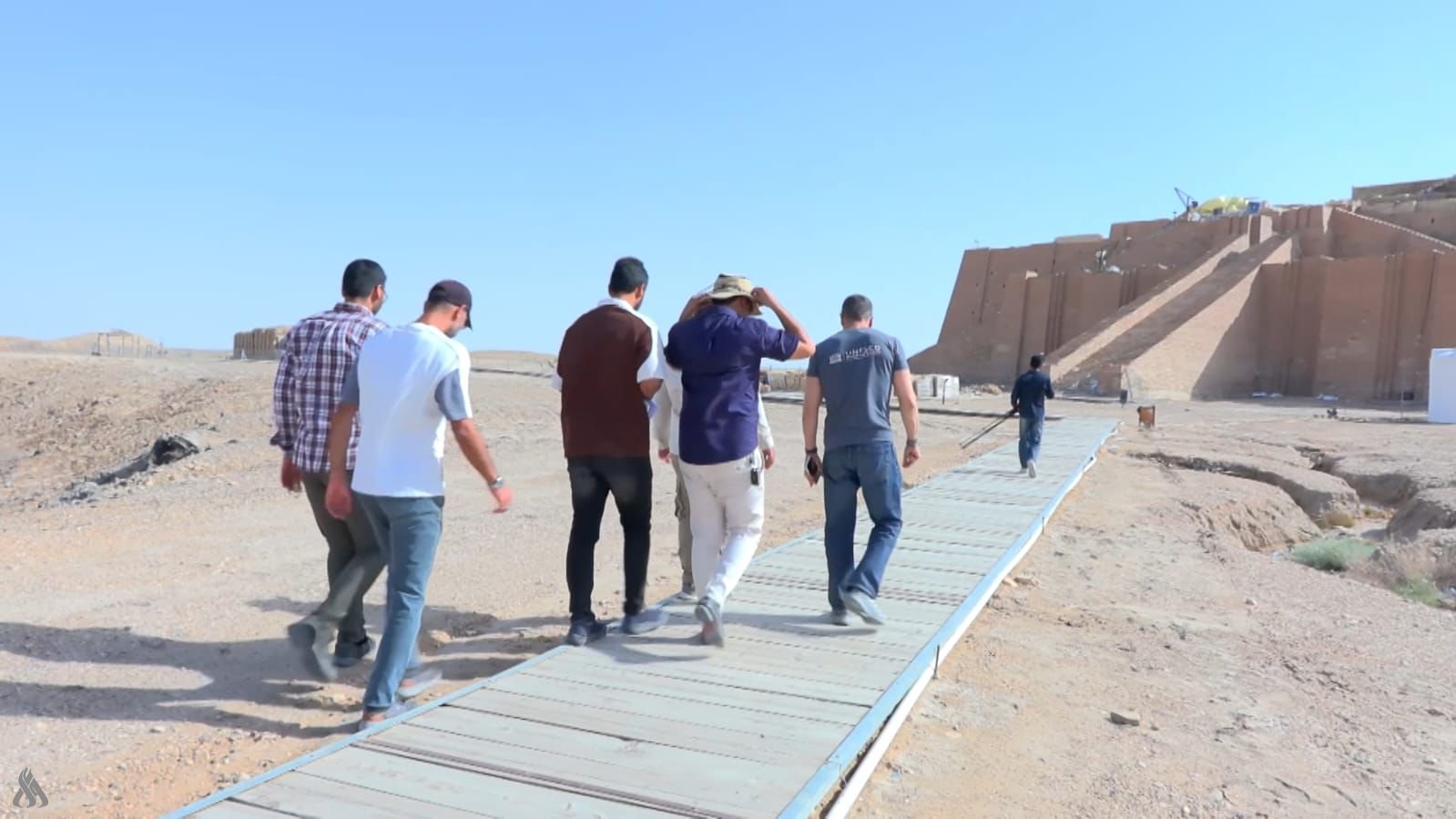
The UNESCO Mission in Iraq has emphasized the importance of supporting and investing in the country’s archaeological and heritage sites as a means of promoting tourism, diversifying the economy, and creating employment opportunities. Meanwhile, the Thi Qar Antiquities Inspectorate expressed its readiness to expand cooperation with the international organization in developing World Heritage sites across the governorate.
During a visit to several archaeological landmarks, Alexandros Makarigakis, Head of the UNESCO Mission in Iraq, stated that, as the organization’s newly appointed representative in the country, he considered it essential to visit these globally significant heritage sites firsthand. He explained that the purpose of the visit was to assess their current condition and identify ways UNESCO could support Iraq in preserving its rich cultural heritage while utilizing it to strengthen tourism, economic development, and job creation.
For his part, Haider Al-Amiri, Deputy Director of the Thi Qar Antiquities Inspectorate, welcomed the UNESCO delegation and affirmed the commitment of both the Thi Qar Department of Antiquities and the Inspectorate to strengthening cooperation with the organization.
He noted that UNESCO had expressed its readiness to support and oversee the development of World Heritage sites within the governorate, including Eridu, the ancient city of Ur, the Central Marshes, and the Hammar Marshes.
Al-Amiri added that the Head of the UNESCO Office in Iraq also expressed willingness to facilitate the arrival of foreign archaeological missions to conduct excavation work at key heritage sites. The delegation visited the ancient cities of Ur and Eridu, in addition to the Marshes region.
Kazem Hassoun, an official from the Thi Qar Heritage and Antiquities Inspectorate who accompanied the delegation, explained that the visit included an inspection of ongoing maintenance and restoration work at the Ziggurat of Ur, as well as an assessment of the challenges facing the ancient city.
He pointed out that sudden climatic changes have caused structural damage and collapses in several archaeological buildings, underscoring the urgent need for continued preservation efforts.
Hassoun described the visit as an important and supportive step for Iraq’s antiquities and heritage sector, particularly given UNESCO’s prominent role in preserving cultural heritage and revitalizing archaeological sites both in Iraq and internationally.
He also expressed hope that UNESCO would contribute to the training of Iraqi archaeologists, especially in the fields of ancient languages and heritage conservation, in addition to supporting efforts to recover smuggled Iraqi antiquities.
Hassoun concluded by emphasizing that Thi Qar looks forward to expanding both technical and institutional cooperation with UNESCO in ways that strengthen the protection of Iraq’s cultural heritage and serve the broader public interest.
آخر ما تم نشره