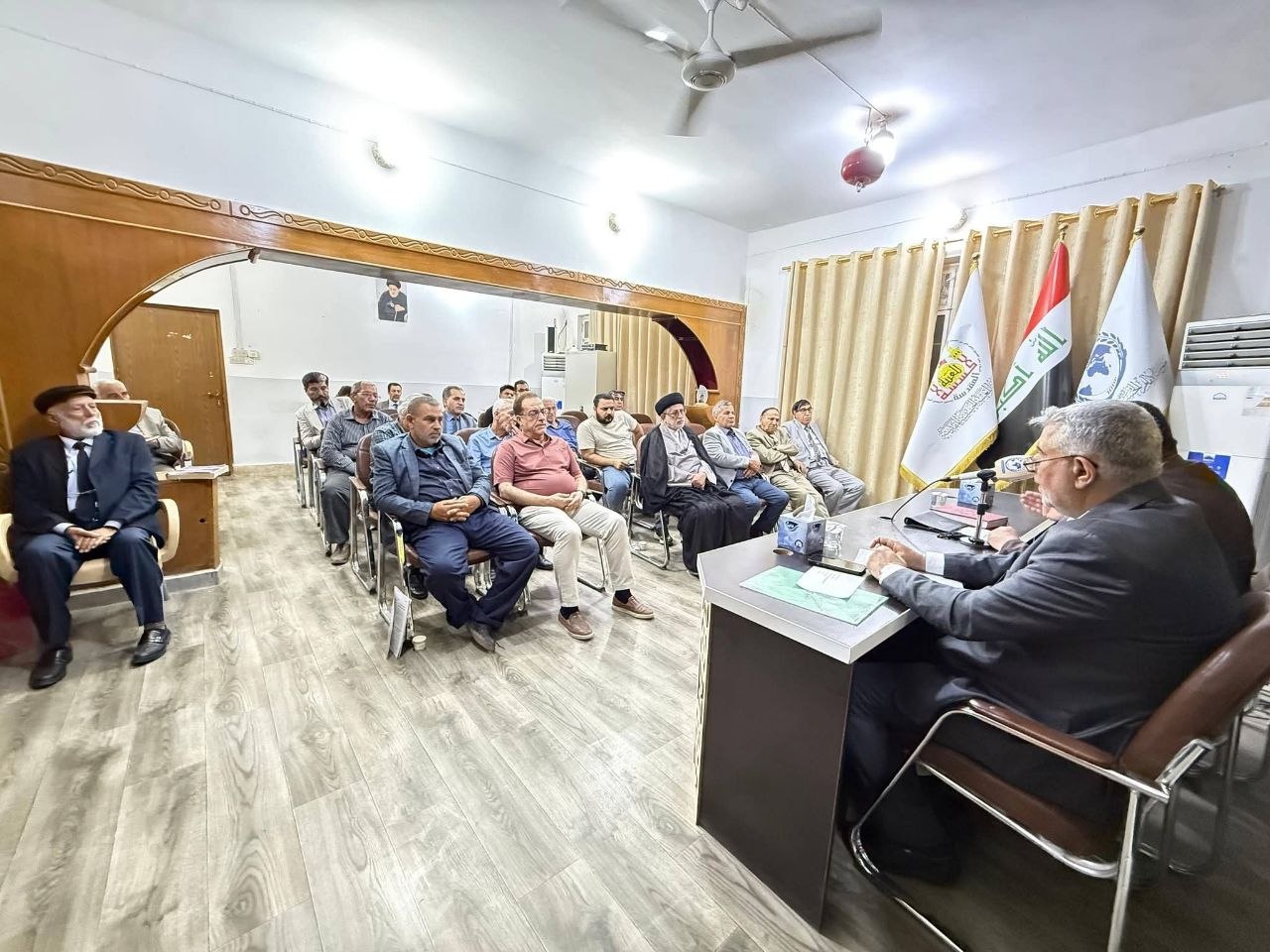
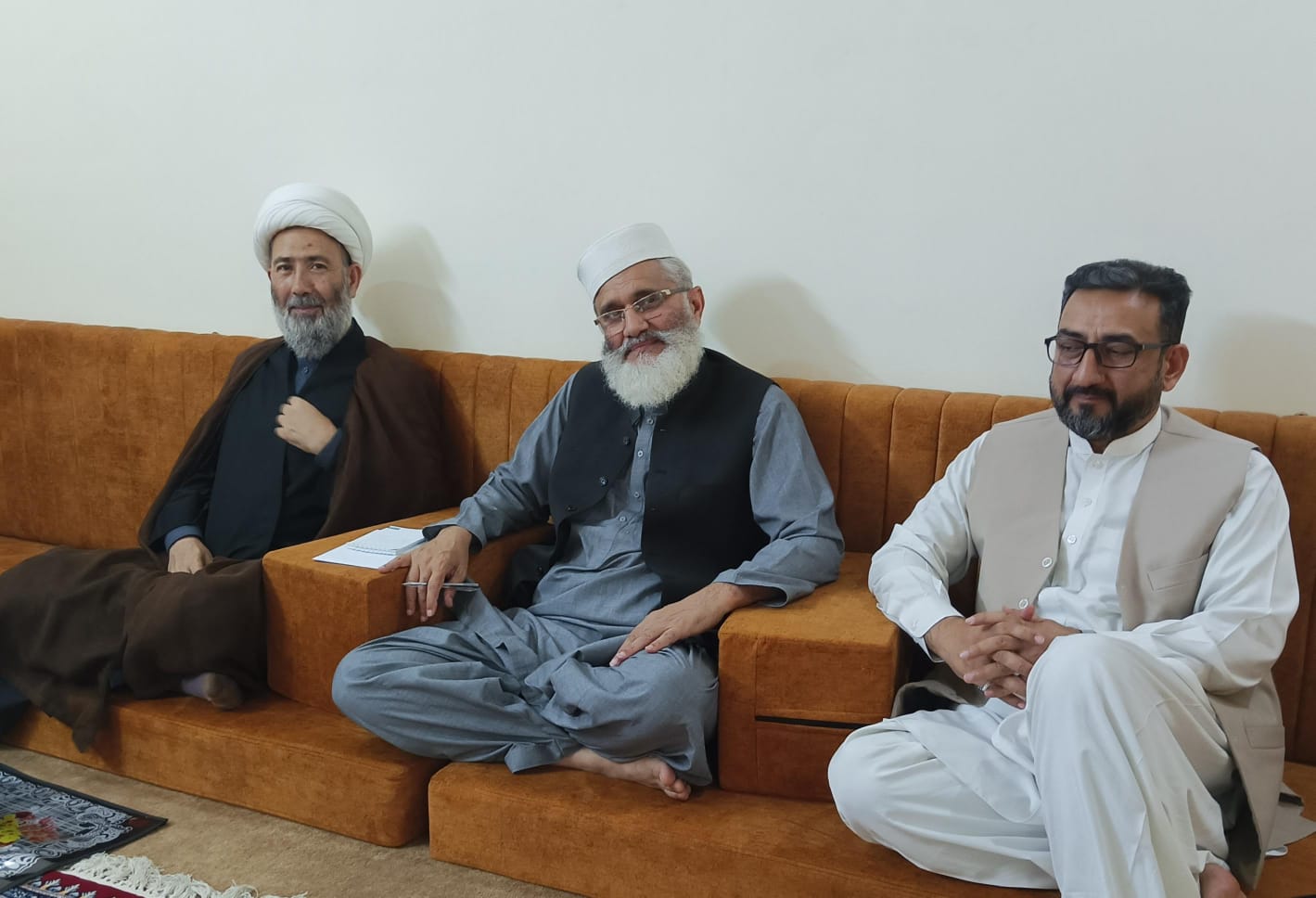
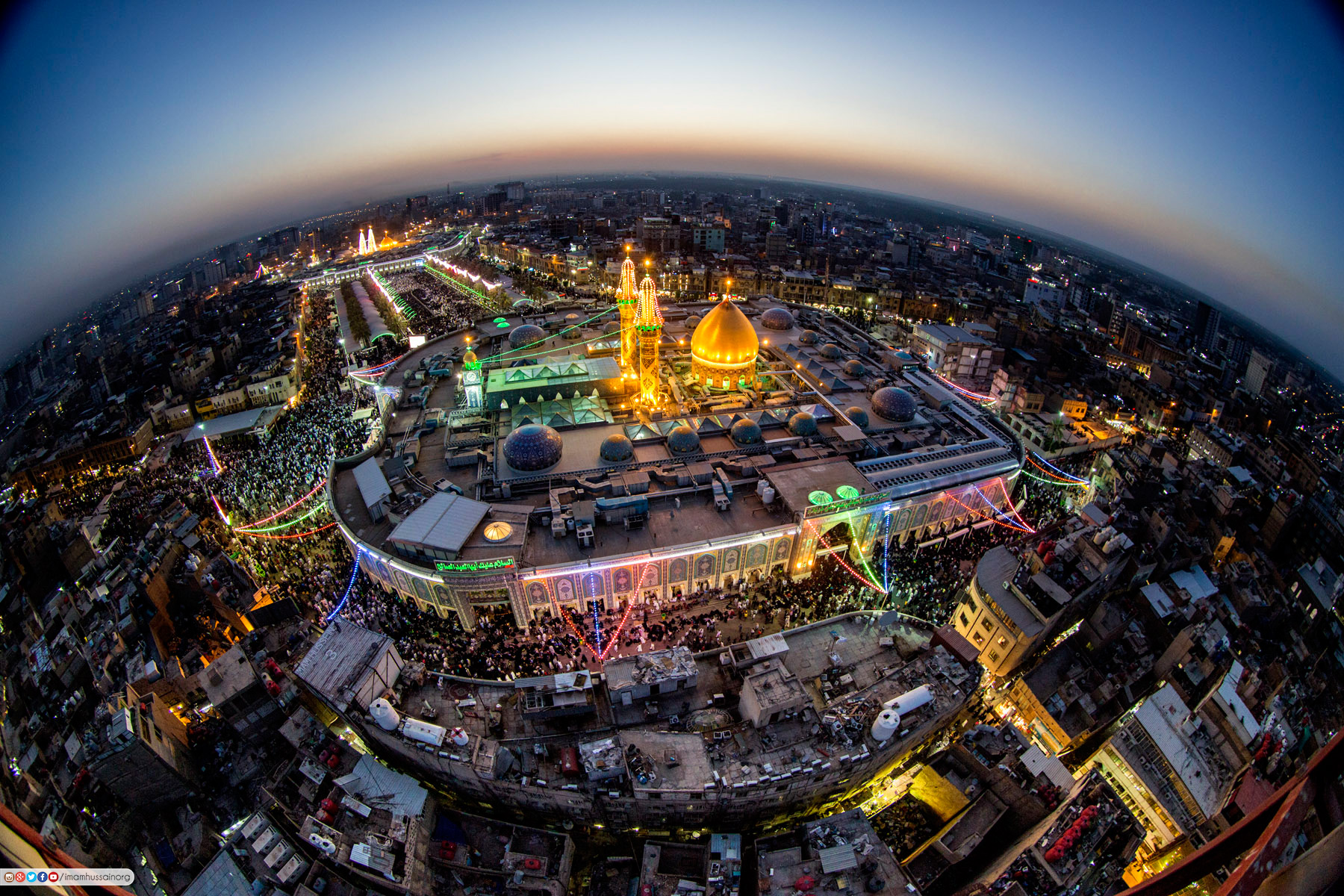
الامام الجواد عليه السلام ومعاني الإمامة المبكرة
International health emergency declared after Ebola outbreak in Congo and Uganda
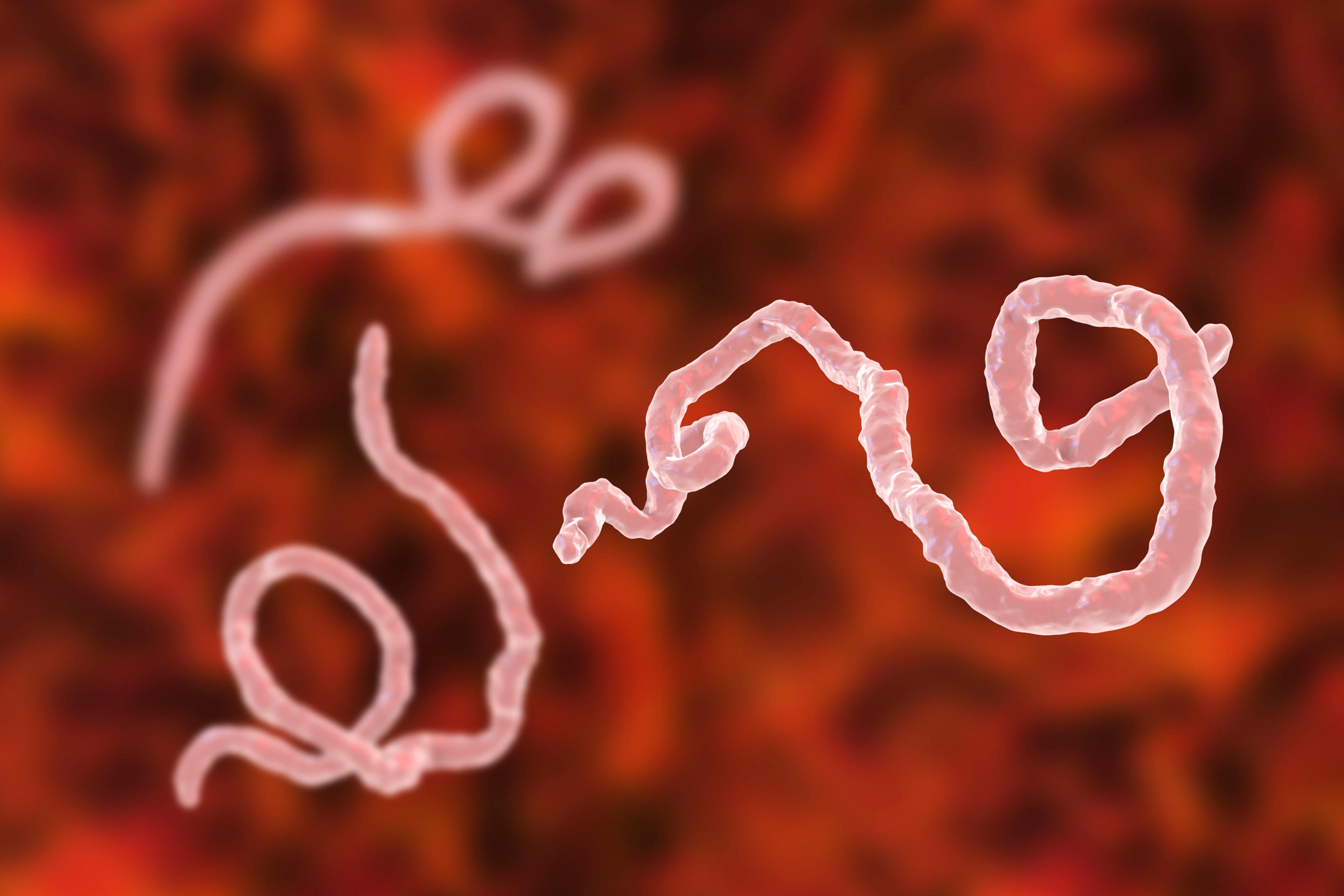
The World Health Organization (WHO) announced on Sunday a public health emergency of international concern following an outbreak of the Ebola virus in the Democratic Republic of the Congo (DRC) and Uganda.
WHO Director-General Tedros Adhanom Ghebreyesus said the outbreak—caused by the Bundibugyo strain of the virus—requires heightened preparedness among neighboring countries and increased international support. He stressed, however, that the situation has not yet reached the level of a global pandemic emergency.
According to the WHO, health authorities in the DRC have confirmed eight laboratory-confirmed cases, along with 246 suspected cases and 80 suspected deaths in Ituri province in the country’s east. The outbreak has affected at least three health zones in the province, which borders Uganda and South Sudan.
The organization also reported that Uganda recorded two confirmed Ebola cases in Kampala on May 15 and 16, 2026, including one fatality. Both infected individuals had recently traveled from the DRC, although officials have not yet established a direct epidemiological link between the two cases.
Ebola is a highly contagious and often deadly disease transmitted through direct physical contact and exposure to infected bodily fluids. Germany’s Robert Koch Institute states that the mortality rate can reach as high as 90% without immediate medical treatment.
The devastating West African Ebola outbreak of 2014–2015, which claimed more than 11,000 lives, remains one of the deadliest epidemics in modern history. The most recent Ebola outbreak in the DRC occurred last September in Kasai province, where 45 people died. It marked the country’s sixteenth recorded Ebola outbreak since the virus was first identified in 1976.
آخر ما تم نشره