القطب الجنوبي يذوب.. تيارات دافئة عميقة تغير مسارها
Turkey increases water releases toward Iraq
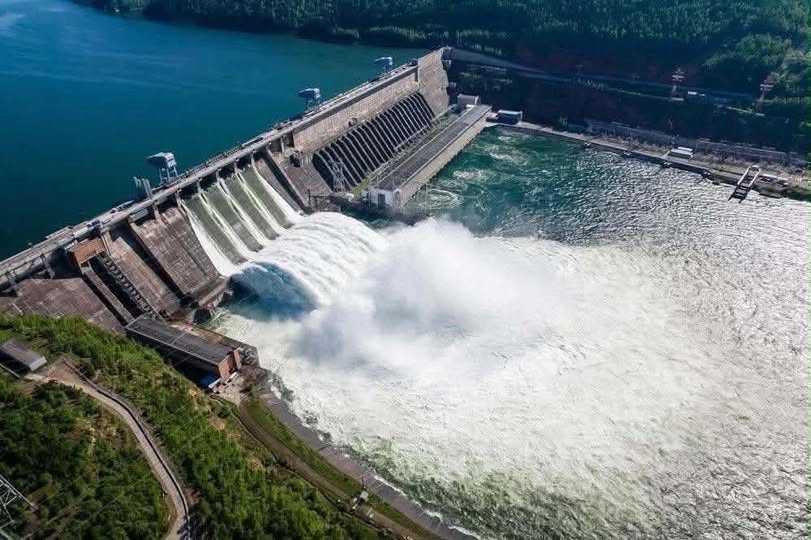
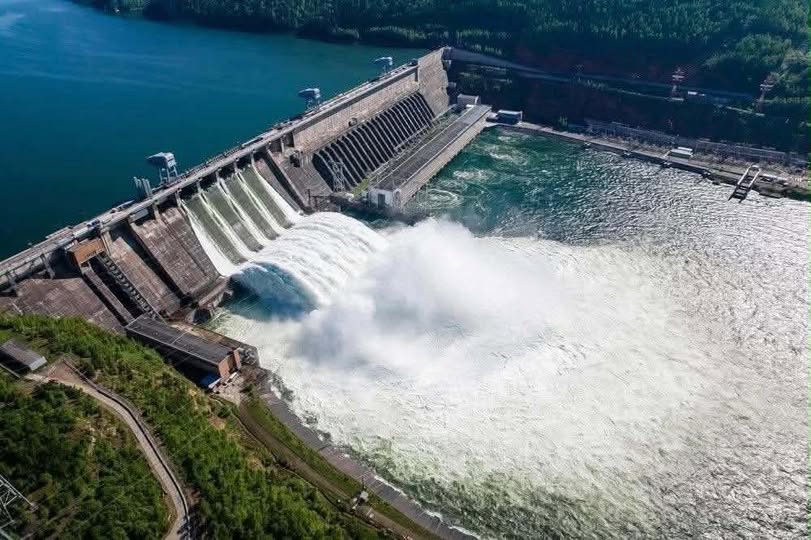
The “Green Iraq” Observatory has announced that Iraq is expected to receive approximately 40 billion cubic meters of water this June. In a press statement, the Observatory explained that the influx will result primarily from seasonal snowmelt in Turkey, which is now filling its dams to maximum capacity.
According to the Observatory, Turkish reservoirs have reached their storage limits, prompting the release of surplus water downstream into Iraq. It stressed the importance of managing this influx effectively, noting that such favorable hydrological conditions—driven by abundant rainfall—may not occur again for several years.
The statement also highlighted inefficiencies in Iraq’s water management system, where irrigation efficiency is estimated at only 35–40 percent due to outdated techniques and poor maintenance. In contrast, Turkey achieves efficiency rates of around 90 percent, reflecting its treatment of water as a critical national resource.
This year’s increased water flow has been attributed to heavy rainfall across river basins and elevated snowpack levels. As a result, significant inflows have been recorded in the upper Tigris River, both upstream and downstream of the Ilisu Dam, as well as upstream of the Mosul Dam. Additional contributions are coming from the Upper and Lower Zab rivers, feeding into the Dokan Dam, along with inflows to the Hamrin and Adhaim dams. Excess water upstream of the Samarra Barrage is also being diverted into Lake Tharthar.
The Observatory concluded that rising water levels in Iraq’s dams, reservoirs, and Lake Tharthar are expected to reach high capacities, potentially allowing water to be delivered to the Euphrates basin through gravity flow, reducing reliance on pumping systems.
آخر ما تم نشره