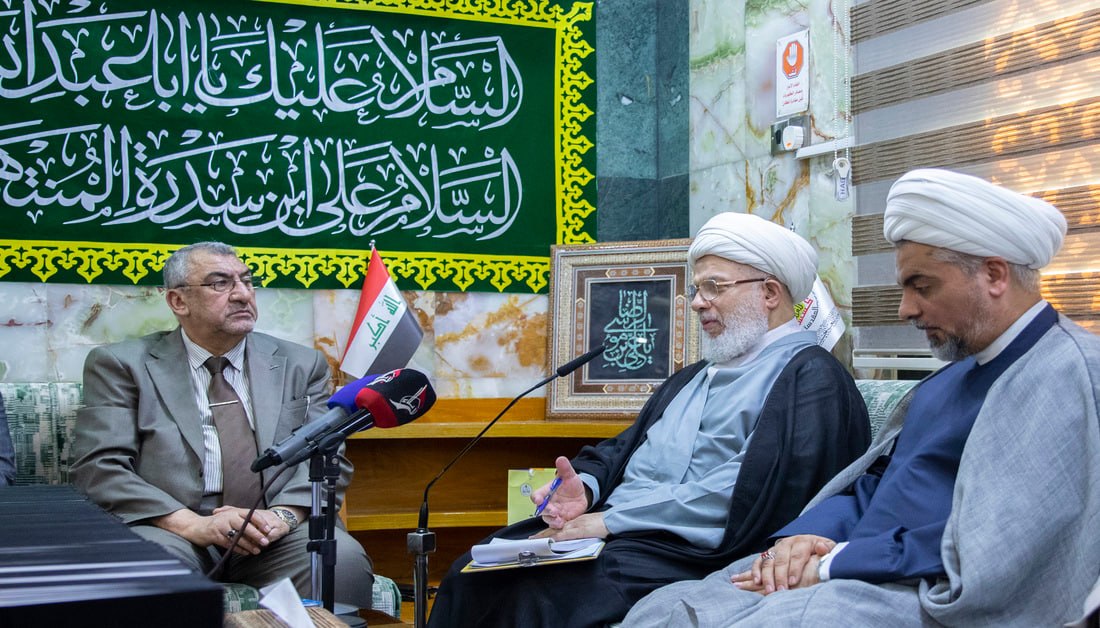
Sheikh Al-Karbalaey: Documenting Al-Qaeda and ISIS Crimes is a race against time
Five Things to Know About Karbala, Iraq
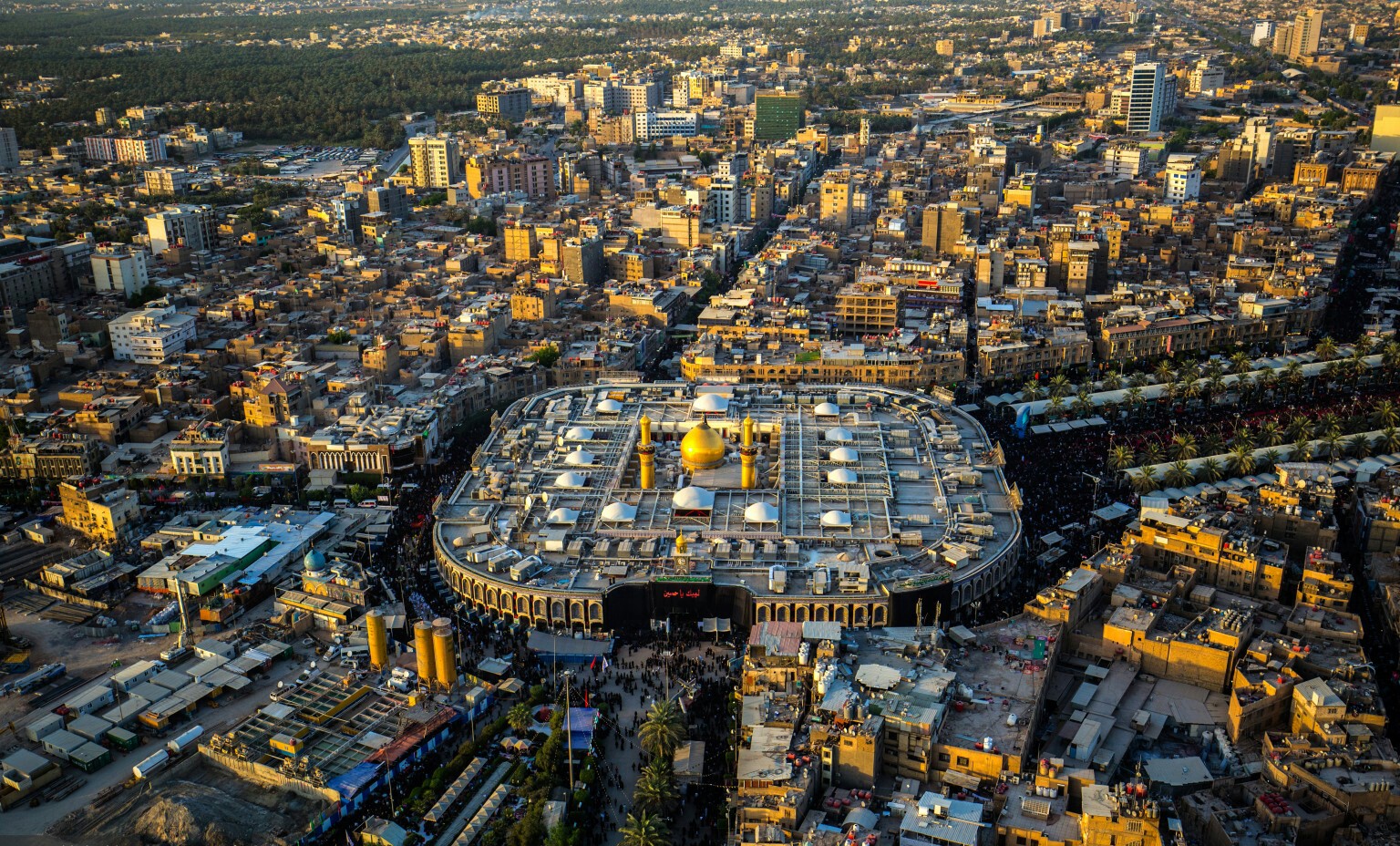
Karbala is more than a historic city—it is a profound landscape of memory, faith, and enduring tradition.
Located about 100 km southwest of Baghdad, it remains one of the most significant spiritual centers for Muslims around the world.
Here are five key things to know about the city of Karbala:
1. A Name with Ancient Roots
The name Karbala has several suggested origins. One theory traces it to the Babylonian phrase “Karb-ila” or “Qurb-ila,” meaning “closeness to God.” Others connect it to “Kar Babel,” a name once used for a cluster of ancient settlements in the region.
Muslim scholar Yaqut Al-Hamawi proposed that the name refers to the area’s soft earth—the very soil upon which Imam Hussain (peace be upon him) was martyred.
Another interpretation links the name to two Arabic words: “karb” (sorrow) and “bala” (affliction), symbolizing the tragedy of the Battle of Karbala.
2. The Battle of Karbala
In 680 AD, the Battle of Karbala unfolded—an event that deeply shaped Islamic history.
Imam Hussain (peace be upon him), the grandson of Prophet Muhammad (peace be upon him and his family), rose against the injustice and tyranny of Yazid and was martyred for refusing to submit to oppression.
His stand for truth and dignity became a defining moment in Islamic moral and spiritual identity.
Every year, Muslims commemorate this sacrifice during Muharram and Arbaeen, in Karbala and across the globe.
3. The Resting Place of Imam Hussain (peace be upon him)
Karbala is home to the sacred shrines of Imam Hussain (peace be upon him) and his loyal brother Al-Abbas (peace be upon him), both martyred on the day of Ashura.
Their shrines face one another in remembrance, drawing millions of pilgrims annually who come to pay their respects and reflect on the values these figures embodied.
4. A Center of Islamic Scholarship
Beyond its spiritual significance, Karbala is also a center of learning.
Institutions such as Ahlulbayt University and The University of Karbala attract students from around the world who study fields including Islamic sciences, law, medicine, and religious studies.
Together with Najaf and Qom, Karbala is considered one of the foremost hubs of Islamic education.
5. The Arbaeen Walk: The Largest Peaceful Gathering on Earth
Each year, more than 22 million people travel to Karbala for Arbaeen, held 40 days after Ashura.
It is the largest peaceful annual gathering in the world, surpassing even the Hajj pilgrimage.
Pilgrims walk for days—sometimes weeks—to reach the shrine of Imam Hussain (peace be upon him). Along the route, Iraqi families offer free food, shelter, water, and warmth, reflecting a deep culture of generosity and devotion inspired by Imam Hussain’s (peace be upon him) message.
Why Karbala Still Matters Today
Karbala is not merely a city; it is a symbol of justice, sacrifice, and spiritual commitment.
More than 1,300 years after the tragedy of Ashura, its impact continues to shape Islamic thought and inspire millions.
Honoring Karbala means recognizing its profound history and the values it represents—values that continue to guide and uplift believers around the world.
Source: The Zahra Trust