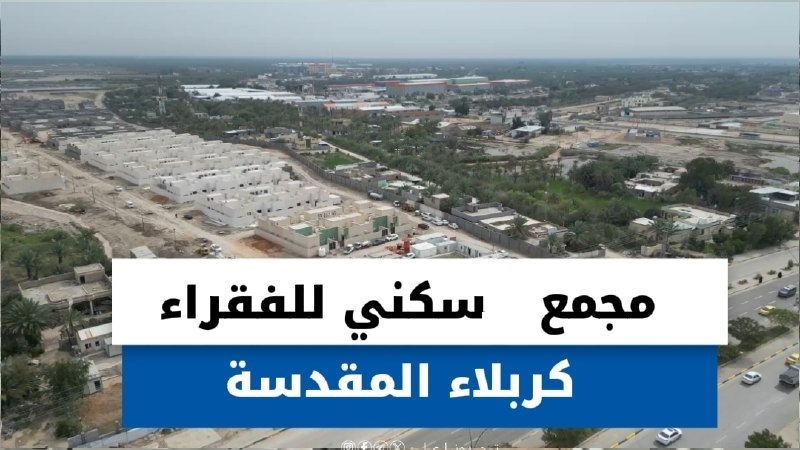
تعرف على مجمع الفقراء السكني في كربلاء
Centuries-old Quran manuscript in Thailand’s Narathiwat preserved as a rare Islamic treasure
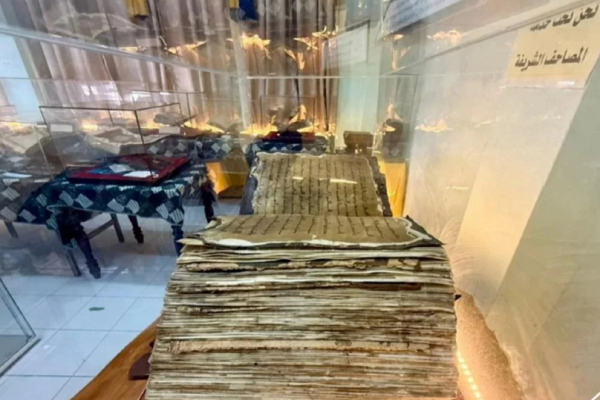
A rare Quran manuscript believed to be more than 1,000 years old is being carefully preserved and exhibited at the Museum of Islamic Cultural Heritage and Al-Quran Learning Centre in Narathiwat province, southern Thailand. Dating back to the Abbasid era, the manuscript is regarded as one of the most valuable and historically significant Islamic artifacts in the region.
The manuscript weighs approximately 50 kilograms and consists of 346 pages crafted from animal skin. It was written in ancient Kufic script using carbon-based ink derived from natural materials, including wood and date palm bark, demonstrating the remarkable craftsmanship and resourcefulness of early Muslim communities in preserving the Holy Quran.
Nik Ilham Nik Yusup, an official at the museum, explained that the manuscript was produced using carefully selected materials, including animal skins prepared in Yemen’s Hadhramaut region. Over the centuries, the manuscript journeyed from Yemen to Indonesia, where it remained preserved for more than 500 years, before eventually arriving in Narathiwat in 2021 during the COVID-19 pandemic.
Because of the fragile nature of the animal-skin pages and the original ink, preservation efforts are carried out with exceptional care. The manuscript undergoes cleaning and restoration every six months using only organic techniques, as chemical substances could damage the ancient text and materials.
The manuscript’s immense historical and cultural value has made it an irreplaceable treasure for both Islamic civilization and global heritage. To ensure its continued protection, the museum has introduced strict preservation and security measures, including prohibiting visitors from touching the artifact.