UN warns global temperatures could rise by 2.8°C by 2100
South Korea’s halal food market booms as demand grows among Muslims and Non-Muslims
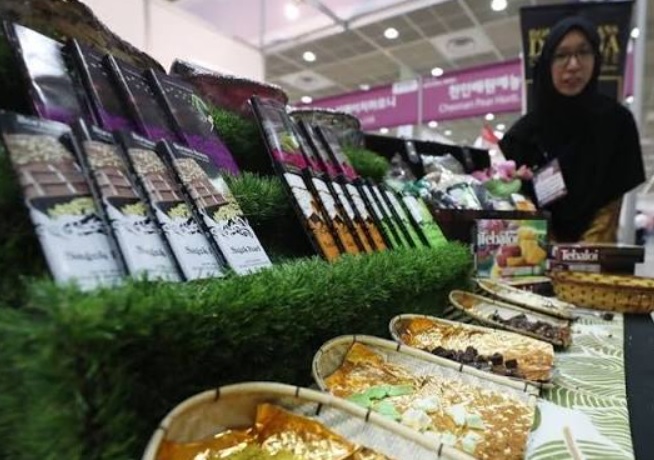
Seoul, the capital of South Korea, is witnessing growing demand for halal food and products, with increasing numbers of Muslim and non-Muslim customers visiting restaurants that comply with Islamic dietary requirements. Itaewon, a neighborhood known for its international food scene, has emerged as one of the city’s leading destinations for halal dining.
According to the International Quran News Agency (IQNA), Itaewon attracts diners with a wide range of Middle Eastern and South Asian cuisines, drawing both local residents and international visitors.
One restaurant benefiting from this trend is Arabesque, which serves a diverse menu of more than 70 dishes, including sandwiches, kebabs, seafood, and curry, alongside around 15 varieties of appetizers. Most of its customers are Muslim.
The restaurant’s owner, Firas Al-Kafahi, a Jordanian national, said the concept brings together Middle Eastern and South Asian cuisines to ensure that customers from different backgrounds can find familiar dishes.
Al-Kafahi explained that the Itaewon branch opened in 2017 following repeated requests from friends and customers for an Arabic restaurant offering a varied menu in Seoul. He added that access to halal dining has improved considerably in recent years, making it easier for Muslims to find suitable restaurants across South Korea.
According to the Korea Tourism Organization’s 2022 Muslim-Friendly Restaurant Guide, South Korea had 288 restaurants offering food services suitable for Muslim customers, reflecting the development of the market.
Al-Kafahi noted that demand for halal food is no longer limited to Muslims, as more South Koreans are also visiting these establishments. He attributed this trend partly to growing exposure to Middle Eastern cultures and cuisines through international travel, employment, and overseas residence.
Latest News