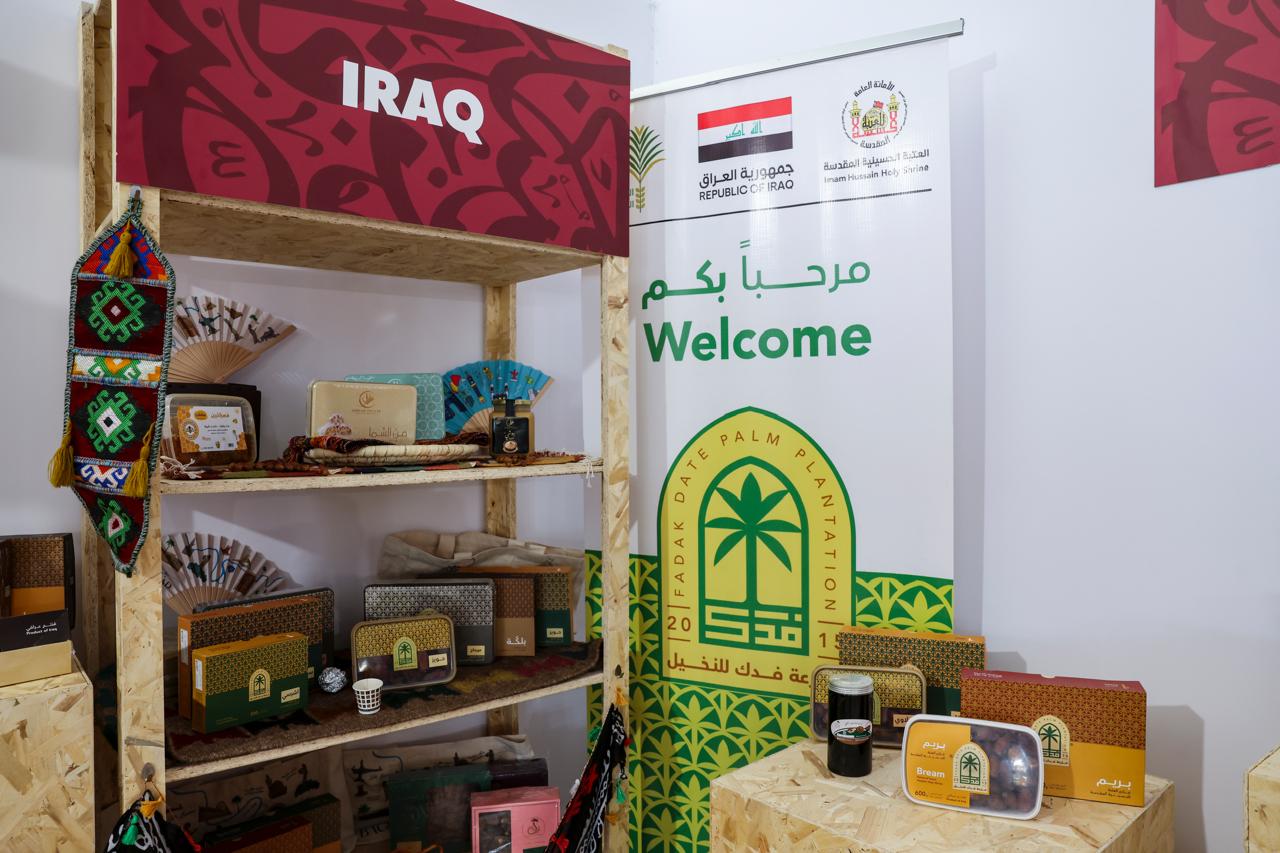
Fadak Date Palm Farm participates in the 2026 World Food Forum and Exhibition in Rome
Imam Hussain Holy Shrine continues expansion of Al-Rashad Teaching Hospital in Baghdad
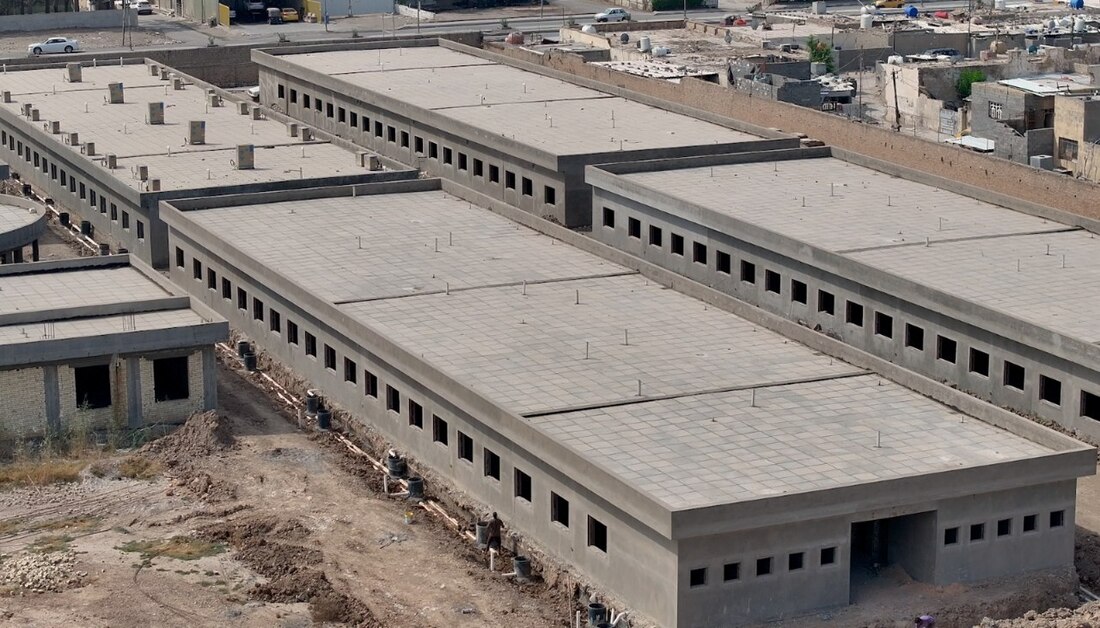
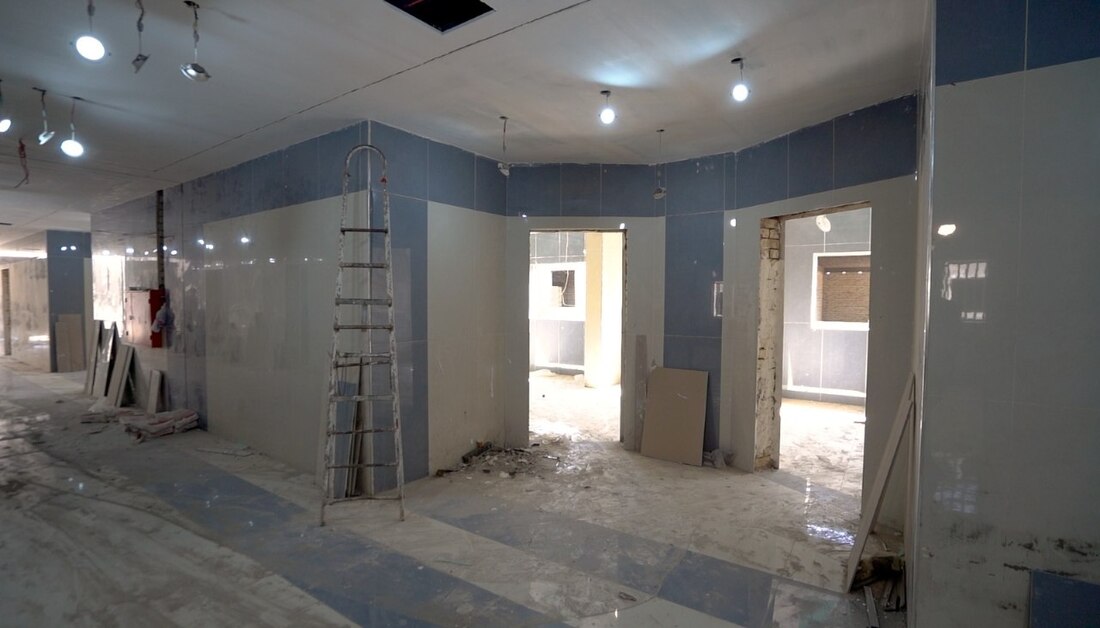
The Engineering and Technical Projects Department at the Imam Hussain Holy Shrine has announced that work is continuing on the expansion of Al-Rashad Teaching Hospital in Baghdad. The project is being implemented under the directives of Sheikh Abdul-Mahdi Al-Karbalaey, representative of the Supreme Religious Authority, and Hassan Rashid Al-Abayechi, Secretary-General of the Holy Shrine. It aims to support Iraq’s public healthcare sector and improve the quality of medical services provided to patients.
According to the department, the project includes the construction of five specialized buildings: four patient wards and one administrative building, with a total capacity of 100 beds. Construction is progressing rapidly, with work proceeding according to the established timetable.
The project covers a total area of 6,000 square meters. Each of the four patient wards occupies 1,000 square meters, while the administrative building spans 2,000 square meters.
The department noted that the engineering designs were prepared by the Baghdad Health Directorate in accordance with international standards for specialized hospitals.
Patient safety has been a key consideration in the design of the facilities. The rooms are equipped with safety systems tailored to patients’ medical conditions, including impact- and shatter-resistant glass and concealed electrical outlets to minimize potential hazards. The buildings also feature central air conditioning and early fire detection systems.
The department added that the administrative building includes staff offices, meeting rooms, facilities for psychological rehabilitation, a cafeteria, restaurants, and landscaped green spaces, all arranged in accordance with the approved final designs.
The expansion project is part of a broader series of humanitarian and development initiatives undertaken by the Imam Hussain Holy Shrine to support healthcare institutions across Iraqi governorates, improve access to specialized medical services, and ease the burden on government hospitals.
Attachments