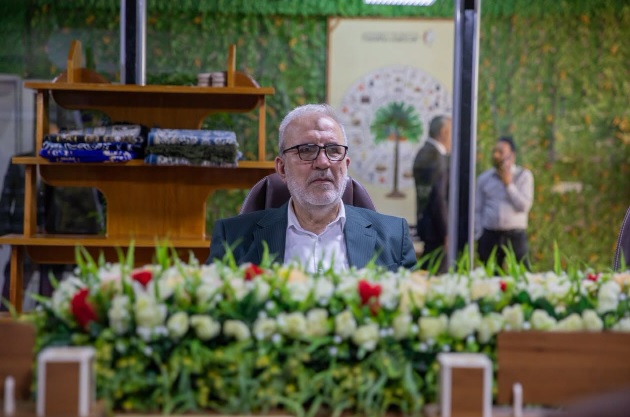
Secretary-General of the Imam Hussain Holy Shrine: Forum of Holy Shrine Secretaries-General serves as a beacon for reform and community service
What happens to our bodies during fasting? A real opportunity to restore balance during Ramadan

During Ramadan, fasting is often described as a chance for the body to “reset” or start anew. While such expressions are common, scientific research suggests that there is real physiological basis behind them. Structured periods of abstaining from food for several hours can produce measurable effects on the body.
So what actually happens inside us during fasting?
A Smart Shift in Energy Use
After several hours without food, the body begins to use up its stored glucose for energy. Once those stores decline, it gradually shifts to burning fat as an alternative fuel source.
This metabolic transition may support weight management in some individuals and is associated with improved insulin sensitivity and better blood sugar regulation — both essential for cardiovascular health and overall metabolic function.
A Chance to Regulate the Body’s Internal Clock
One lesser-known benefit of fasting is its potential impact on the body’s circadian rhythm — the internal clock that regulates sleep, hormones, and energy levels.
Adjusting meal timing can influence this rhythm. When fasting is combined with consistent sleep patterns and balanced nutrition, many people report improved sleep quality and more stable energy throughout the day.
Supporting the Body’s Natural Repair Processes
Emerging research suggests that fasting periods may activate biological processes related to cellular maintenance and energy regulation. These mechanisms help the body adapt to changes in fuel availability and maintain internal balance.
While research in this area is ongoing, early findings are considered promising.
What About “Detoxing”?
The body already has highly efficient detoxification systems, primarily the liver and kidneys. Fasting does not replace these systems. However, temporary relief from constant digestion may allow the body to redirect energy toward other regulatory and restorative functions.
The Benefits Depend on Healthy Habits
Fasting alone is not a magic solution. Its benefits are more likely to be experienced when combined with:
· Balanced, nutrient-rich meals
· Reduced intake of sugar and processed foods
· Adequate hydration
· Consistent sleep
· Moderate physical activity
When these factors align, individuals may notice improvements in energy, focus, and mood.
So, Does Fasting “Reset” the Body?
Scientific evidence suggests that structured fasting can positively influence metabolism, blood sugar control, and circadian rhythm. In that sense, Ramadan can serve as an annual opportunity to reassess lifestyle habits and restore balance — provided it is approached thoughtfully and healthfully.