الزراعة: تقنيات الري الحديثة تحد من تلوث الأنهار
Imam Hussain Holy Shrine introduces advanced nuclear therapy unavailable previously in Iraq and the region
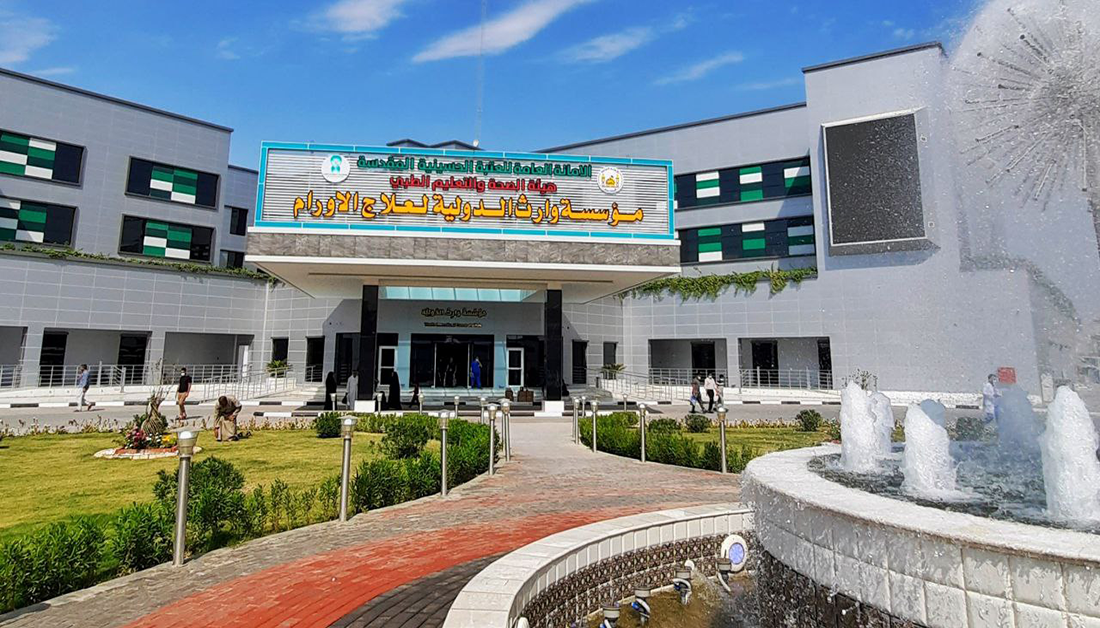
In a significant medical achievement, the Health and Medical Education Authority at the Imam Hussain Holy Shrine, through its Nuclear Medicine Department, has successfully administered an advanced nuclear therapy to a young patient suffering from a rare tumor known as hemangiopericytoma. The patient had battled the disease for nearly a decade, with the condition failing to respond to several advanced treatments received in different countries.
Dr. Haider Al-Abadi, Head of the Authority, stated to the Shrine’s official website that the patient had undergone various treatments over the past ten years, including radiotherapy, surgery, and biological and targeted therapies. However, as the disease continued to progress, more advanced treatment options became necessary.
He explained that a new treatment option emerged through Lu-177 FAPI, an advanced nuclear therapy designed to target this type of tumor, which had not previously been available in Iraq or the surrounding region. The Nuclear Medicine Department’s specialized team spent several weeks making the necessary arrangements to secure and administer the treatment.
Dr. Al-Abadi noted that initial signs of response appeared just hours after administration, as the tumor began absorbing the radioactive substance. He described this as an encouraging indicator, expressing hope that the treatment would help eliminate the tumor or, at minimum, slow its progression in the coming days.
This achievement reflects the Imam Hussain Holy Shrine’s continued efforts to introduce advanced medical technologies, expand specialized healthcare services, and provide treatment options for patients with complex medical conditions, helping improve access to advanced medical care within Iraq.