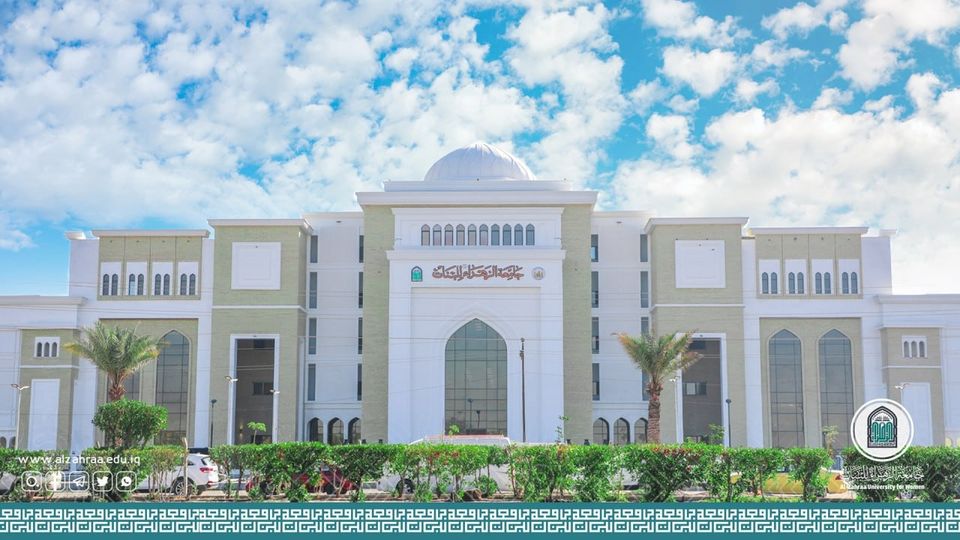
جامعة الزهراء (عليها السلام) للبنات تحقق تقدماً عالمياً وتحصد المركز الأول بين الجامعات الأهلية
The ruins of one of the ancient world’s greatest cities and a cradle of civilization
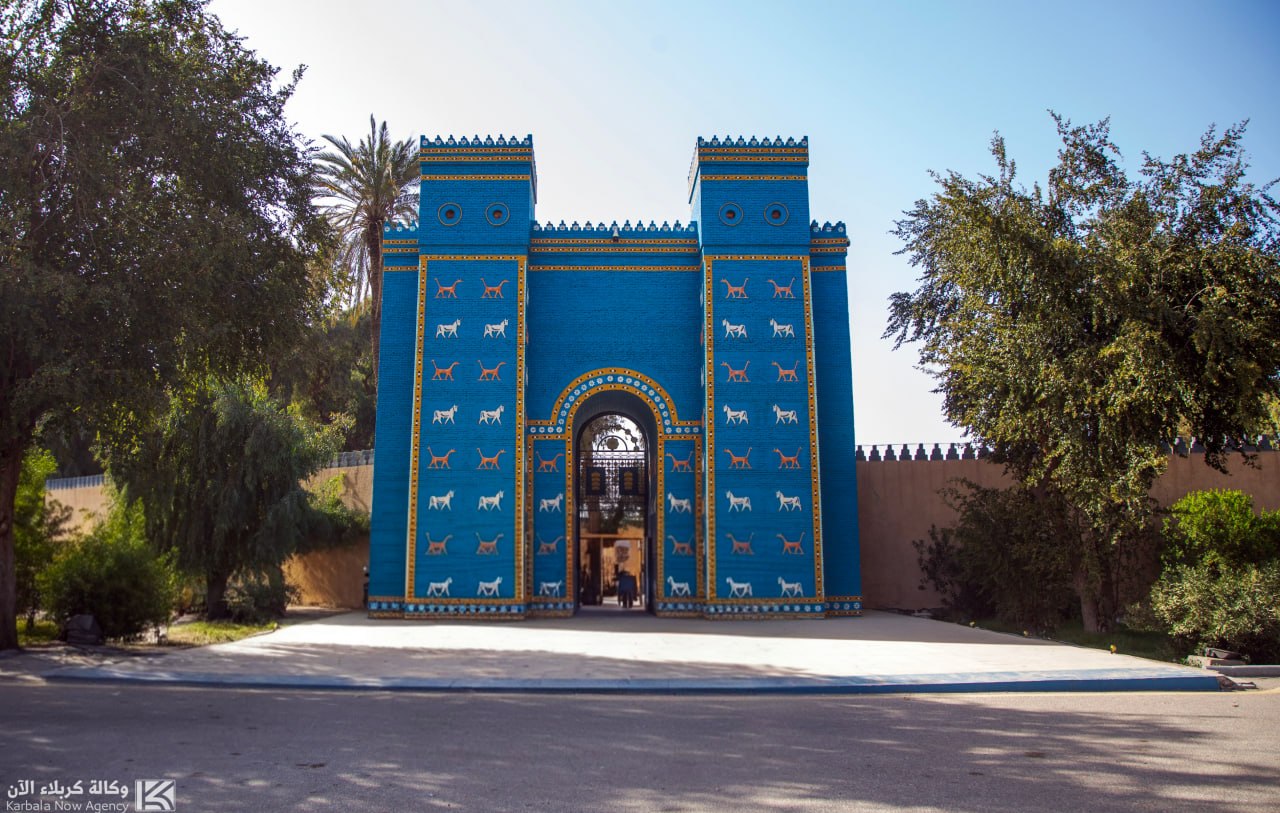
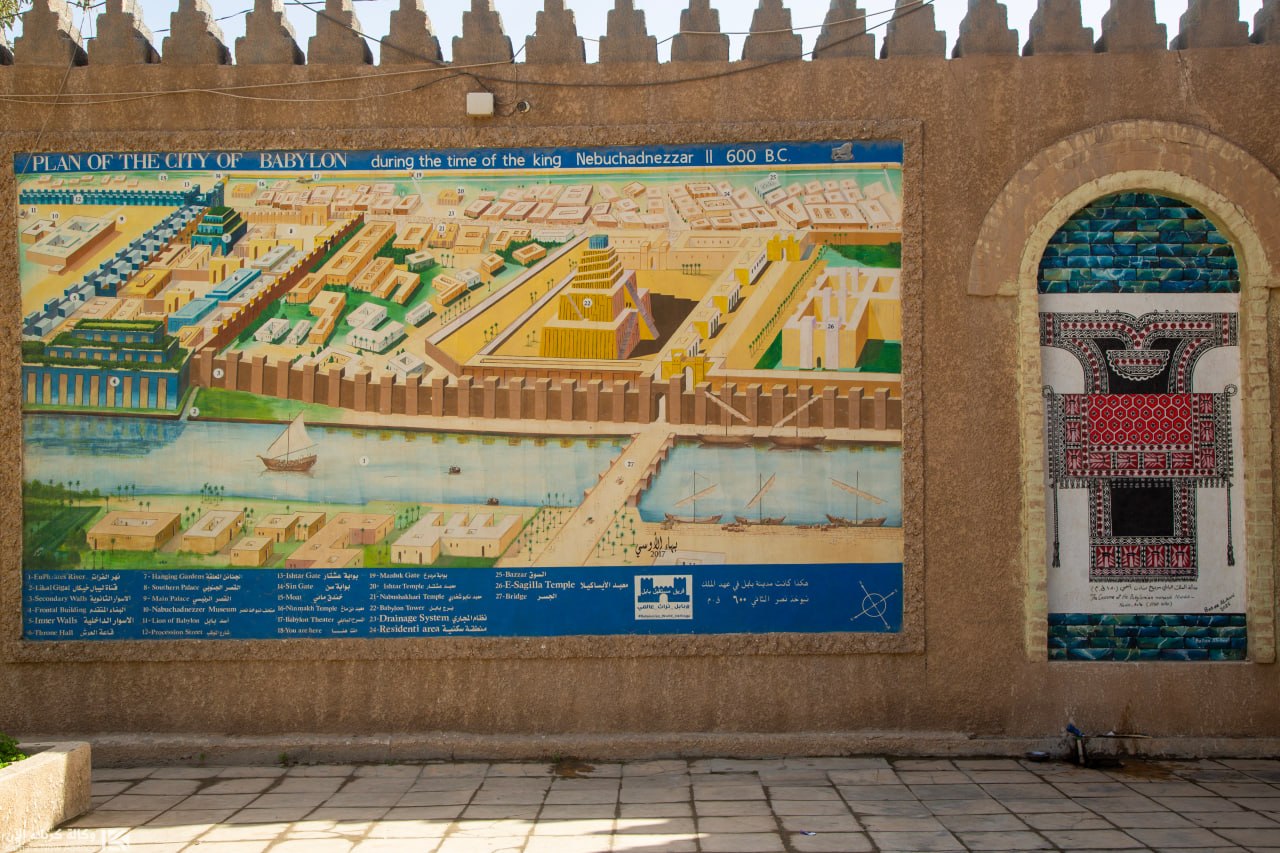
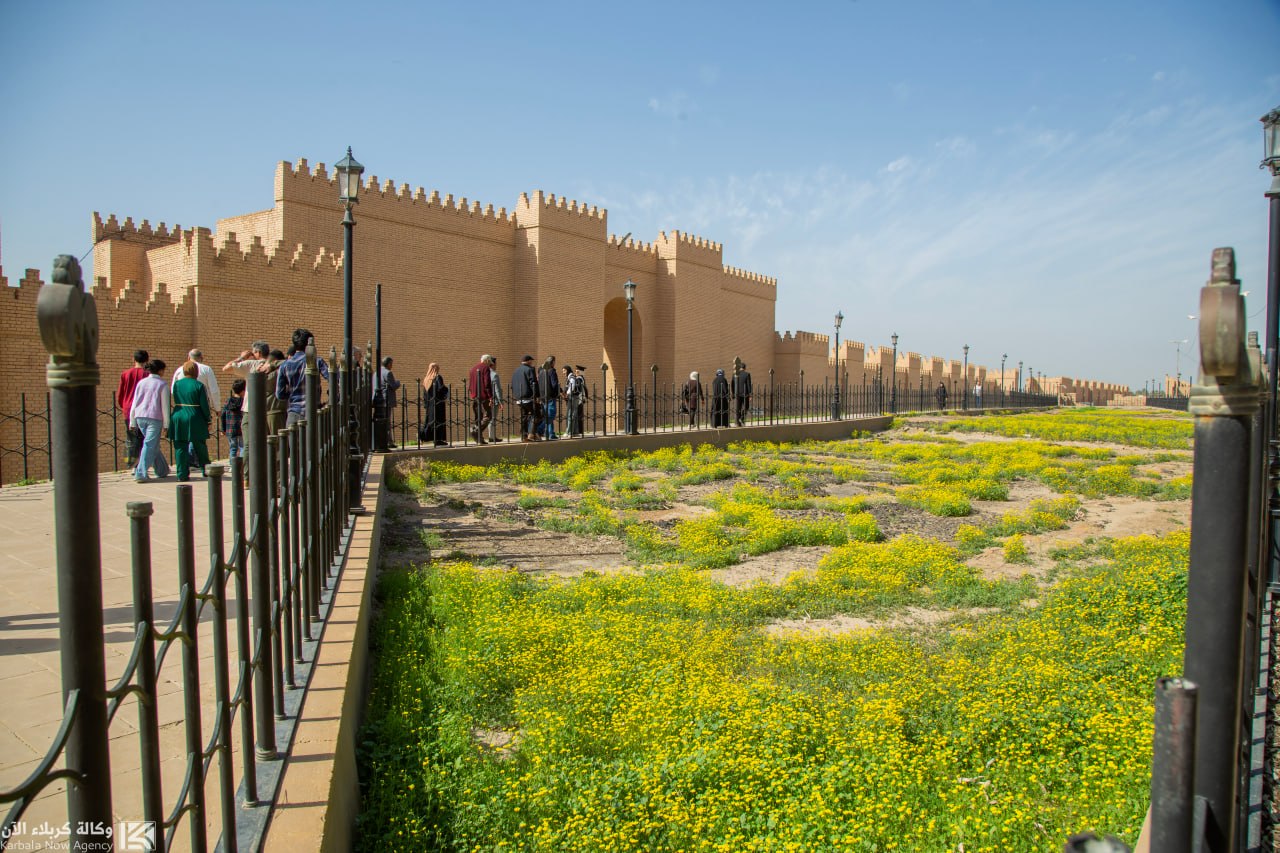
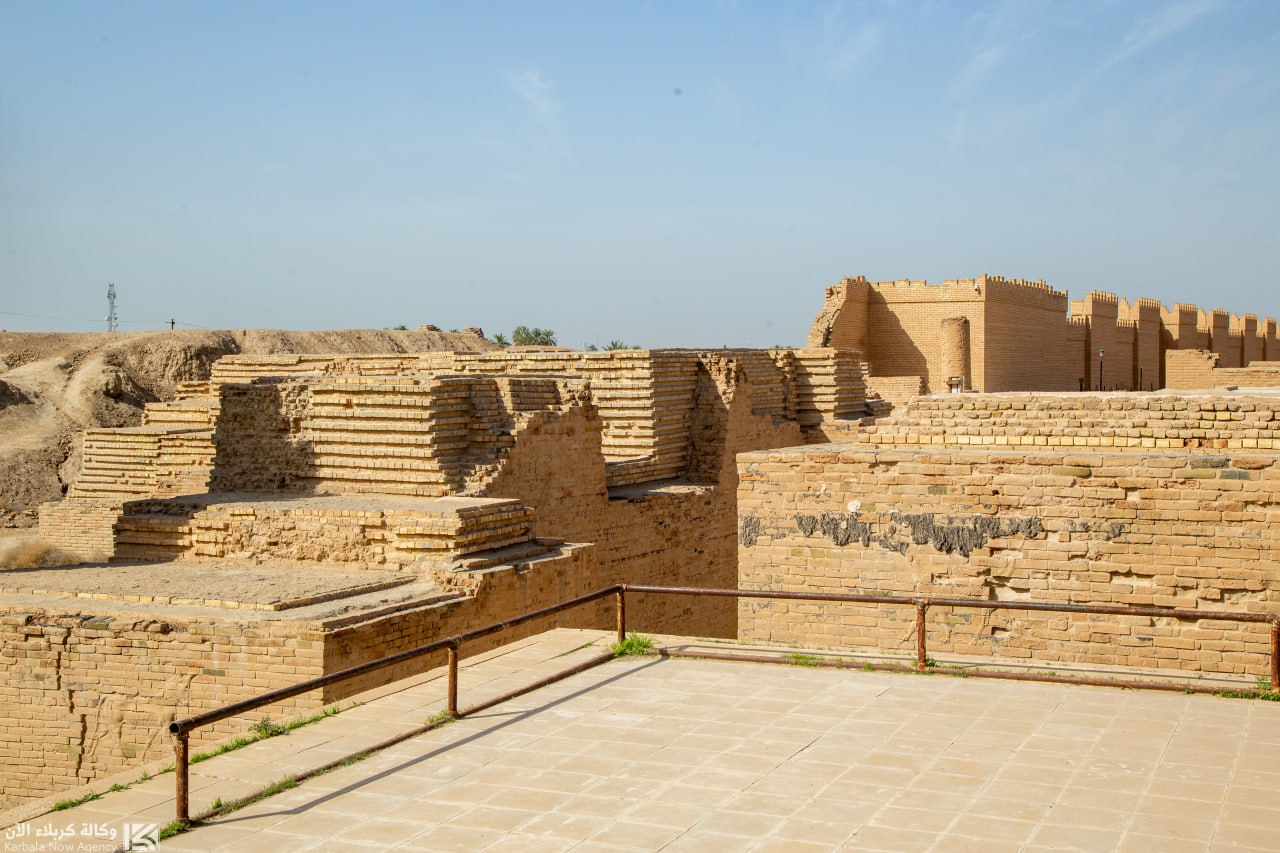
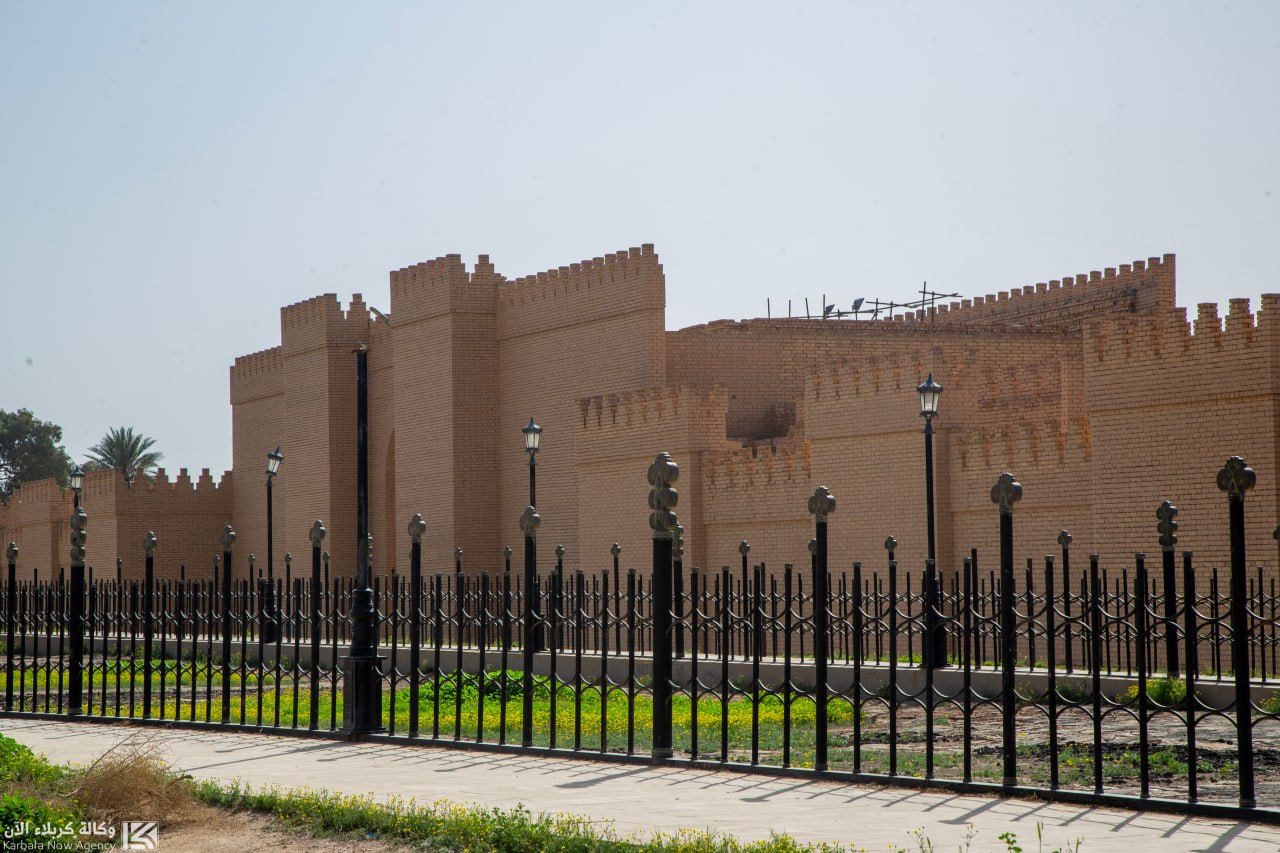
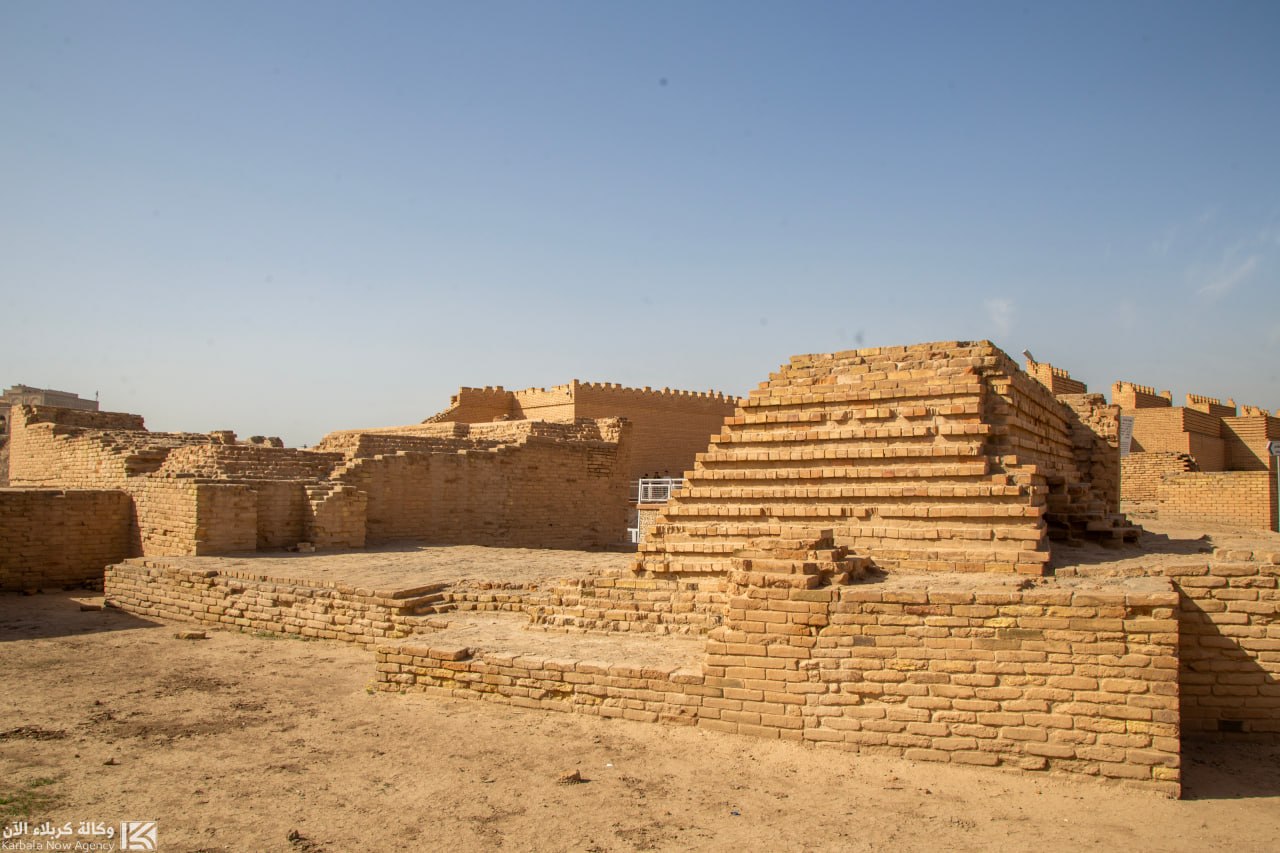
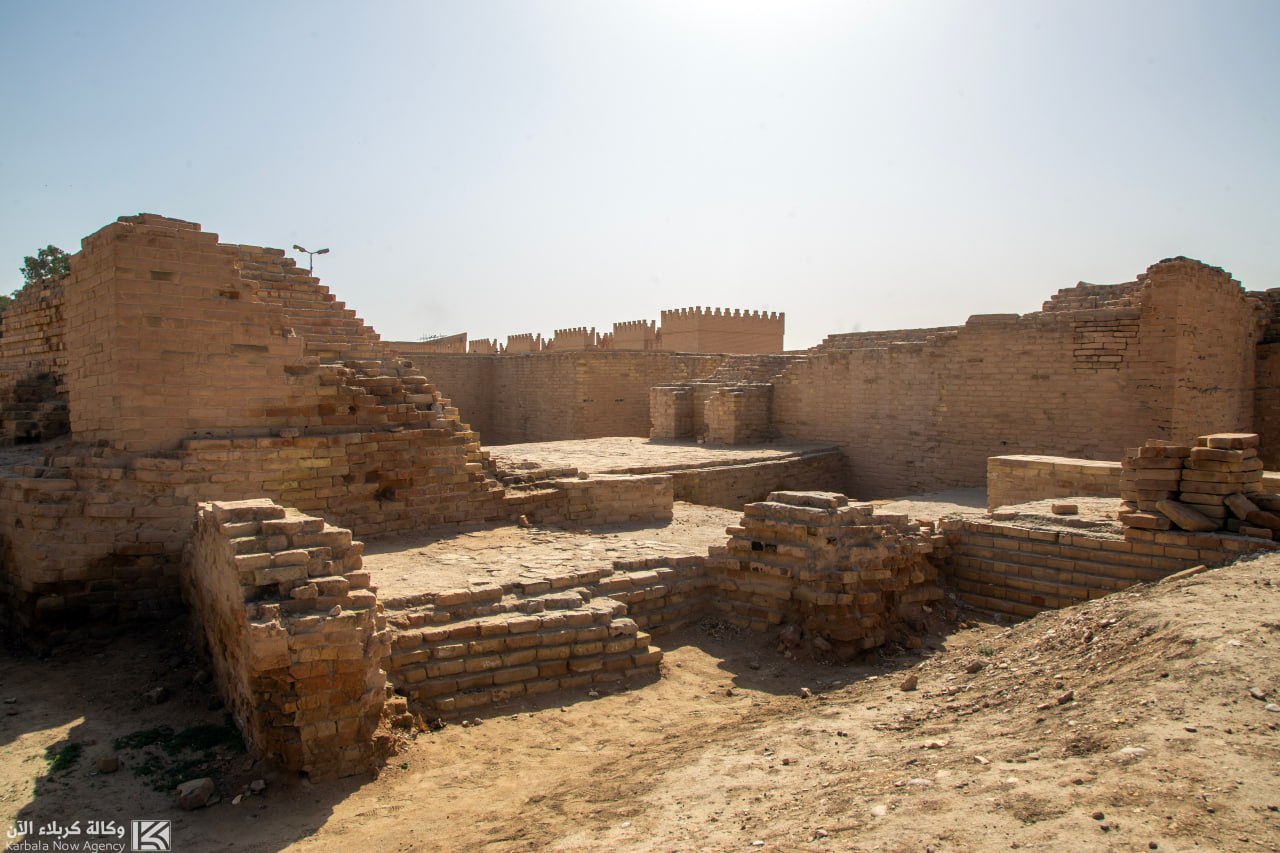
Located south of Baghdad near Al-Hillah in Iraq, the ancient city of Babylon stands as one of history’s most influential centers of civilization. Founded during the third millennium BC, Babylon became known as the “Gate of God” and rose to prominence as the capital of the Babylonian Empire.
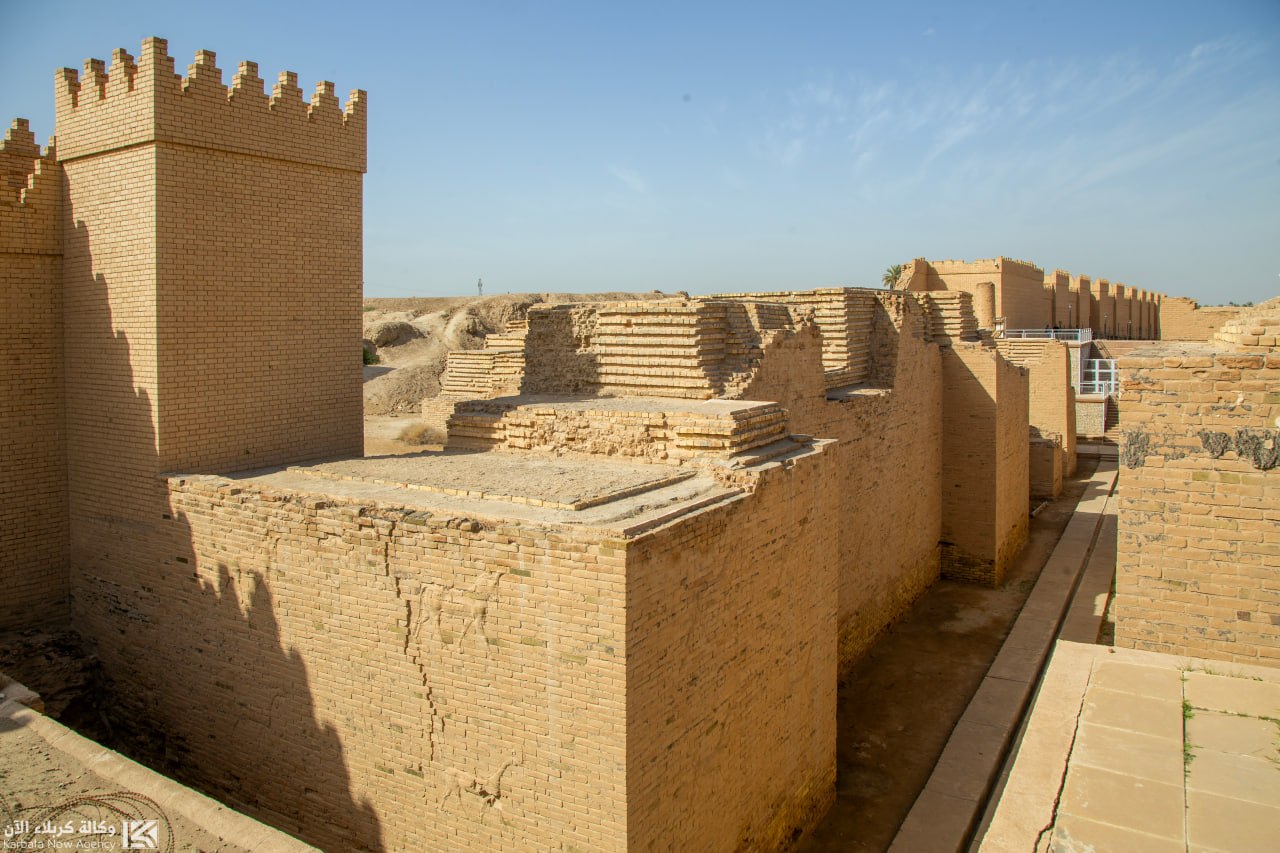
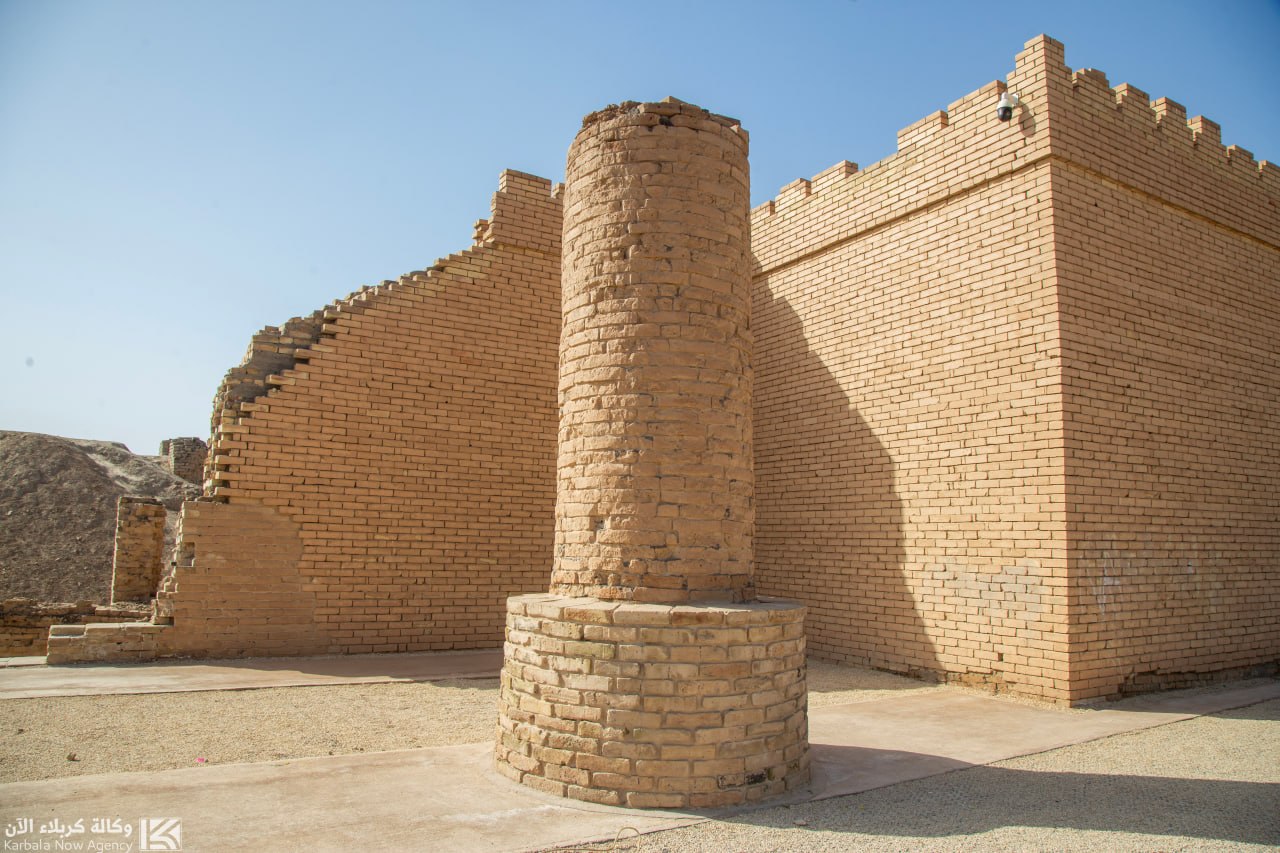
The city reached the height of its glory during the reign of Nebuchadnezzar II, when it became renowned for its massive fortifications, grand temples, royal palaces, and monumental architecture. Babylon is also closely associated with the famous Code of Hammurabi, one of the earliest known legal codes in human history.
Today, Babylon is recognized as a UNESCO World Heritage Site and remains one of Iraq’s most important archaeological treasures.
Key Archaeological Landmarks in Babylon:
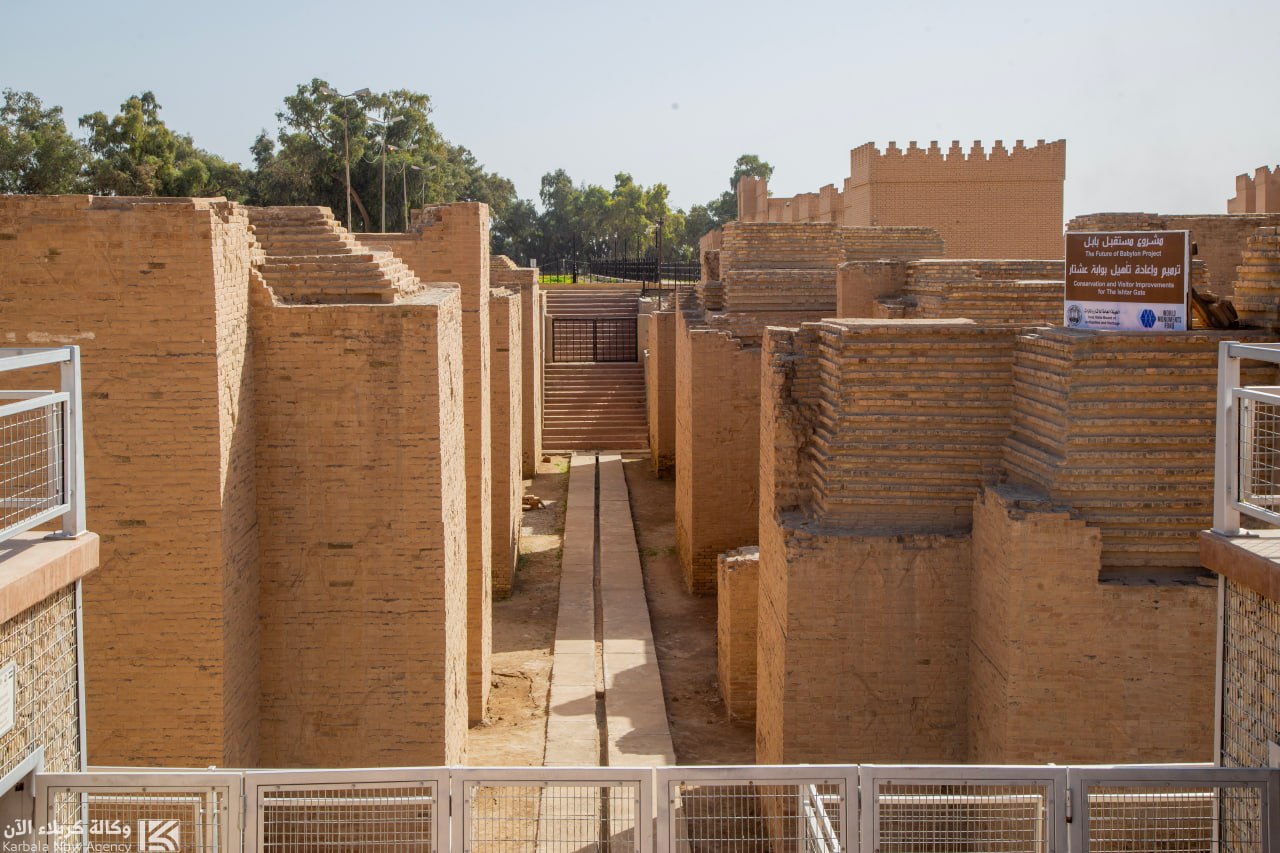
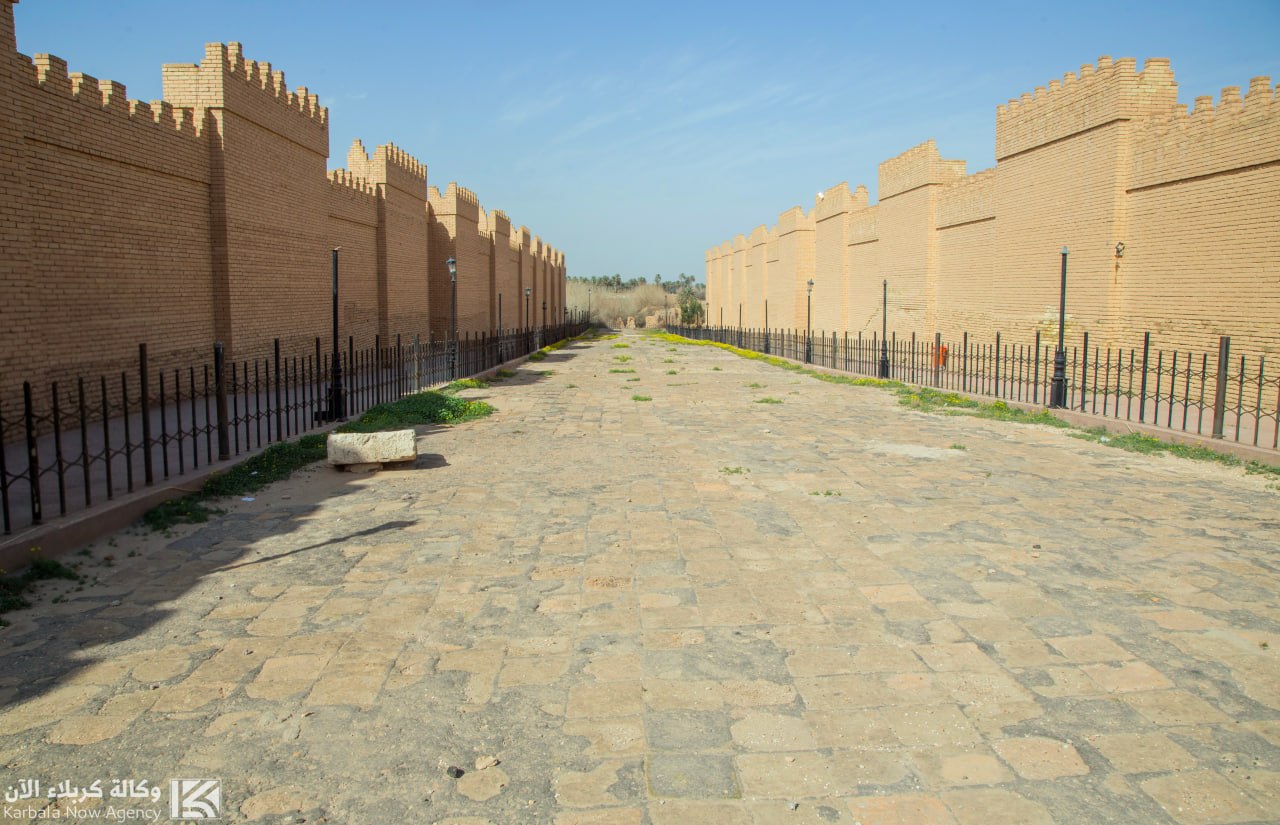
• The Processional Way – The city’s main ceremonial avenue, which passed through the Ishtar Gate and was used during major religious festivals and royal processions.
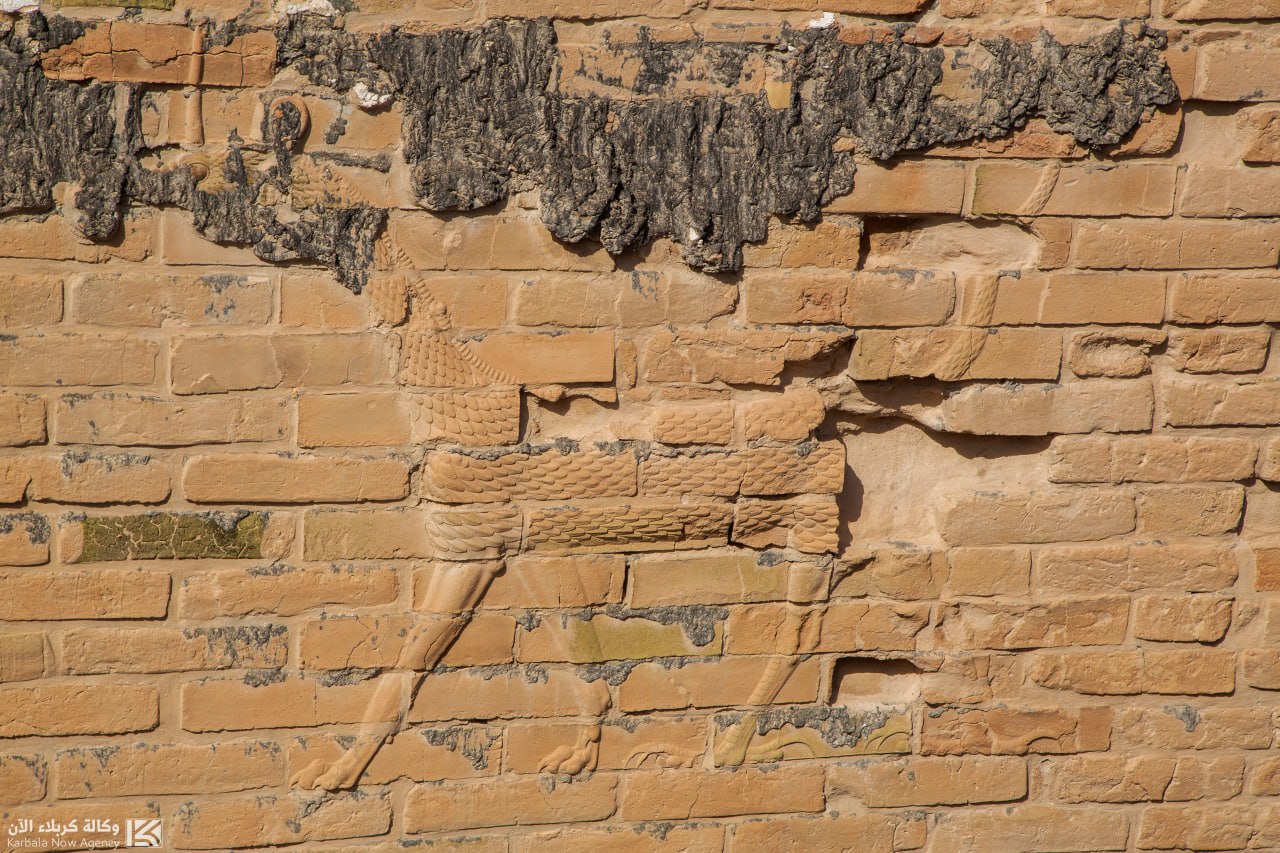
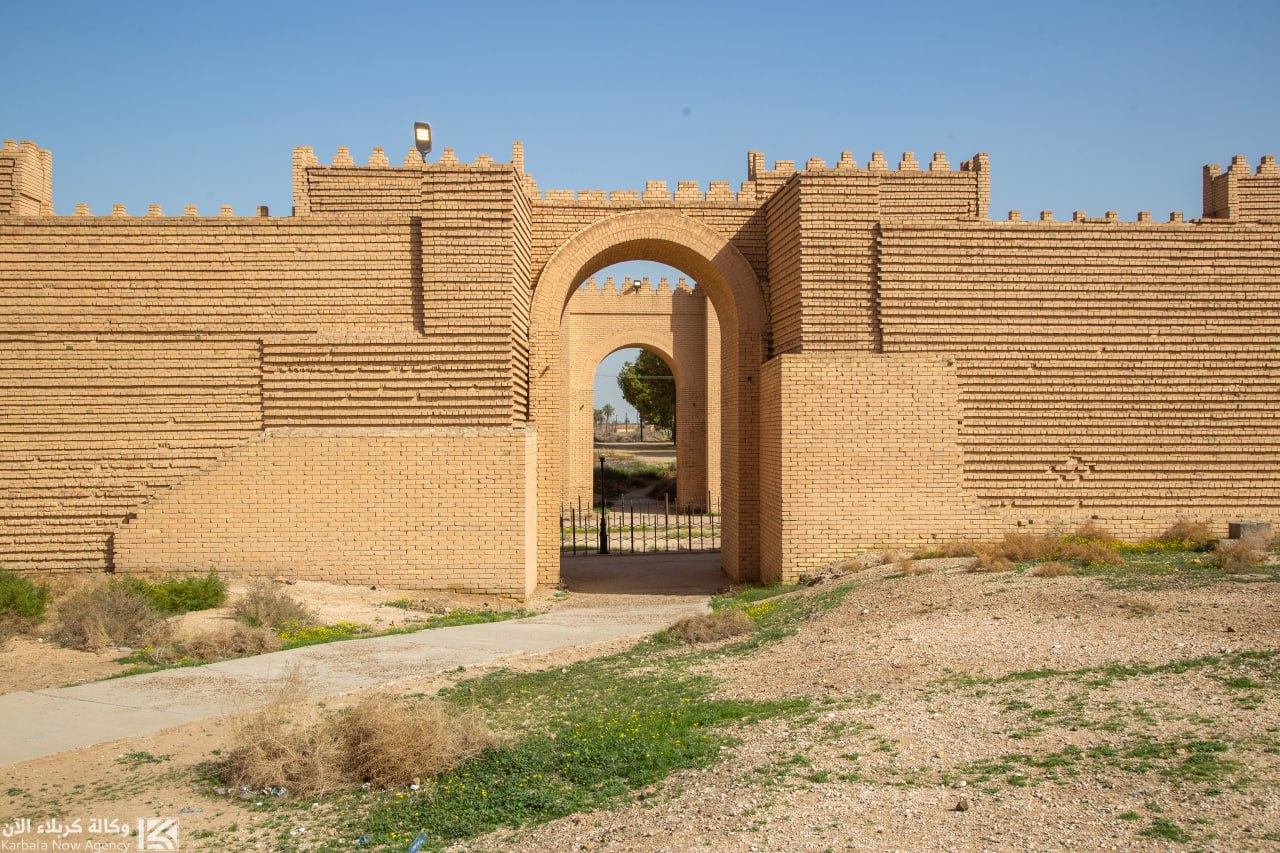
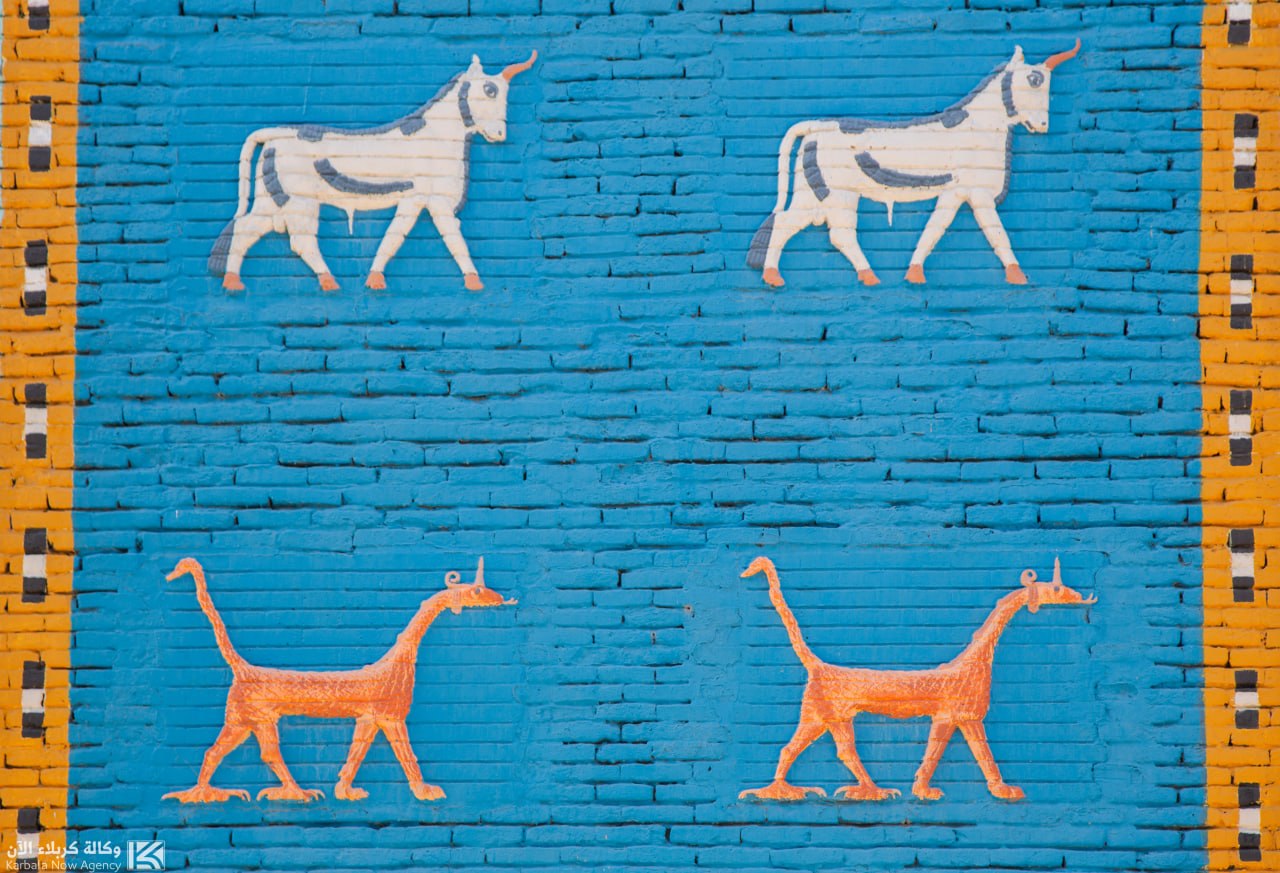
• The Ishtar Gate – The eighth gate of Babylon, famed for its blue glazed bricks decorated with dragons and bulls. It is considered one of the masterpieces of ancient Mesopotamian art.
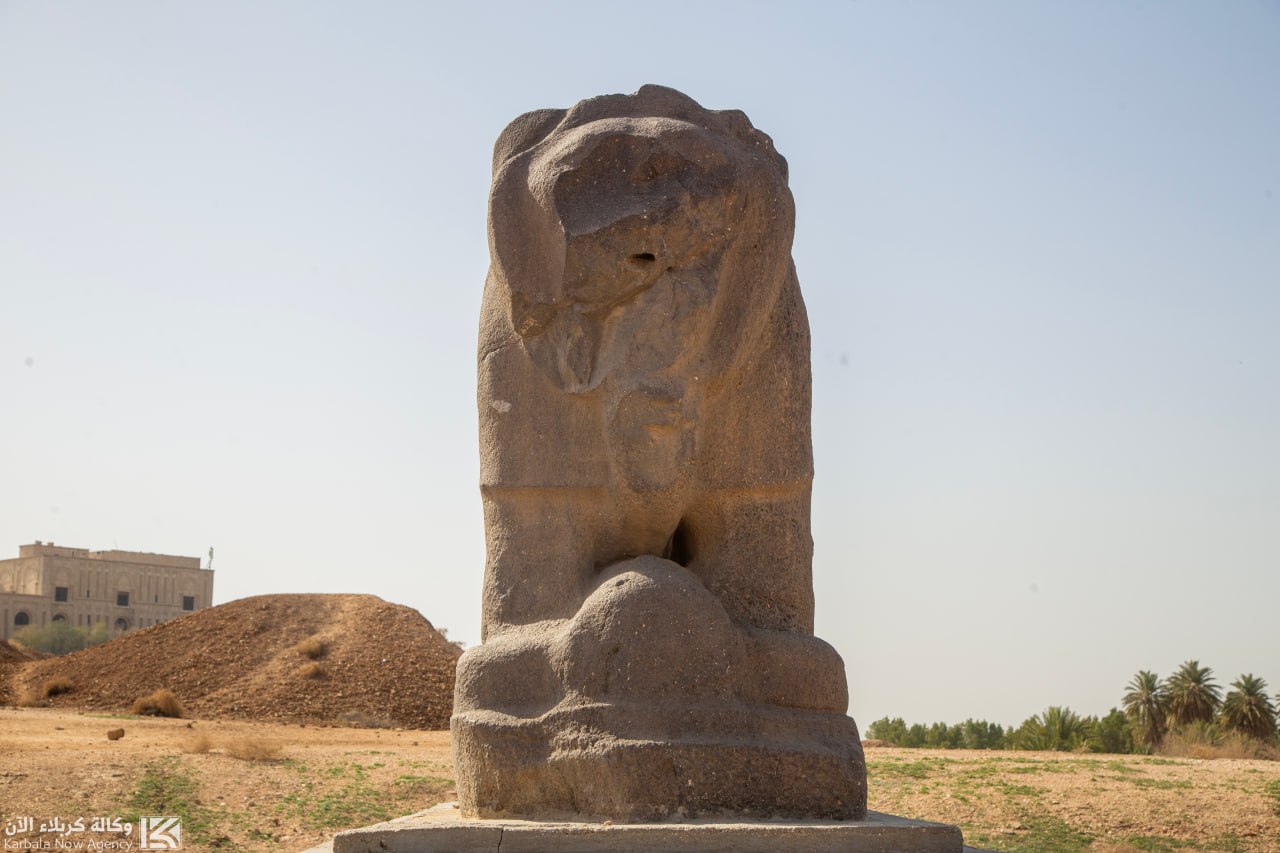
• The Lion of Babylon – A massive basalt statue depicting a lion standing over a human figure, symbolizing the strength and authority of Babylon.
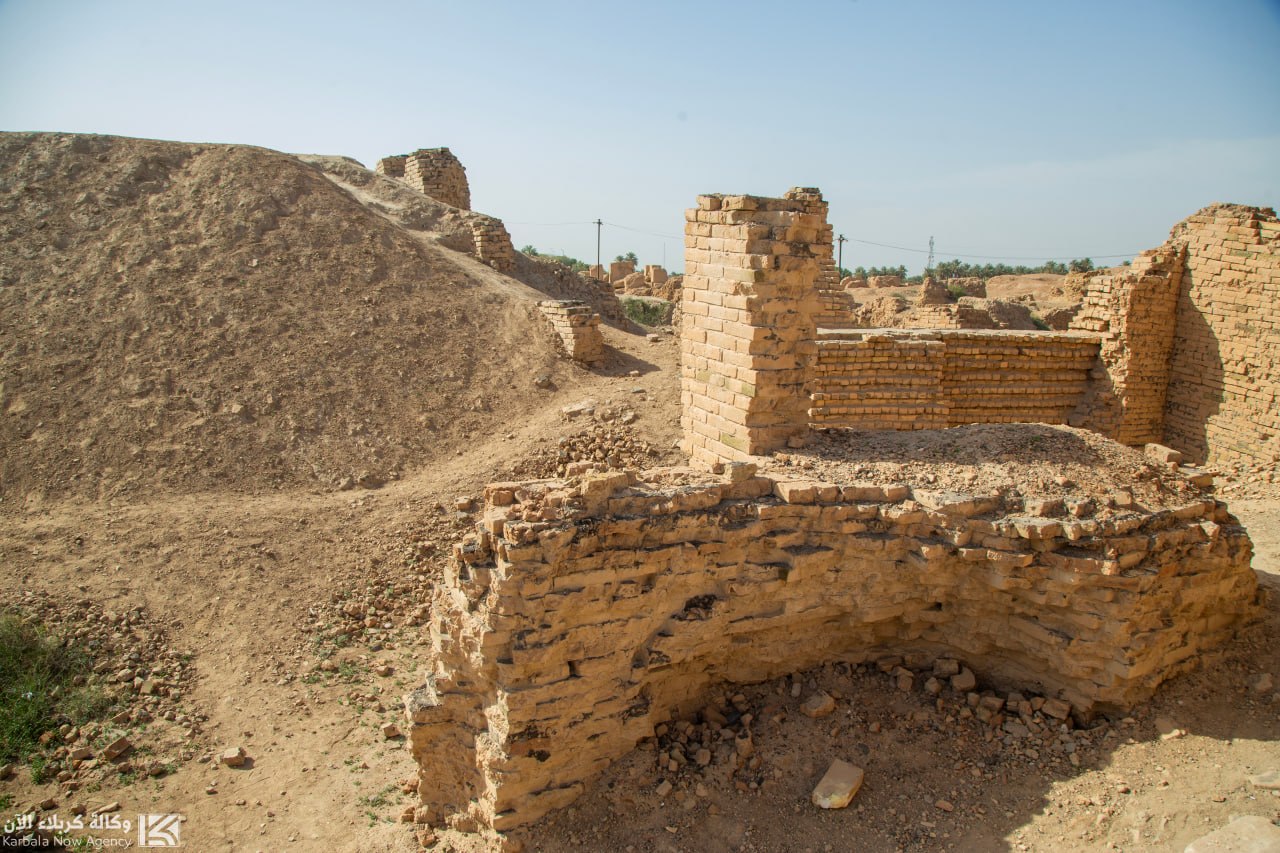
• The Northern Palace (Nebuchadnezzar’s Palace) – The remains of an enormous royal complex containing vast halls and courtyards, where many significant archaeological discoveries have been made.
• The Babylonian Theater – A Greek-style theater dating to the Hellenistic period, reflecting the city’s continued importance after the Babylonian era and still standing today.
Photographer: Muhammad Al-Qarawi
المرفقات
آخر ما تم نشره