Pakistan: First Nahj Al-Balagha Conference held in Baltistan
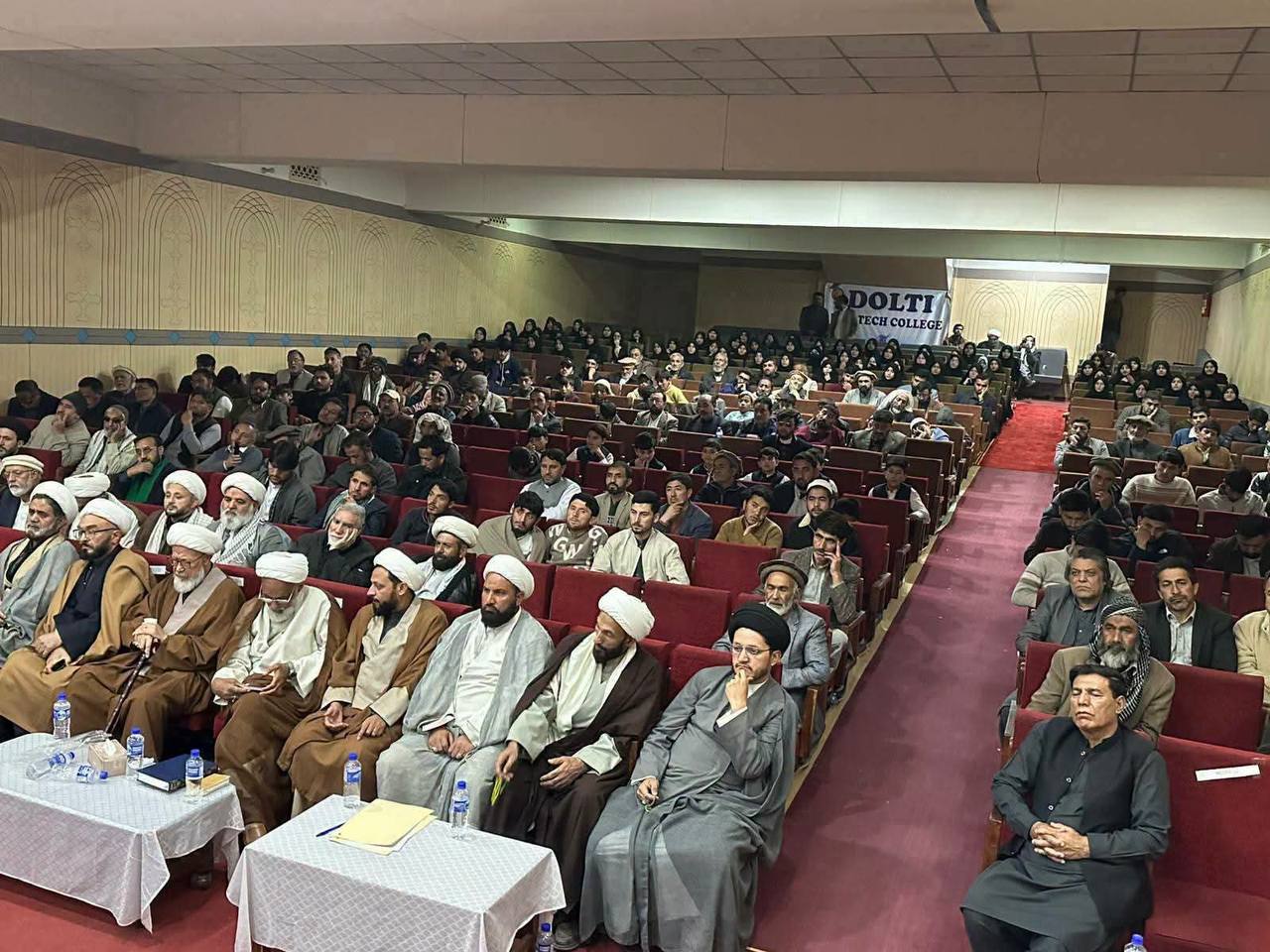
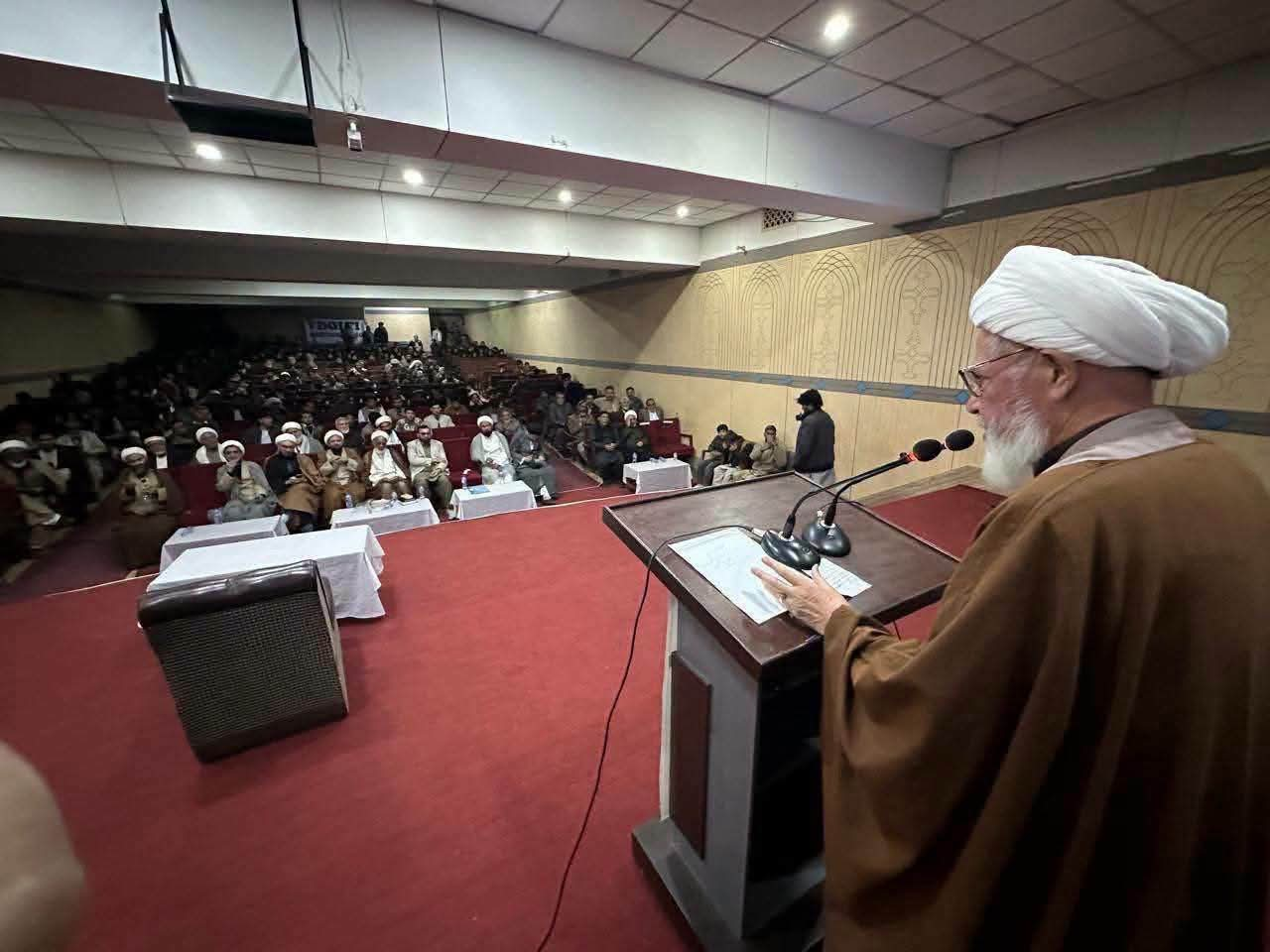
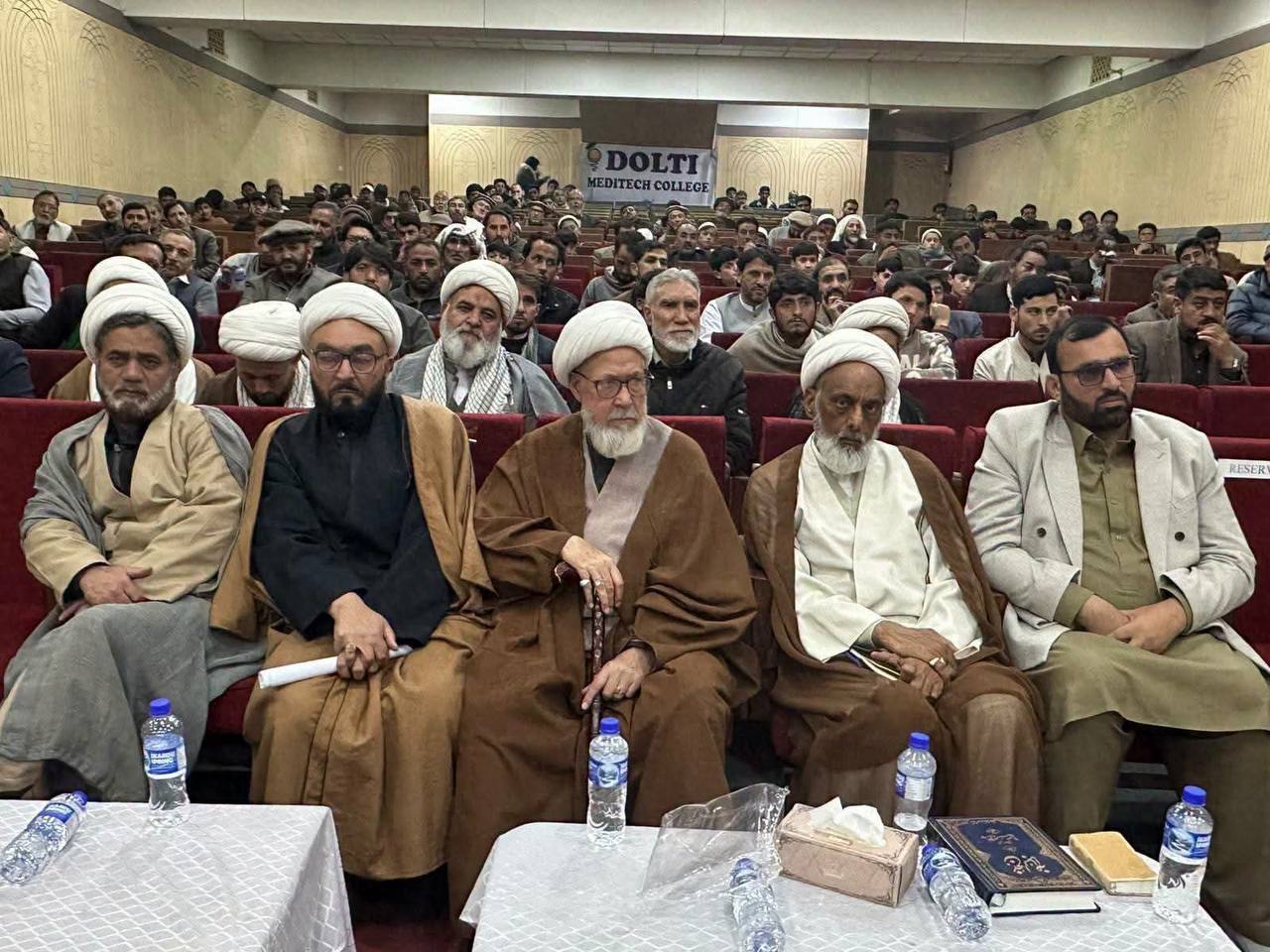
The Baltistan region hosted its first-ever conference on Nahj Al-Balagha, aimed at highlighting its scholarly, intellectual, and practical significance and introducing the teachings of Imam Ali ibn Abi Talib (peace be upon him), particularly to younger generations. The event was held in memory of the late Allama Sheikh Mohsin Ali Najafi (may Allah have mercy upon him).
Organized by the Islamic Thoughts Center (Markaz Afkar-e-Islamia) at Al-Najaf University’s Allama Iqbal Hall in Skardu, the conference was held in collaboration with the Imamia Association of Baltistan, Al-Najaf University, the Uswah Education System, Al-Kawthar University in Islamabad, and other academic and religious institutions. Scholars, researchers, academics, and intellectuals attended.
In his opening remarks, Maulana Liaquat Awan described Nahj Al-Balagha as a comprehensive guide to human life, addressing monotheism, divine knowledge, justice, ethics, politics, and social relations. He noted that the Islamic Thoughts Center had produced more than 40 books and studies on the text, emphasizing the need for reliable Urdu translations and critically edited editions.
Researcher Muhammad Hassan Hasrat explored the relationship between Nahj Al-Balagha (“The Peak of Eloquence”) and modern sciences, explaining how scientific inquiry into the universe complements the text’s emphasis on recognizing God and understanding humanity’s moral and spiritual responsibilities.
Allama Sheikh Muhammad Ali Tawhidi called for presenting Nahj Al-Balagha as a shared intellectual and ethical heritage for all humanity, beyond sectarian boundaries. He advocated rigorous translations, international academic cooperation, research initiatives, and incorporating its teachings into modern educational curricula.
Muhammad Nasim, representing the Uswah Education System, stressed that education should develop intellectual, moral, and practical abilities alongside academic knowledge. He also highlighted the importance of the ethical and spiritual upbringing of young people and recognized the educational contributions of the late Allama Sheikh Mohsin Ali Najafi.
Dr. Abid Hussain discussed leadership and management through the teachings of Imam Ali (peace be upon him), emphasizing that authority is a sacred trust requiring accountability. He identified justice, competence, merit, transparency, and integrity as essential principles of effective leadership.
Allama Maqbool Hussain Alawi, supervisor of the Islamic Thoughts Center, called for greater academic collaboration to promote the study of Nahj Al-Balagha. He also encouraged women and female students to engage with its teachings and draw inspiration from Lady Zaynab Al-Kubra (peace be upon her) in developing awareness, courage, and steadfastness.
Allama Sheikh Muhammad Hassan Jafari highlighted the text’s principles of human equality, justice, and tolerance, citing Imam Ali’s counsel to Malik Al-Ashtar: “For they are of two types: either they are your brothers in religion, or they are your equals in creation.” He emphasized that this teaching calls for respect for all people, regardless of religious, ethnic, or other differences.
In their concluding remarks, participants stressed the importance of translating the teachings of Nahj Al-Balagha into practical action in personal, social, and institutional life. They also called for continued research, reliable translations, and broader efforts to share its humanitarian message with diverse communities.
The conference concluded with prayers for the martyrs of Islam, particularly those of Baltistan, and for the late religious authorities and community benefactor Allama Sheikh Mohsin Ali Najafi (may Allah have mercy upon him).
Attachments