Pakistan: First Nahj Al-Balagha Conference held in Baltistan
Karbala survey identifies 57 archaeological mounds in Al-Hussainiyah; total could reach 100
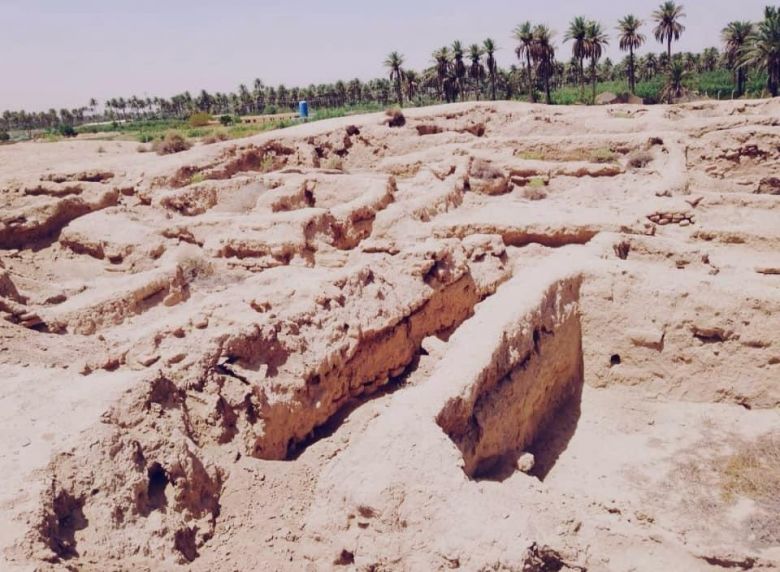
An archaeological survey in Karbala Governorate has identified 57 mounds officially registered with the Department of Antiquities in Al-Hussainiyah district. Researchers estimate that the number could rise to between 70 and 100 sites if survey operations are expanded through aerial sensing technologies and modern aircraft.
Archaeologist Hussein Yasser said the mounds are distributed along the course of the ancient Euphrates River, noting that many of Iraq’s ancient civilizations developed along riverbanks. This, he explained, helps account for the concentration of archaeological sites across the area.
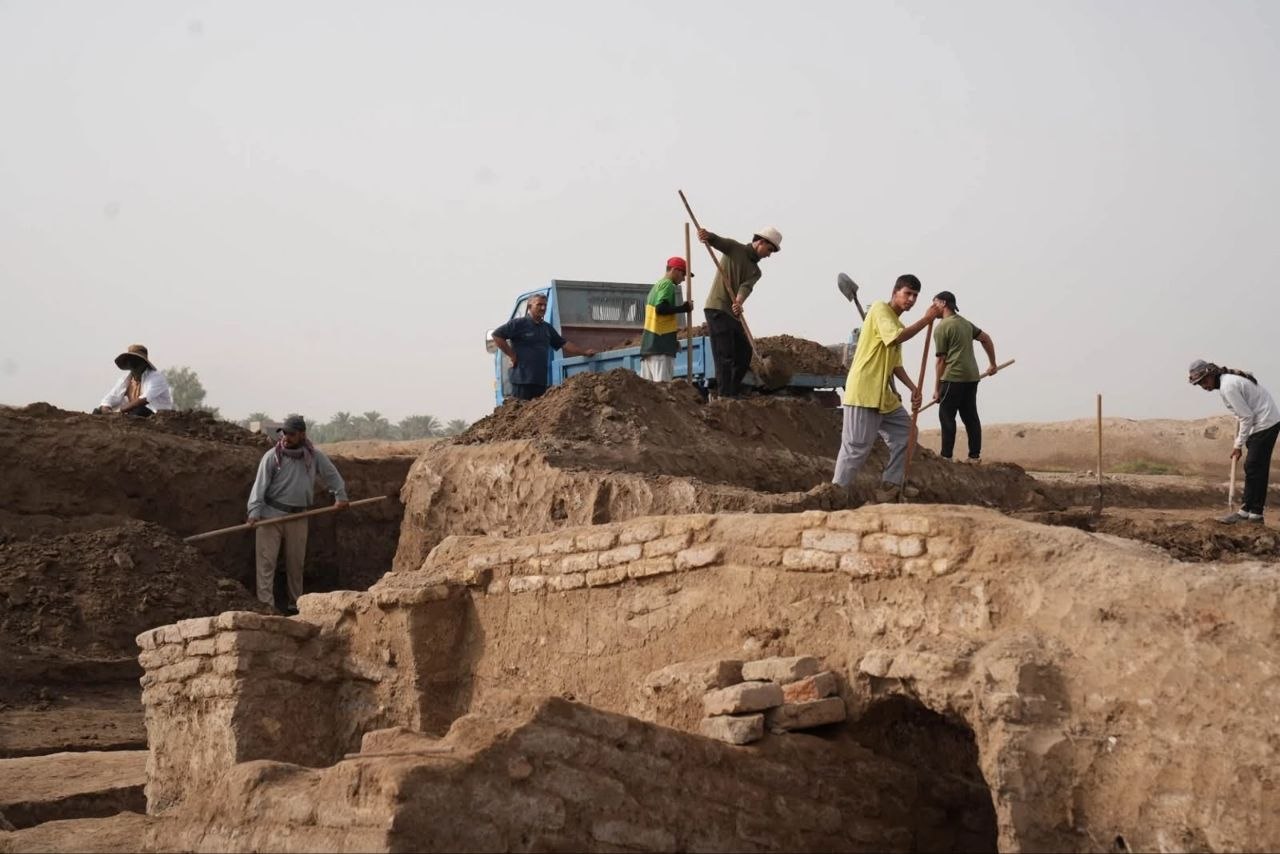
Excavations at several of the mounds have uncovered successive cultural layers spanning multiple historical periods, from the Islamic and Ottoman eras to the Parthian, Sassanid, and Babylonian periods.
Among the most prominent sites is Tell Al-Atishi, where excavations have revealed the remains of an ancient Sassanid city known as “Barusma,” along with rooms, walls, and other structures dating to the Sassanid, Parthian, and Islamic periods.
Researcher and historian Saleh Dhiyab Al-Mana' emphasized that Al-Hussainiyah district represents an important part of Karbala’s historical and cultural heritage. The district contains numerous archaeological and heritage sites, including Tell Al-Atishi, Tell Al-Jaziyah, Tell Al-Uqayr, and the ruins of Nineveh.
Al-Mana' said many of these sites have suffered from years of neglect and inadequate documentation, partly because archaeological and historical attention has traditionally focused on Karbala’s urban center. He called for research and documentation efforts to be expanded to outlying areas and remote districts.
In his book, Glimpses into the History of Al-Hussainiyah District in Karbala, Al-Mana' documented aspects of the district’s heritage, drawing on studies by Orientalists and Iraqi historians. He noted that the area contains archaeological evidence associated with the Chaldean, Babylonian, Parthian, and Sassanid civilizations.
The findings underscore the importance of expanding archaeological surveys through aerial imaging and other modern technologies. A comprehensive archaeological map of Al-Hussainiyah could help identify previously undocumented sites and provide new evidence for understanding the long and complex history of Karbala and its surrounding region.