Calgary marks ‘Islamic History Month’ in October
A new generation of youth guides tourists across Babylon, Ur, and Baghdad
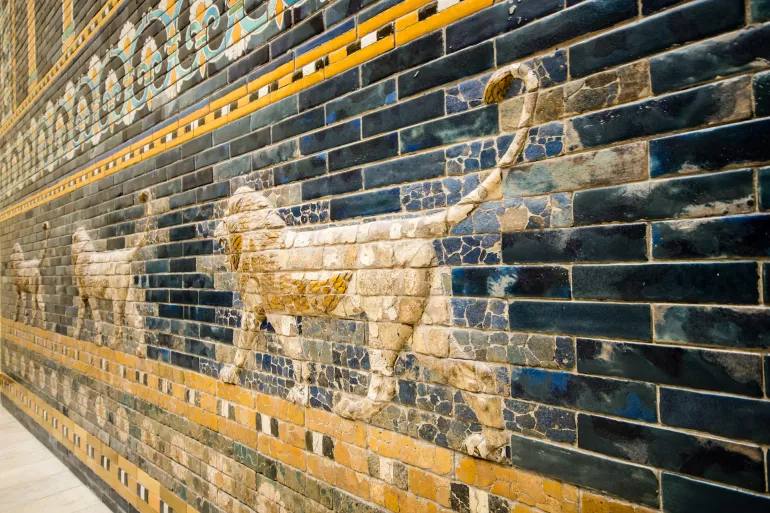
At the reconstructed Ishtar Gate in ancient Babylon, a young Iraqi guide explains the history of King Nebuchadnezzar II and the Lion of Babylon to foreign visitors in English. Scenes like this are becoming increasingly common as a new generation of multilingual Iraqi tour guides emerges at major archaeological sites in Babylon, Ur, and Baghdad.
Growing Number of English-Speaking Guides
The number of English-speaking and multilingual guides has grown significantly in 2026, supported by government efforts and international cooperation to improve tourism infrastructure and train local guides.
In Babylon, the Archaeological Guidance Unit welcomes visitors and provides historical information about the ancient city. Supervisor Mohammed Tahir Abbas said the unit brings together writers, archaeologists, and translators who use specialized guidebooks produced with local authors and the Babylon Festival of Cultures.
Tours typically begin at the Babylon Theater and Ishtar Gate, continuing past the Babylon Museum and Processional Way to the Lion of Babylon and the remains of Nebuchadnezzar’s palace. Most visitors stay in nearby Hilla, while organized tours offering transportation and guides provide another convenient option.
Expanding Tourism
The growth of cultural tourism forms part of Iraq’s broader effort to diversify its economy and reduce dependence on oil. The government has set a target of attracting one million tourists to archaeological sites over the next five years. Foreign arrivals have already increased, supported by improvements such as Iraq’s electronic visa system, which covers citizens of more than 60 countries.
Renewed Interest in Ur
In Dhi Qar Governorate, the ancient city of Ur is also attracting growing attention following restoration work on its famous Sumerian ziggurat and the discovery of more than 1,500 archaeological artifacts. The Iraqi Tourism Authority has organized visits to Ur and the nearby marshlands to promote domestic tourism and highlight the region’s historical and environmental heritage.
Foreign visitors have responded enthusiastically. Chinese tourist Victor Lu described visiting Babylon as a great honor, while Canadian tourist Tony Johnson compared the experience to traveling through time. Spanish visitor José García called his visit one of the highlights of his life.
Challenges Remain
Despite growing momentum, Iraq’s tourism sector continues to face funding and heritage-management challenges. Babylon, inscribed on the UNESCO World Heritage List in 2019, is still awaiting the implementation of allocated federal funding, according to Babylon Governor Adnan Faihan. Authorities continue working to meet the requirements for further development and preservation.
For international visitors, these young Iraqi guides are becoming an important bridge to the country’s ancient heritage, offering firsthand stories of Babylon, Ur, and the wider civilization of Mesopotamia in a language accessible to the world.